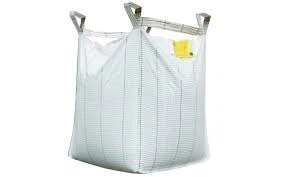
As a supplier of Anti-static Bulk Bags, I've witnessed firsthand the critical role these bags play in various industries, especially those dealing with flammable or sensitive materials. Anti-static bulk bags are designed to prevent the buildup and discharge of static electricity, which can pose significant risks such as fires, explosions, and damage to electronic components. In this blog post, I'll delve into the key factors that affect the anti-static performance of bulk bags, providing valuable insights for businesses looking to ensure safety and efficiency in their operations.
Material Composition
The material used to manufacture bulk bags is one of the most fundamental factors influencing their anti-static properties. Generally, anti-static bulk bags are made from woven polypropylene (PP) fabric, which is lightweight, durable, and cost-effective. However, not all PP fabrics are created equal when it comes to anti-static performance.
Conductive fibers are often incorporated into the PP fabric to enhance its ability to dissipate static electricity. These fibers can be made of materials such as carbon, stainless steel, or conductive polymers. When the bag comes into contact with a charged object or environment, the conductive fibers provide a path for the static charge to flow safely to the ground, preventing the buildup of static electricity on the surface of the bag.
The density and distribution of the conductive fibers also play a crucial role in determining the anti-static performance of the bag. A higher density of conductive fibers generally results in better conductivity and more effective static dissipation. Additionally, an even distribution of the fibers throughout the fabric ensures consistent anti-static performance across the entire surface of the bag.
Surface Resistance
Surface resistance is a measure of how easily an electric current can flow across the surface of a material. In the context of anti-static bulk bags, surface resistance is a key indicator of their ability to dissipate static electricity. Bags with low surface resistance allow static charges to flow freely across their surface and be safely grounded, while bags with high surface resistance tend to trap static charges, increasing the risk of electrostatic discharge (ESD).
The surface resistance of an anti-static bulk bag is typically measured in ohms per square (Ω/sq). Industry standards generally recommend a surface resistance of less than 1 x 10⁹ Ω/sq for effective anti-static performance. However, the specific surface resistance requirements may vary depending on the application and the level of static protection needed.
Several factors can affect the surface resistance of a bulk bag, including the material composition, the presence of contaminants, and the environmental conditions. For example, the surface resistance of a bag may increase if it is exposed to moisture, dust, or other contaminants, which can interfere with the conductivity of the conductive fibers. Similarly, extreme temperatures and humidity levels can also impact the surface resistance of the bag, potentially reducing its anti-static performance.
Humidity and Temperature
Humidity and temperature are two environmental factors that can have a significant impact on the anti-static performance of bulk bags. In general, higher humidity levels tend to reduce the surface resistance of materials, making it easier for static charges to dissipate. This is because water molecules in the air can act as conductors, helping to carry the static charge away from the surface of the bag.
Conversely, low humidity levels can increase the surface resistance of materials, making them more prone to static buildup. In dry environments, static charges can accumulate more easily on the surface of the bag, increasing the risk of ESD. To mitigate this risk, it may be necessary to use additional anti-static measures, such as humidifiers or anti-static sprays, to maintain a suitable humidity level in the storage or handling area.
Temperature can also affect the anti-static performance of bulk bags. Extreme temperatures can cause the conductive fibers in the bag to expand or contract, potentially altering their conductivity and reducing the effectiveness of the anti-static properties. Additionally, high temperatures can increase the volatility of flammable materials, making them more susceptible to ignition by static electricity. Therefore, it is important to store and handle anti-static bulk bags in a temperature-controlled environment to ensure optimal performance.
Bag Design and Construction
The design and construction of a bulk bag can also influence its anti-static performance. For example, the presence of seams, folds, and closures can create areas of high resistance, where static charges may accumulate. To minimize this risk, it is important to use proper stitching techniques and materials that do not interfere with the conductivity of the bag.
In addition, the shape and size of the bag can affect its anti-static performance. Bags with a large surface area or complex shapes may be more prone to static buildup, as they provide more opportunities for static charges to accumulate. Therefore, it is important to choose a bag design that is appropriate for the specific application and that minimizes the risk of static electricity.
Another important consideration is the grounding system of the bag. Anti-static bulk bags should be designed with a proper grounding mechanism to ensure that static charges can be safely dissipated to the ground. This may involve the use of conductive straps, grounding clips, or other grounding devices that are connected to a reliable grounding source.
Handling and Storage
Proper handling and storage practices are essential for maintaining the anti-static performance of bulk bags. When handling the bags, it is important to avoid rough handling or friction, which can generate static electricity. For example, dragging the bags across a rough surface or stacking them too tightly can cause friction and increase the risk of static buildup.
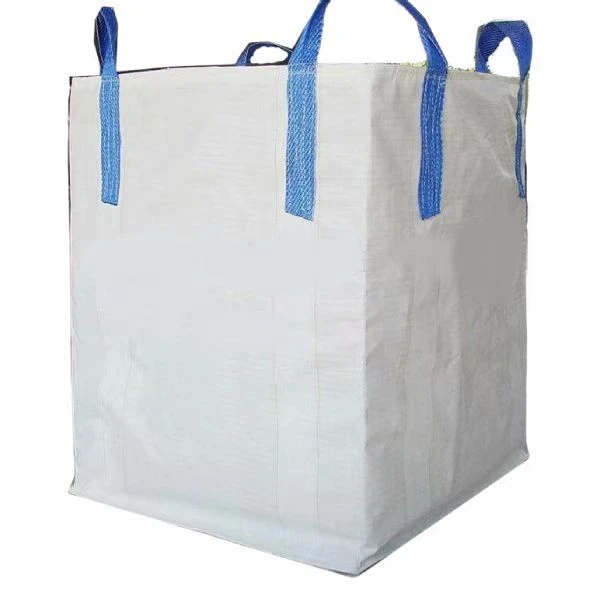

Similarly, when storing the bags, it is important to keep them in a clean, dry, and temperature-controlled environment. Avoid storing the bags in areas where they may be exposed to moisture, dust, or other contaminants, as these can interfere with the conductivity of the bag. Additionally, it is important to store the bags in a way that allows for proper ventilation and air circulation, which can help to prevent the buildup of static electricity.
Conclusion
In conclusion, the anti-static performance of bulk bags is influenced by a variety of factors, including the material composition, surface resistance, humidity and temperature, bag design and construction, and handling and storage practices. As a supplier of Anti-static Bulk Bags, I understand the importance of ensuring that our products meet the highest standards of quality and performance. By carefully considering these factors and implementing appropriate measures, businesses can minimize the risk of static electricity and ensure the safe and efficient handling of their materials.
If you're in the market for high-quality Anti-static Bulk Bags, I encourage you to [contact us] for more information. Our team of experts can help you choose the right bag for your specific application and provide you with the support and guidance you need to ensure optimal performance.
References
- ASTM D257 - Standard Test Methods for DC Resistance or Conductance of Insulating Materials
- IEC 61340 - Electrostatics - Standardization for the protection of electronic devices from electrostatic phenomena
- NFPA 77 - Recommended Practice on Static Electricity