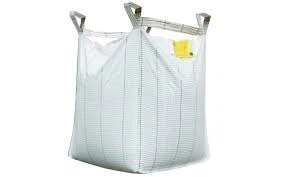
As a supplier of Conductive Bulk Bags, ensuring the quality and performance of our products is of utmost importance. One critical aspect of these bags is their conductivity, which plays a vital role in preventing static electricity buildup and minimizing the risk of electrostatic discharge (ESD). In this blog post, I'll share the methods we use to test the conductivity of Conductive Bulk Bags, providing you with insights into our quality control process.
Understanding the Importance of Conductivity in Bulk Bags
Conductive Bulk Bags are designed to safely handle and transport flammable or combustible materials. Static electricity can be generated during the filling, transporting, and discharging of these materials, which may lead to sparks and potentially cause fires or explosions. Conductive Bulk Bags Conductive Bulk Bag are made with conductive materials or have conductive threads woven into the fabric, allowing static electricity to dissipate safely to the ground. This feature makes them an essential solution for industries such as chemicals, pharmaceuticals, and food processing, where safety is a top priority.
Testing Methods for Conductive Bulk Bags
Surface Resistance Testing
Surface resistance testing is one of the most common methods used to evaluate the conductivity of Conductive Bulk Bags. This test measures the electrical resistance across the surface of the bag's fabric. A low surface resistance indicates good conductivity, meaning that static electricity can flow easily across the surface and be dissipated.
To perform a surface resistance test, we use a specialized instrument called a surface resistance meter. The meter has two electrodes that are placed on the surface of the bag at a specific distance apart. The meter then applies a small electrical voltage between the electrodes and measures the resulting current. Using Ohm's law (R = V/I), the surface resistance can be calculated.
We typically test multiple points on the bag's surface to ensure uniform conductivity. The acceptable surface resistance values for Conductive Bulk Bags are specified by international standards such as IEC 61340-4-4. Bags that meet these standards are considered safe for use in environments where static electricity is a concern.
Volume Resistance Testing
In addition to surface resistance testing, we also conduct volume resistance testing. Volume resistance measures the electrical resistance through the thickness of the bag's fabric. This test is important because it provides information about the bag's ability to conduct electricity through its entire structure, not just on the surface.


To perform a volume resistance test, we use a volume resistance meter. The meter has two electrodes that are placed on opposite sides of the bag's fabric. Similar to surface resistance testing, the meter applies a small electrical voltage and measures the resulting current to calculate the volume resistance.
Volume resistance testing helps us ensure that the Conductive Bulk Bags have consistent conductivity throughout their thickness, which is crucial for effective static dissipation. Bags with low volume resistance are better able to prevent static buildup and protect against ESD.
Static Decay Testing
Static decay testing is another important test for evaluating the conductivity of Conductive Bulk Bags. This test measures the time it takes for a static charge on the bag's surface to decay to a specified level. A shorter static decay time indicates better conductivity and faster static dissipation.
To perform a static decay test, we use a static decay tester. The tester charges the bag's surface with a known amount of static electricity and then measures the time it takes for the charge to decay to a certain percentage of its initial value. The test is usually conducted under controlled environmental conditions, as factors such as humidity and temperature can affect the static decay time.
Static decay testing provides valuable information about the bag's ability to quickly dissipate static charges, which is essential for preventing ESD events. Bags that meet the required static decay time standards are considered suitable for use in applications where static electricity needs to be controlled.
Quality Control and Assurance
At our company, we have a strict quality control process in place to ensure that all Conductive Bulk Bags meet the highest standards of conductivity. Before a batch of bags is released for sale, each bag undergoes a series of conductivity tests to verify its performance.
In addition to in-house testing, we also work with independent third-party laboratories to conduct regular audits and certification. These laboratories use advanced testing equipment and follow international standards to ensure the accuracy and reliability of the test results. By obtaining third-party certification, we can provide our customers with the confidence that our Conductive Bulk Bags meet the necessary safety requirements.
Applications of Conductive Bulk Bags
Conductive Bulk Bags are widely used in various industries where static electricity poses a risk. Some of the common applications include:
- Chemical Industry: Conductive Bulk Bags are used to transport and store flammable chemicals, such as solvents, powders, and granules. The bags' conductivity helps prevent static sparks that could ignite these materials.
- Pharmaceutical Industry: In the pharmaceutical industry, Conductive Bulk Bags are used to handle sensitive powders and ingredients. Static electricity can cause these powders to clump together or stick to the bag's surface, which can affect the quality of the final product. Conductive bags ensure that static charges are dissipated, maintaining the integrity of the materials.
- Food Processing Industry: Food Grade Bulk Bag Food Grade Bulk Bag Conductive Bulk Bags are also used in the food processing industry to transport and store food products. Static electricity can attract dust and contaminants, which can compromise the safety and quality of the food. Conductive bags help prevent static buildup, keeping the food products clean and safe.
Conclusion
Testing the conductivity of Conductive Bulk Bags is a crucial step in ensuring their safety and performance. By using a combination of surface resistance testing, volume resistance testing, and static decay testing, we can accurately evaluate the conductivity of our bags and ensure that they meet international standards.
At our company, we are committed to providing high-quality Conductive Bulk Bags that offer reliable static dissipation and protection against ESD. Our strict quality control process and third-party certification give our customers the confidence that our bags are safe and effective.
If you are in need of Conductive Bulk Bags for your business, we invite you to contact us to discuss your specific requirements. Our team of experts is ready to assist you in choosing the right bags for your application and ensuring a smooth procurement process.
References
- IEC 61340-4-4: Electrostatics - Part 4-4: Standard test methods for specific applications - Flexible intermediate bulk containers (FIBCs)
- ASTM D257: Standard Test Methods for DC Resistance or Conductance of Insulating Materials