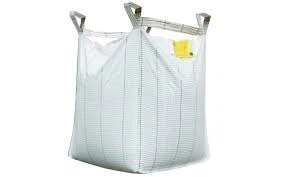
Hey there! As a supplier of Paper - plastic Composite M - fold Open Bags, I often get asked about just how strong these bags really are. So, I thought I'd take some time to break it down for you all.

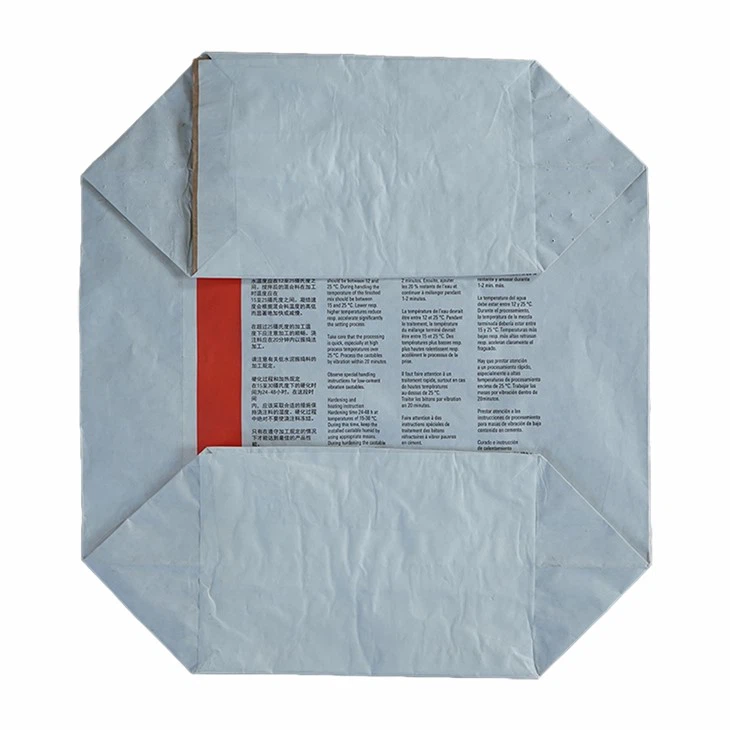
First off, let's talk about what Paper - plastic Composite M - fold Open Bags are. These bags are a combination of paper and plastic materials. The paper gives them a natural, eco - friendly look and feel, while the plastic component adds strength and durability. The M - fold design is pretty nifty too. It allows the bag to expand easily when filled, and it provides a stable structure that can hold a good amount of stuff.
The Strength of the Materials
The paper used in these bags is usually a high - quality kraft paper. Kraft paper is known for its toughness. It's made from wood pulp that has been processed in a way that gives it long, strong fibers. These fibers can withstand a fair amount of pulling and stretching without tearing. On the other hand, the plastic layer is typically a polyethylene film. Polyethylene is a widely used plastic that's known for its flexibility and resistance to moisture.
When these two materials are combined, they create a bag that's stronger than either material on its own. The paper provides a rigid structure, while the plastic fills in the gaps and prevents the paper from getting wet or damaged easily. This combination makes the bag suitable for a variety of applications, from storing dry goods like grains and powders to holding semi - wet items.
Testing the Strength
We don't just claim that our Paper - plastic Composite M - fold Open Bags are strong; we put them through rigorous testing. One of the most common tests is the tensile strength test. In this test, we pull the bag in opposite directions to see how much force it can withstand before it tears. Our bags typically have a high tensile strength, which means they can handle a lot of weight and pressure without breaking.
Another important test is the puncture resistance test. We use a sharp object to try and puncture the bag. The plastic layer in our bags acts as a barrier, making it difficult for the object to penetrate. This is especially important when the bags are used to store items with sharp edges or when they're being transported in rough conditions.
Real - World Applications
Our Paper - plastic Composite M - fold Open Bags are used in many industries. In the food industry, they're great for packaging things like flour, sugar, and coffee beans. The strong construction of the bags keeps the food fresh and protected from moisture and pests. In the chemical industry, these bags can safely hold powders and granules. The resistance to punctures and tears ensures that there are no leaks, which is crucial for safety.
In the agricultural sector, they're used to store fertilizers and seeds. The bags can handle being stacked and moved around on farms without falling apart. And in the construction industry, they can hold small building materials like nails, screws, and bolts.
Comparing with Other Bag Types
Let's compare our Paper - plastic Composite M - fold Open Bags with some other types of bags. For example, the Paper - plastic Composite Flat Valve Bag. The flat valve bag is designed for easy filling, but our M - fold open bag offers more flexibility in terms of access. You can easily see and reach the contents of the bag.
The Paper - plastic Composite Square Bottom Flat Bag is known for its stability when standing upright. However, our M - fold open bag can be more easily folded and stored when not in use.
And then there's the Paper - plastic Composite Printed Bag. While the printed bag is great for branding, our M - fold open bag focuses more on functionality and strength.
Factors Affecting Strength
There are a few factors that can affect the strength of our Paper - plastic Composite M - fold Open Bags. One is the thickness of the materials. Thicker paper and plastic layers generally mean a stronger bag. However, we also have to balance thickness with cost and weight.
The quality of the bonding between the paper and the plastic is also crucial. If the two materials aren't properly bonded, the bag can delaminate, which reduces its strength. We use advanced bonding techniques to ensure that the paper and plastic stay together tightly.
The way the bag is handled and stored also matters. If the bags are stored in a damp environment, the paper can weaken over time. And rough handling during transportation can cause small tears or punctures that may not be immediately visible but can affect the bag's overall strength.
Maintenance and Longevity
To get the most out of our Paper - plastic Composite M - fold Open Bags, it's important to follow some simple maintenance tips. Store the bags in a dry, cool place. Avoid exposing them to direct sunlight for long periods, as this can cause the plastic to degrade.
If the bags get dirty, you can wipe them clean with a damp cloth. But make sure to dry them thoroughly afterward. With proper care, these bags can last a long time, providing reliable storage and transportation solutions.
Conclusion
So, to sum it up, Paper - plastic Composite M - fold Open Bags are incredibly strong. Thanks to the combination of high - quality kraft paper and polyethylene plastic, they can withstand a lot of stress, whether it's from heavy loads, sharp objects, or rough handling.
If you're in the market for a strong, reliable packaging solution, our Paper - plastic Composite M - fold Open Bags are definitely worth considering. Whether you're in the food, chemical, agricultural, or construction industry, these bags can meet your needs.
If you're interested in learning more or want to start a procurement discussion, don't hesitate to reach out. We're always happy to talk about how our bags can work for you.
References
- "Kraft Paper: Properties and Applications" - Journal of Packaging Materials
- "Polyethylene Films: A Review of Their Characteristics" - Plastic Science Magazine
- "Testing Methods for Packaging Strength" - International Packaging Testing Association