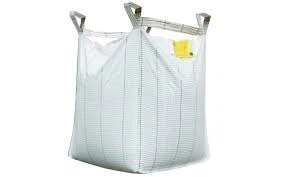
In the world of packaging, lined paper-plastic composite packaging bags have emerged as a popular choice due to their versatility, durability, and protective capabilities. As a leading supplier of Lined Paper-plastic Composite Packaging Bag, I often encounter inquiries about the anti-static properties of these bags. In this blog post, I will delve into the science behind anti-static properties, explore why they are crucial for lined paper-plastic composite packaging bags, and discuss the various methods used to achieve them.
Understanding Static Electricity
Static electricity is the result of an imbalance of electric charges within or on the surface of a material. When two materials come into contact and then separate, electrons can be transferred from one material to the other, creating a charge imbalance. This imbalance can lead to the accumulation of static electricity, which can cause a variety of problems in the packaging industry.
In the context of lined paper-plastic composite packaging bags, static electricity can be particularly problematic. It can attract dust and other particles, which can contaminate the contents of the bag. Additionally, static electricity can cause the bags to stick together, making them difficult to handle and dispense. In extreme cases, static electricity can even cause sparks, which can be a fire hazard in environments where flammable materials are present.
Why Anti-Static Properties are Important
The anti-static properties of lined paper-plastic composite packaging bags are essential for several reasons. Firstly, they help to maintain the cleanliness and integrity of the packaged products. By preventing the attraction of dust and other particles, anti-static bags ensure that the contents remain free from contamination. This is particularly important for industries such as food, pharmaceuticals, and electronics, where product purity is of the utmost importance.


Secondly, anti-static properties improve the handling and usability of the packaging bags. When bags are static-free, they are less likely to stick together, making them easier to separate, fill, and seal. This can significantly increase the efficiency of the packaging process, reducing downtime and labor costs.
Finally, anti-static properties enhance the safety of the packaging environment. By eliminating the risk of static sparks, anti-static bags reduce the likelihood of fires and explosions in hazardous environments. This is crucial for industries that deal with flammable or explosive materials, such as chemicals and petroleum.
Methods of Achieving Anti-Static Properties
There are several methods used to impart anti-static properties to lined paper-plastic composite packaging bags. These methods can be broadly categorized into two main types: surface treatment and additive incorporation.
Surface Treatment
Surface treatment involves applying an anti-static coating to the surface of the packaging bag. This coating typically contains conductive materials, such as carbon or metal particles, which help to dissipate static electricity. The coating can be applied during the manufacturing process or post-production, depending on the specific requirements of the bag.
One of the advantages of surface treatment is that it provides a quick and effective way to achieve anti-static properties. The coating can be tailored to meet the specific needs of the application, and it can be easily applied to a variety of bag materials. However, surface treatment has some limitations. The coating may wear off over time, especially if the bags are subjected to friction or abrasion. Additionally, the coating can affect the appearance and printability of the bags.
Additive Incorporation
Additive incorporation involves adding anti-static agents to the plastic or paper material during the manufacturing process. These agents are typically surfactants or conductive polymers, which help to reduce the surface resistance of the material and dissipate static electricity.
The advantage of additive incorporation is that it provides long-lasting anti-static properties. The anti-static agents are evenly distributed throughout the material, ensuring that the bags remain static-free throughout their lifespan. Additionally, additive incorporation does not affect the appearance or printability of the bags. However, this method can be more expensive than surface treatment, and it may require some adjustments to the manufacturing process.
Our Anti-Static Lined Paper-plastic Composite Packaging Bags
At our company, we offer a range of lined paper-plastic composite packaging bags with excellent anti-static properties. Our bags are designed to meet the specific needs of various industries, including food, pharmaceuticals, electronics, and chemicals.
We use a combination of surface treatment and additive incorporation to achieve optimal anti-static performance. Our surface treatment process ensures that the bags have a low surface resistance, while our additive incorporation method provides long-lasting protection against static electricity.
In addition to their anti-static properties, our lined paper-plastic composite packaging bags offer several other benefits. They are highly durable, resistant to moisture and punctures, and provide excellent barrier protection against oxygen and water vapor. Our bags are also available in a variety of sizes and styles, including Paper-plastic Composite M-fold Valve Bag and Paper-plastic Composite Flat Open Bag, to meet the diverse requirements of our customers.
Contact Us for Your Packaging Needs
If you are looking for high-quality lined paper-plastic composite packaging bags with excellent anti-static properties, look no further. Our team of experts is dedicated to providing you with the best packaging solutions for your specific needs. We offer competitive pricing, fast turnaround times, and exceptional customer service.
Whether you are a small business or a large corporation, we can help you find the perfect packaging solution for your products. Contact us today to discuss your requirements and get a free quote. We look forward to hearing from you and partnering with you to meet your packaging needs.
References
- "Static Electricity in Packaging: Causes, Effects, and Solutions." Packaging Digest.
- "Anti-Static Packaging Materials: A Guide for Manufacturers." Industrial Packaging.
- "The Science of Anti-Static Technology in Packaging." Packaging World.