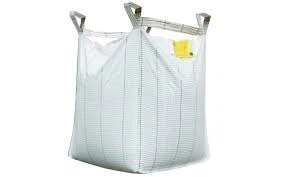
As a supplier of Top Lift Bulk Bags, I understand the importance of properly sealing these essential industrial containers. A well-sealed Top Lift Bulk Bag not only ensures the safety and integrity of the contents but also contributes to efficient handling and storage. In this blog, I will share some valuable insights on how to seal a Top Lift Bulk Bag effectively.


Understanding Top Lift Bulk Bags
Before delving into the sealing process, let's briefly understand what Top Lift Bulk Bags are. Top Lift Bulk Bags, also known as FIBCs (Flexible Intermediate Bulk Containers), are large, flexible containers designed to store and transport a wide range of dry, flowable materials such as grains, chemicals, and minerals. These bags are equipped with lifting loops at the top, which allow for easy handling using forklifts or cranes. You can find more information about Top Lift Bulk Bags on our website: Top Lift Bulk Bag.
Importance of Proper Sealing
Proper sealing of a Top Lift Bulk Bag is crucial for several reasons. Firstly, it prevents the contents from spilling or leaking during transportation and storage, which can lead to product loss, environmental contamination, and safety hazards. Secondly, a tight seal helps to maintain the quality and integrity of the contents by protecting them from moisture, dust, and other contaminants. Finally, a well-sealed bag is easier to handle and stack, which improves the efficiency of the supply chain.
Types of Seals for Top Lift Bulk Bags
There are several types of seals that can be used to close a Top Lift Bulk Bag, depending on the nature of the contents and the specific requirements of the application. Here are some common types of seals:
Sewn Seals
Sewn seals are one of the most common methods of sealing Top Lift Bulk Bags. This involves using a sewing machine to stitch the top of the bag closed. Sewn seals are strong and durable, providing a secure closure for most types of materials. However, they may not be suitable for bags that need to be reopened multiple times or for materials that require a high level of hygiene.
Heat Seals
Heat seals are created by applying heat to the top of the bag, which melts the plastic material and fuses it together. Heat seals are fast and efficient, providing a hermetic seal that is ideal for materials that need to be protected from moisture and contaminants. However, they require specialized equipment and may not be suitable for all types of bags.
Zipper Seals
Zipper seals are a convenient option for bags that need to be reopened multiple times. These seals consist of a zipper that runs along the top of the bag, allowing for easy access to the contents. Zipper seals are available in a variety of styles and sizes, and can be made from different materials such as plastic or metal.
Tie Seals
Tie seals are simple and inexpensive seals that can be used to close the top of a bag. These seals consist of a piece of string or cord that is tied around the top of the bag, creating a tight closure. Tie seals are suitable for bags that do not require a high level of security or protection.
Step-by-Step Guide to Sealing a Top Lift Bulk Bag
Now that we have discussed the different types of seals, let's look at a step-by-step guide to sealing a Top Lift Bulk Bag:
Step 1: Prepare the Bag
Before sealing the bag, make sure it is clean and free of any debris or contaminants. If the bag is being used to store food or other sensitive materials, it may need to be sterilized or sanitized first.
Step 2: Fill the Bag
Fill the bag with the desired material, making sure not to overfill it. Leave enough space at the top of the bag to allow for proper sealing.
Step 3: Choose the Right Seal
Select the type of seal that is most suitable for the contents of the bag and the specific requirements of the application. Consider factors such as the level of security, the need for repeated access, and the type of material being stored.
Step 4: Seal the Bag
Once you have chosen the right seal, follow the manufacturer's instructions to seal the bag. If you are using a sewn seal, use a sewing machine to stitch the top of the bag closed. If you are using a heat seal, use a heat sealer to apply heat to the top of the bag. If you are using a zipper seal, simply zip the zipper closed. If you are using a tie seal, tie the string or cord around the top of the bag.
Step 5: Inspect the Seal
After sealing the bag, inspect the seal to make sure it is tight and secure. Check for any signs of damage or weakness, such as holes, tears, or loose stitches. If the seal is not satisfactory, reseal the bag using the appropriate method.
Tips for Sealing Top Lift Bulk Bags
Here are some additional tips to help you seal Top Lift Bulk Bags effectively:
Use the Right Equipment
Make sure you have the right equipment for the type of seal you are using. For example, if you are using a heat seal, use a heat sealer that is designed for the thickness and type of material of the bag.
Follow the Manufacturer's Instructions
Always follow the manufacturer's instructions when using any type of seal or sealing equipment. This will help to ensure that the seal is applied correctly and that the bag is properly sealed.
Train Your Employees
If you have employees who are responsible for sealing Top Lift Bulk Bags, make sure they are properly trained on the correct sealing procedures. This will help to prevent errors and ensure that the bags are sealed correctly every time.
Test the Seals
Before using a new type of seal or sealing equipment, test it on a sample bag to make sure it is effective. This will help to identify any potential problems or issues before you start sealing a large number of bags.
Conclusion
Sealing a Top Lift Bulk Bag is an important step in the storage and transportation of dry, flowable materials. By choosing the right type of seal and following the correct sealing procedures, you can ensure that the contents of the bag are safe, secure, and protected from moisture, dust, and other contaminants. If you have any questions or need more information about sealing Top Lift Bulk Bags, please don't hesitate to contact us. We are a leading supplier of Top Lift Bulk Bags and can provide you with the products and services you need to meet your specific requirements.
References
- "Flexible Intermediate Bulk Containers (FIBCs): A Comprehensive Guide." International Safety Equipment Association.
- "Best Practices for Sealing Bulk Bags." Bulk Handling Today.