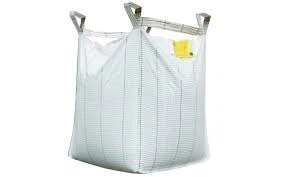
Hey there! I'm a supplier of bulk bags for process handling, and I know firsthand how big of a headache dust generation can be when using these bags. Dust not only creates a messy work environment but can also pose serious health risks to workers and cause damage to equipment. So, I'm here to share some practical tips on how to reduce dust generation when using bulk bags for process handling.
Choose the Right Bulk Bag
First things first, picking the right bulk bag is crucial. There are different types of bulk bags out there, like the Top Lift Bulk Bag and the Bottom Lift Bulk Bag. The type you choose depends on your specific process and the material you're handling.
For instance, if you're dealing with fine powders, a bag with a tight weave or a liner can help contain the dust. A coated or laminated bag can also provide an extra barrier against dust leakage. Some bulk bags come with anti-static properties, which can be really useful as static electricity can cause dust particles to stick to surfaces and float around in the air.
Proper Filling and Emptying Techniques
How you fill and empty the bulk bags matters a lot when it comes to dust control. When filling the bags, try to do it in a controlled environment. Use a filling spout that fits snugly into the bag's inlet to minimize the amount of dust that escapes. You can also use a dust collection system at the filling station to capture any dust that does get released.
When it's time to empty the bags, don't just cut them open haphazardly. Use a proper discharging system. For example, some bulk bags have a bottom discharge spout that allows for a more controlled flow of the material. If you're using a top discharge method, make sure there's a way to connect it to a dust-tight system to prevent dust from billowing out.
Sealing and Closure
A good seal is essential to keep dust from leaking out of the bulk bags. Make sure the bags are properly sealed after filling. Some bags come with drawstrings, zippers, or Velcro closures. Check these closures regularly to ensure they're in good working condition.
If you're using a liner inside the bag, make sure it's also sealed properly. A loose or torn liner can be a major source of dust leakage. You can use heat sealing or adhesive tapes to seal the liner edges.
Maintenance and Inspection
Regular maintenance and inspection of the bulk bags are a must. Check the bags for any signs of wear and tear, such as holes, tears, or frayed edges. Even a small hole can lead to significant dust leakage over time.


Inspect the lifting loops and straps as well. If they're damaged, the bag might not be handled properly, which can cause it to tear and release dust. Replace any damaged bags immediately to avoid potential dust problems.
Employee Training
Your employees play a huge role in reducing dust generation. Make sure they're trained on the proper handling, filling, emptying, and storage of bulk bags. Teach them about the importance of dust control and the potential health risks associated with dust exposure.
Provide them with the necessary personal protective equipment (PPE), such as dust masks, goggles, and gloves. Encourage them to report any issues with the bulk bags or dust generation right away.
Use of Dust Suppression Systems
In addition to the above measures, you can also use dust suppression systems in your workplace. These systems can help reduce the amount of dust in the air. There are different types of dust suppression systems available, such as misting systems, which spray a fine mist of water into the air to capture dust particles, and air filtration systems, which remove dust from the air by passing it through filters.
Storage Conditions
How you store the bulk bags can also affect dust generation. Store the bags in a clean, dry place. Avoid storing them in areas with high humidity, as this can cause the bags to deteriorate and potentially lead to dust leakage.
Make sure the bags are stacked properly. Avoid overstacking, as this can put too much pressure on the bottom bags and cause them to tear. If possible, store the bags on pallets to keep them off the ground and prevent damage.
Conclusion
Reducing dust generation when using bulk bags for process handling is a multi-faceted approach. By choosing the right bags, using proper filling and emptying techniques, ensuring good sealing, performing regular maintenance and inspection, training your employees, using dust suppression systems, and storing the bags correctly, you can significantly reduce the amount of dust in your workplace.
If you're looking for high-quality bulk bags for your process handling needs, I'd love to help. We offer a wide range of bulk bags, including the Top Lift Bulk Bag and the Bottom Lift Bulk Bag, designed to meet your specific requirements. Get in touch with us to discuss your needs and find the best solutions for your dust control challenges.
References
- Industrial Bulk Bag Association Guidelines
- OSHA Standards for Dust Control in the Workplace
- Research on Dust Suppression Techniques in Industrial Settings