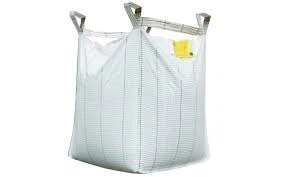
Hey there! As a supplier of paper-plastic composite packaging bags, I often get asked if these bags can be used for food packaging. Well, let's dig into this topic and find out.
First off, let's understand what paper-plastic composite packaging bags are. These bags are made by combining paper and plastic materials. The paper part usually gives the bag strength, stiffness, and a natural look, while the plastic layer provides moisture resistance, barrier properties, and can help keep the contents fresh.
Now, the big question: Can they be used for food packaging? The answer is yes, but with some important considerations.
Advantages of Using Paper - Plastic Composite Packaging Bags for Food
- Barrier Properties
- One of the main reasons paper - plastic composite bags are suitable for food is their excellent barrier properties. The plastic layer can act as a barrier against oxygen, moisture, and light. Oxygen can cause food to spoil by promoting the growth of aerobic bacteria and causing oxidation of fats and oils, which leads to rancidity. A good barrier to oxygen helps extend the shelf - life of food products. For example, snacks like chips can stay crispy for longer when packaged in these bags.
- Moisture is another enemy of many food items. If too much moisture gets into the package, it can make dry foods soggy and promote the growth of mold. The plastic layer in paper - plastic composite bags helps keep moisture out, ensuring the quality of the food inside.
- Strength and Durability
- Paper - plastic composite bags are strong and durable. They can withstand the rigors of handling during the packaging process, transportation, and storage. This is crucial for food products, as any damage to the packaging can lead to contamination or spoilage of the food. For instance, when shipping heavy food items like flour or sugar, these bags can hold up well without tearing or breaking.
- Printability
- The paper surface of these bags offers great printability. Food manufacturers can print important information such as product names, ingredients, nutritional facts, and usage instructions on the bags. This is not only a legal requirement in many countries but also helps consumers make informed choices about the food they are buying. Additionally, attractive printing can enhance the brand image and make the product more appealing on the store shelves.
Types of Paper - Plastic Composite Packaging Bags for Food
There are different types of paper - plastic composite packaging bags that are commonly used for food.
- Paper - plastic Composite M - fold Valve Bag: These bags are often used for granular or powdered food products like coffee beans, rice, or spices. The valve design allows for easy filling and sealing, and the M - fold structure provides stability during storage and transportation.
- Lined Paper - plastic Composite Packaging Bag: The lining in these bags provides an extra layer of protection. It can be customized to have specific barrier properties depending on the food product. For example, a lining with high - density polyethylene can offer better moisture resistance for products like dried fruits.
- Paper - plastic Composite Tear - open Bag: These bags are very convenient for consumers. They are easy to open, which is a plus for food products. You don't need any special tools to access the food inside. They are commonly used for single - serving food items like candy bars or small packets of nuts.
Safety Considerations
While paper - plastic composite bags can be used for food, safety is of utmost importance.


- Food - Grade Materials
- The materials used in the production of these bags must be food - grade. This means they should not contain any harmful substances that could migrate into the food. The plastic resins used should be approved by relevant food safety authorities. For example, in the United States, the Food and Drug Administration (FDA) regulates the use of plastics in food contact applications. Suppliers need to ensure that the raw materials they use meet these strict standards.
- Clean Production Environment
- The manufacturing process of these bags should take place in a clean and hygienic environment. Any contamination during production can transfer to the food when the bags are used for packaging. Factories should have proper cleaning procedures, control over dust and microorganisms, and trained staff to handle the production process.
- Proper Sealing
- A proper seal is essential to maintain the integrity of the food inside the bag. If the seal is not good, it can allow air, moisture, or contaminants to enter the package. Suppliers need to ensure that the sealing process is reliable and that the seals are tested for strength and integrity.
Applications in the Food Industry
Paper - plastic composite bags are used in a wide range of food applications.
- Bakery Products
- For bread, pastries, and cookies, these bags can keep the products fresh and protected. The barrier properties prevent the bread from going stale too quickly and keep the cookies from losing their crunch.
- Dairy Products
- Some dairy products like cheese slices or small yogurt cups can be packaged in these bags. The bags help protect the dairy products from contamination and maintain their quality.
- Frozen Foods
- Frozen fruits, vegetables, and meat can also be packed in paper - plastic composite bags. The bags can withstand low temperatures and prevent freezer burn by providing a good barrier against air and moisture.
Conclusion
So, to sum it up, paper - plastic composite packaging bags can definitely be used for food packaging. They offer many advantages in terms of barrier properties, strength, and printability. However, safety is key, and suppliers need to ensure that the bags are made from food - grade materials in a clean environment and have proper seals.
If you're in the food industry and looking for high - quality paper - plastic composite packaging bags, we're here to help. Our team has years of experience in producing these bags that meet all the necessary safety and quality standards. Whether you need Paper - plastic Composite M - fold Valve Bag, Lined Paper - plastic Composite Packaging Bag, or Paper - plastic Composite Tear - open Bag, we can provide you with the right solution. Contact us to start a discussion about your specific packaging needs and let's work together to find the best packaging for your food products.
References
- Food and Drug Administration (FDA). Regulations on food - contact materials.
- Packaging Machinery Manufacturers Institute (PMMI). Best practices for food packaging production.
- American Society for Testing and Materials (ASTM). Standards for packaging materials.