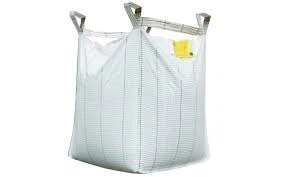
Hey there! As a supplier of Bottom Lift Bulk Bags, I've had my fair share of experiences dealing with different types of these super - useful bags. Let's dive right in and explore the various kinds of Bottom Lift Bulk Bags out there.
Standard Bottom Lift Bulk Bags
The standard Bottom Lift Bulk Bag is like the workhorse of the industry. It's designed to be lifted from the bottom, which makes it super convenient for loading and unloading. These bags are typically made from high - strength polypropylene, which is tough enough to handle heavy loads.
The design usually features a flat bottom with lifting loops attached to the lower part of the bag. This allows for easy attachment to forklifts or other lifting equipment. They come in different sizes, from small ones that can hold a few hundred pounds to large ones that can handle several tons.
One of the great things about standard Bottom Lift Bulk Bags is their versatility. They can be used to transport all sorts of materials, like grains, sand, and even some industrial chemicals. And because they're made from polypropylene, they're resistant to moisture and most chemicals, which means your goods stay safe and dry during transit. You can check out more about these bags on our Bottom Lift Bulk Bag page.
Ventilated Bottom Lift Bulk Bags
Now, if you're dealing with materials that need to breathe, then ventilated Bottom Lift Bulk Bags are the way to go. These bags have special ventilation panels or meshes built into them. This is crucial for materials like agricultural products, which can spoil if they're stored in a non - ventilated environment.
The ventilation helps to prevent the build - up of moisture and mold, keeping your goods fresh and in good condition. Just like the standard ones, they're also made from strong polypropylene, but with the added ventilation feature. They're available in different ventilation patterns and sizes, depending on your specific needs.
For example, if you're transporting freshly harvested grains, a ventilated bag will allow air to circulate, reducing the risk of spoilage. And when it comes to lifting, they work just like the standard Bottom Lift Bulk Bags, with the lifting loops at the bottom for easy handling.


Anti - Static Bottom Lift Bulk Bags
In industries where static electricity can be a real problem, anti - static Bottom Lift Bulk Bags are essential. Static electricity can cause all sorts of issues, from sparking and potentially igniting flammable materials to attracting dust and debris.
These bags are made with special anti - static materials or have anti - static coatings applied to them. This helps to dissipate static charges, keeping your workplace safe. They're commonly used in industries like the chemical and pharmaceutical sectors, where the risk of explosion or contamination due to static is high.
The design of anti - static Bottom Lift Bulk Bags is similar to the standard ones, with the bottom - lift feature for easy handling. But the anti - static properties make them a must - have for certain applications. So, if you're in an industry where static is a concern, these bags are definitely worth considering.
Food - Grade Bottom Lift Bulk Bags
When it comes to transporting food products, food - grade Bottom Lift Bulk Bags are the top choice. These bags are made from materials that meet strict food safety standards. They're designed to keep your food products safe from contamination and maintain their quality during transit.
The materials used in food - grade bags are non - toxic and free from harmful chemicals. They're also resistant to moisture and bacteria, which is crucial for food storage. Whether you're transporting grains, flour, or other food ingredients, these bags will ensure that your products arrive at their destination in perfect condition.
Just like other Bottom Lift Bulk Bags, they have the convenient bottom - lift feature, making it easy to load and unload your food products. And with their food - grade certification, you can have peace of mind knowing that you're using a safe and reliable solution.
Comparison with Top Lift Bulk Bags
It's also important to mention the difference between Bottom Lift Bulk Bags and Top Lift Bulk Bags. Top Lift Bulk Bags, as the name suggests, are lifted from the top. They have lifting loops attached to the top of the bag.
The main advantage of Bottom Lift Bulk Bags over Top Lift Bulk Bags is the stability during lifting. When you lift from the bottom, the bag is less likely to tip or sway, especially when it's fully loaded. This makes them a safer option for handling heavy and awkwardly - shaped loads.
On the other hand, Top Lift Bulk Bags are more suitable for situations where you need to stack the bags on top of each other. Since the lifting loops are at the top, the bottom of the bag is flat and can be easily stacked. So, depending on your specific application, you'll need to choose between the two.
Custom - Made Bottom Lift Bulk Bags
We also offer custom - made Bottom Lift Bulk Bags. If you have unique requirements that can't be met by our standard products, we can work with you to design and manufacture the perfect bag for your needs.
Maybe you need a specific size, a special color, or a particular type of material. We can make it happen. Our team of experts will work closely with you to understand your requirements and come up with a solution that fits your budget and specifications.
Whether it's a small - scale project or a large - scale industrial application, our custom - made Bottom Lift Bulk Bags are designed to meet your exact needs. So, don't hesitate to reach out if you think a custom - made bag is the right choice for you.
Why Choose Our Bottom Lift Bulk Bags
There are several reasons why you should choose our Bottom Lift Bulk Bags. First of all, we use only the highest - quality materials in our manufacturing process. This ensures that our bags are strong, durable, and reliable.
We also have a strict quality control system in place. Every bag is thoroughly inspected before it leaves our factory, so you can be sure that you're getting a product that meets the highest standards.
In addition, our prices are competitive. We understand that cost is an important factor for our customers, and we strive to offer the best value for money. Whether you're a small business or a large corporation, we have a solution that fits your budget.
How to Choose the Right Bottom Lift Bulk Bag
Choosing the right Bottom Lift Bulk Bag depends on several factors. First, consider the type of material you'll be transporting. If it's a food product, you'll need a food - grade bag. If it's a flammable material, an anti - static bag might be necessary.
Next, think about the size and weight of the load. Make sure the bag you choose can handle the amount of material you need to transport. You also need to consider the lifting equipment you'll be using. Make sure the lifting loops on the bag are compatible with your forklift or other lifting machinery.
Finally, if you have any special requirements, like ventilation or a custom design, don't forget to take those into account. Our team is always here to help you make the right choice, so feel free to contact us if you have any questions.
Conclusion
In conclusion, there are many different types of Bottom Lift Bulk Bags available, each with its own unique features and benefits. Whether you need a standard bag, a ventilated one, an anti - static bag, or a food - grade bag, we have a solution for you.
And if our standard products don't meet your needs, we can create a custom - made bag just for you. We're committed to providing high - quality products at competitive prices, and our team is always ready to assist you.
If you're interested in purchasing Bottom Lift Bulk Bags, we'd love to have a chat with you. Whether you're just starting to explore your options or you're ready to place an order, we're here to help. Reach out to us and let's discuss how we can meet your bulk bag needs.
References
- Industry standards for bulk bag manufacturing
- Research on the properties of polypropylene and other bag materials
- Case studies on the use of different types of bulk bags in various industries