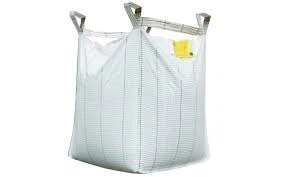
As a supplier of Anti-static Bulk Bags, I understand the importance of proper storage to maintain their performance. Anti-static Bulk Bags are designed to prevent the build-up of static electricity, which can be a significant hazard in industries dealing with flammable or combustible materials. In this blog, I will share some tips on how to store these bags effectively to ensure they continue to function as intended.
Understanding Anti-static Bulk Bags
Before delving into storage methods, it's essential to understand what Anti-static Bulk Bags are and how they work. Anti-static Bulk Bags are made from materials that have been treated or engineered to dissipate static electricity safely. This is crucial in industries such as chemicals, pharmaceuticals, and food processing, where static electricity can cause explosions, fires, or damage to sensitive electronic components.
These bags typically feature conductive threads or coatings that allow static charges to flow to the ground, preventing the accumulation of static electricity. However, improper storage can damage these conductive elements, reducing the bag's effectiveness.
Ideal Storage Conditions
The first step in maintaining the performance of Anti-static Bulk Bags is to store them in the right conditions. Here are some key factors to consider:
Temperature
Extreme temperatures can have a negative impact on the materials used in Anti-static Bulk Bags. High temperatures can cause the bags to become brittle, while low temperatures can make them stiff and less flexible. Ideally, the storage temperature should be between 10°C and 30°C (50°F and 86°F). Avoid storing the bags in areas that are exposed to direct sunlight or near heat sources such as radiators or industrial ovens.
Humidity
Humidity levels also play a crucial role in the storage of Anti-static Bulk Bags. High humidity can cause the bags to absorb moisture, which can lead to mold growth and damage the conductive elements. On the other hand, low humidity can increase the risk of static electricity build-up. Aim to maintain a relative humidity level between 40% and 60% in the storage area.
Ventilation
Proper ventilation is essential to prevent the accumulation of moisture and odors in the storage area. Ensure that the storage space is well-ventilated, with fresh air circulating regularly. This can help to maintain the integrity of the bags and prevent the growth of mold and mildew.
Cleanliness
The storage area should be clean and free from dust, dirt, and other contaminants. These particles can accumulate on the bags and interfere with the conductive properties. Regularly clean the storage area and use dust covers or protective packaging to keep the bags clean.
Storage Methods
Once you have established the ideal storage conditions, it's time to consider the best way to store the Anti-static Bulk Bags. Here are some recommended storage methods:


Stacking
Anti-static Bulk Bags can be stacked vertically, but it's important to do so carefully to avoid damaging the bags. Use pallets or racks to support the bags and ensure that the stack is stable. Avoid stacking the bags too high, as this can put excessive pressure on the lower bags and cause them to deform.
Hanging
If space allows, hanging the Anti-static Bulk Bags can be an effective storage method. This helps to prevent the bags from being crushed or damaged and allows for easy access. Use hooks or hangers that are designed for the weight and size of the bags.
Shelving
Shelving can also be used to store Anti-static Bulk Bags. Make sure the shelves are sturdy and can support the weight of the bags. Arrange the bags neatly on the shelves to prevent them from falling or getting tangled.
Handling During Storage
In addition to proper storage conditions and methods, it's important to handle the Anti-static Bulk Bags carefully during storage. Here are some tips to keep in mind:
Avoid Sharp Objects
When handling the bags, avoid contact with sharp objects such as knives, scissors, or metal edges. These can puncture or tear the bags, compromising their integrity and anti-static properties.
Use Gloves
Wearing gloves when handling the Anti-static Bulk Bags can help to prevent damage from fingerprints, oils, and other contaminants. Choose gloves that are clean and free from static electricity.
Inspect Regularly
Regularly inspect the stored bags for any signs of damage, such as tears, holes, or discoloration. If any damage is detected, remove the damaged bags from the storage area and replace them with new ones.
Conclusion
Proper storage is essential to maintain the performance of Anti-static Bulk Bags. By following the tips outlined in this blog, you can ensure that your bags remain in good condition and continue to provide effective protection against static electricity. Remember to store the bags in the right conditions, use appropriate storage methods, and handle them carefully during storage.
If you are interested in purchasing high-quality Anti-static Bulk Bags, or if you have any questions about storage or performance, please feel free to contact us. We are a leading supplier of Anti-static Bulk Bags and other functional bulk bags, including Food Grade Bulk Bags. Our team of experts is always ready to assist you with your needs.
References
- ASTM International. (20XX). Standard test methods for static decay of nonmetallic materials. ASTM D6134 - XX.
- British Plastics Federation. (20XX). Guide to the safe use of flexible intermediate bulk containers (FIBCs).
- International Electrotechnical Commission. (20XX). Safety requirements for flexible intermediate bulk containers (FIBCs) for the storage and transport of flammable solids and powders. IEC 61340 - 4 - 4.