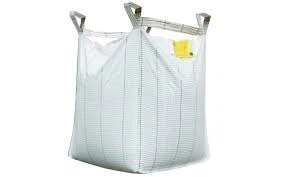
As a provider of kraft paper packaging bags, I understand the importance of ensuring that our products not only meet the highest standards of quality and durability but also protect the contents from various external factors, including insects. Insect infestations can not only damage the products inside the packaging but also lead to customer dissatisfaction and potential losses for businesses. In this blog post, I will share some effective strategies on how to prevent insects from getting into kraft paper packaging bags.
Understanding the Attraction of Insects to Kraft Paper Packaging Bags
Before we delve into the prevention methods, it's crucial to understand why insects are attracted to kraft paper packaging bags in the first place. Kraft paper is made from wood pulp, which contains cellulose and other organic materials that can be appealing to certain types of insects. Additionally, if the packaging bags are used to hold food products, the smell and residue of the food can further attract insects.
Some common insects that may be attracted to kraft paper packaging bags include: - Cockroaches: These pests are known for their ability to survive in various environments and are attracted to the organic materials in kraft paper. They can also carry bacteria and other pathogens, which can contaminate the products inside the packaging. - Beetles: Many species of beetles feed on wood and paper products. They can bore into the kraft paper, causing damage and potentially allowing other insects to enter. - Ants: Ants are attracted to food sources, and if there are any food residues in or around the packaging bags, they may be drawn to them. They can also create nests in the folds of the paper, leading to further infestations.
Prevention Strategies
1. Choose High - Quality Kraft Paper
The quality of the kraft paper used in the packaging bags plays a significant role in preventing insect infestations. High - quality kraft paper is denser and less porous than lower - quality alternatives. This means that it is more difficult for insects to penetrate the paper.
When selecting kraft paper, look for papers that have been treated with insect - repellent agents during the manufacturing process. Some manufacturers add natural or synthetic substances that deter insects from approaching or chewing on the paper. These treatments can provide an extra layer of protection for your packaging.
2. Keep the Manufacturing and Storage Environments Clean
Maintaining a clean environment in the manufacturing and storage facilities is essential for preventing insect infestations. Insects are more likely to be attracted to dirty and cluttered areas where they can find food, water, and shelter.
- Regular Cleaning: Establish a regular cleaning schedule for the manufacturing plant and storage warehouses. This includes sweeping and mopping the floors, wiping down surfaces, and removing any debris or waste. Pay special attention to areas where paper dust and food residues may accumulate, such as near cutting machines and packaging stations.
- Proper Waste Disposal: Ensure that all waste materials, including scrap paper and food waste, are disposed of properly. Use sealed containers to store waste and empty them regularly to prevent insects from being attracted to the smell.
- Pest Control Measures: Implement a comprehensive pest control program in the facilities. This may include the use of insecticides, traps, and other pest management techniques. However, it's important to use these products safely and in accordance with local regulations to avoid any negative impact on the environment and the quality of the packaging bags.
3. Seal the Packaging Bags Properly
A well - sealed packaging bag is one of the most effective ways to prevent insects from getting inside. Insects can enter through even the smallest openings, so it's crucial to ensure that the bags are sealed tightly.
- Use Appropriate Sealing Methods: Depending on the type of product being packaged, choose the most suitable sealing method. For example, heat sealing is a popular option for many food products as it creates a strong, airtight seal. Glue or tape can also be used for non - food items.
- Inspect Seals Regularly: Conduct regular inspections of the sealed bags to ensure that the seals are intact. Look for any signs of damage or weakness, such as tears or gaps, and repair or replace the bags as needed.
4. Store Packaging Bags in a Controlled Environment
The storage conditions of the kraft paper packaging bags can have a significant impact on their susceptibility to insect infestations. Storing the bags in a controlled environment can help reduce the risk of insects.
- Temperature and Humidity Control: Insects thrive in warm and humid environments. Therefore, it's important to store the packaging bags in a cool, dry place. Aim for a temperature range of 10 - 20°C (50 - 68°F) and a relative humidity of 40 - 60%. Use dehumidifiers or air - conditioning systems to maintain these conditions if necessary.
- Elevated Storage: Store the packaging bags on pallets or shelves that are elevated off the ground. This helps prevent insects from accessing the bags from the floor and also allows for better air circulation around the bags.
5. Incorporate Insect - Repellent Materials
In addition to using insect - treated kraft paper, you can also incorporate other insect - repellent materials into the packaging design.
- Natural Repellents: Some natural substances, such as essential oils, can act as insect repellents. For example, lavender, eucalyptus, and peppermint oils are known to repel many common insects. You can add a small amount of these oils to the packaging materials or use them in sachets placed inside the bags.
- Insect - Repellent Liners: Consider using insect - repellent liners inside the kraft paper packaging bags. These liners can be made from materials that release insect - repellent chemicals or have a physical barrier that prevents insects from penetrating.
6. Conduct Regular Inspections
Regular inspections of the kraft paper packaging bags, both during and after production, are essential for detecting any signs of insect infestations early.
- Visual Inspections: Train your staff to conduct visual inspections of the packaging bags for any signs of insect activity, such as holes, droppings, or live insects. Inspect the bags at different stages of the production process, including before and after filling, and during storage.
- Sampling and Testing: Periodically take samples of the packaging bags for more detailed testing. This may include using magnifying glasses or other inspection tools to look for signs of insect damage that may not be visible to the naked eye.
Conclusion
Preventing insects from getting into kraft paper packaging bags requires a comprehensive approach that involves choosing high - quality materials, maintaining a clean environment, proper sealing, controlled storage, and regular inspections. By implementing these strategies, you can ensure that your kraft paper packaging bags provide reliable protection for your products and help you maintain a good reputation with your customers.
If you are looking for high - quality kraft paper packaging bags that are designed to prevent insect infestations, I invite you to reach out to me. Our team of experts is dedicated to providing you with the best packaging solutions tailored to your specific needs. Whether you are in the food industry, retail, or any other sector that requires reliable packaging, we can work with you to develop the perfect kraft paper packaging bags. Contact us today to start a discussion about your packaging requirements and let's find the ideal solution together.
References
- "Insect Pests of Stored Products" by the Food and Agriculture Organization of the United Nations.
- "Packaging Technology and Engineering for Food Products" by Yanyun Zhao.
- "Pest Management in Food Processing Facilities" by the National Pest Management Association.