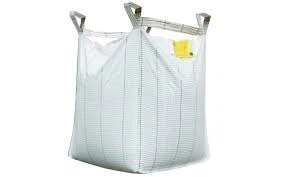
As a supplier of Conductive Bulk Bags, I understand the critical importance of proper storage to maintain their conductivity. Conductive bulk bags, also known as FIBCs (Flexible Intermediate Bulk Containers), are designed to safely handle and transport materials that are sensitive to static electricity. Their conductivity helps prevent the build-up of static charges, which can lead to dangerous situations such as explosions or fires in certain industries. In this blog, I'll share some key strategies on how to store conductive bulk bags to ensure they retain their conductivity over time.
Understanding the Basics of Conductive Bulk Bags
Before delving into storage methods, it's essential to understand how conductive bulk bags work. These bags are typically made from woven polypropylene fabric with conductive threads or coatings. The conductive elements provide a path for static electricity to dissipate safely to the ground. This is crucial when handling flammable powders, chemicals, or other materials that can generate static charges during filling, transporting, or discharging.
Storage Environment
The storage environment plays a significant role in maintaining the conductivity of bulk bags. Here are some key factors to consider:

Temperature
Extreme temperatures can have a negative impact on the conductive properties of bulk bags. High temperatures can cause the conductive elements to degrade, while low temperatures can make the fabric more brittle. It's recommended to store conductive bulk bags in a temperature-controlled environment, ideally between 10°C and 30°C (50°F and 86°F).
Humidity
Humidity levels also affect the conductivity of bulk bags. Low humidity can increase static charges, while high humidity can cause moisture to accumulate on the bags, potentially leading to corrosion of the conductive elements. Aim to maintain a relative humidity level between 40% and 60% in the storage area.

Cleanliness
The storage area should be clean and free from dust, dirt, and other contaminants. Contaminants can interfere with the conductivity of the bags and may also cause damage to the fabric. Regularly clean the storage area and ensure that the bags are kept off the floor to prevent contact with dirt and moisture.
Storage Conditions
In addition to the storage environment, the way the bags are stored can also impact their conductivity. Here are some best practices:
Stacking
When stacking conductive bulk bags, it's important to do so carefully to avoid damaging the bags or the conductive elements. Stack the bags in a stable manner, ensuring that they are not overloaded. Avoid stacking the bags too high, as this can put excessive pressure on the bottom bags and cause damage.
Separation
Keep conductive bulk bags separate from non-conductive materials. Mixing conductive and non-conductive bags can lead to static charge transfer, which can compromise the safety of the stored materials. Use dividers or separate storage areas to keep the bags apart.
Protection
Protect the bags from physical damage during storage. Avoid sharp objects or rough surfaces that could puncture or tear the bags. If possible, store the bags in a protective container or wrapper to prevent damage.
Inspection and Maintenance
Regular inspection and maintenance are essential to ensure that the conductive bulk bags retain their conductivity. Here are some steps to take:
Visual Inspection
Periodically inspect the bags for signs of damage, such as tears, holes, or frayed conductive threads. If any damage is found, the bags should be repaired or replaced immediately.
Conductivity Testing
Conduct regular conductivity tests on the bags to ensure that they are still functioning properly. There are various testing methods available, such as surface resistance testing or charge decay testing. Follow the manufacturer's recommendations for testing frequency and procedures.
Cleaning
If the bags become dirty, clean them using a mild detergent and water. Avoid using harsh chemicals or abrasive cleaners, as these can damage the conductive elements. After cleaning, allow the bags to dry completely before storing them.

Conclusion
Proper storage of conductive bulk bags is crucial to maintain their conductivity and ensure the safety of the materials they contain. By following the guidelines outlined in this blog, you can help extend the lifespan of your conductive bulk bags and prevent costly accidents. Remember to store the bags in a temperature and humidity-controlled environment, stack them carefully, keep them separate from non-conductive materials, and conduct regular inspections and maintenance.
If you're in the market for high-quality conductive bulk bags, we're here to help. We offer a wide range of Anti-static Bulk Bag that are designed to meet the highest industry standards. Our bags are available in various sizes and configurations to suit your specific needs. We also offer Food Grade Bulk Bag for applications where food safety is a concern.
If you have any questions or would like to discuss your bulk bag requirements, please don't hesitate to contact us. We're happy to provide you with more information and help you find the right solution for your business.
References
- Association of the Nonwoven Fabrics Industry (INDA). (2023). Best Practices for FIBC Storage and Handling.
- International Electrotechnical Commission (IEC). (2022). IEC 61340-4-4: Electrostatics - Part 4-4: Standard Test Methods for Specific Applications - Flexible Intermediate Bulk Containers (FIBCs).
- National Fire Protection Association (NFPA). (2021). NFPA 77: Recommended Practice on Static Electricity.