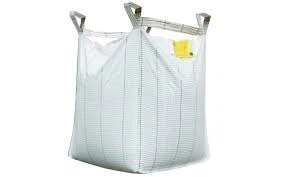
As a supplier of Anti-static Bulk Bags, I've witnessed firsthand the critical role these bags play in various industries. Anti-static bulk bags are essential for safely transporting and storing materials that are sensitive to static electricity, such as flammable powders, electronic components, and certain chemicals. In this blog, I'll share some effective strategies on how to improve the anti-static performance of bulk bags.
Understanding the Basics of Static Electricity in Bulk Bags
Before delving into the improvement methods, it's crucial to understand how static electricity is generated in bulk bags. Static electricity is created when two materials come into contact and then separate, causing an imbalance of electric charges. In the context of bulk bags, this can happen during filling, emptying, or handling processes. When materials rub against the inner surface of the bag, electrons are transferred, leading to the buildup of static charges.
If not properly managed, these static charges can cause several problems. They can attract dust and contaminants, which may compromise the quality of the stored materials. More seriously, in environments where flammable substances are present, a static spark can ignite the material, leading to fires or explosions.
Selecting the Right Materials
The choice of materials is fundamental to improving the anti-static performance of bulk bags. There are several types of materials available, each with its own anti-static properties.
Conductive Fabrics: Conductive bulk bags are made from fabrics that contain conductive fibers, such as carbon or metal filaments. These fibers provide a path for the static charges to flow, preventing the buildup of static electricity. Conductive fabrics are highly effective in dissipating static charges quickly, making them suitable for applications where a high level of anti-static protection is required. You can learn more about Conductive Bulk Bag on our website.
Anti-static Coatings: Another option is to use bulk bags with anti-static coatings. These coatings are applied to the surface of the fabric and contain chemicals that help to reduce the generation of static electricity. Anti-static coatings can be a cost-effective solution for improving the anti-static performance of bulk bags, especially for less sensitive applications.
Food Grade Materials: For industries that require food-grade products, it's important to choose bulk bags made from food-grade materials. These materials are not only safe for storing food products but also can be designed to have anti-static properties. Food Grade Bulk Bag on our website are made from high-quality, food-safe materials with appropriate anti-static features.
Design Considerations
In addition to material selection, the design of the bulk bag also plays a significant role in its anti-static performance.
Grounding Points: Bulk bags should be designed with grounding points to allow the static charges to be safely discharged to the ground. Grounding points are typically metal loops or clips that can be connected to a grounding system. By ensuring proper grounding, the risk of static buildup and subsequent sparking can be greatly reduced.
Seam Design: The seams of the bulk bag should be carefully designed to minimize the generation of static electricity. Seams that are rough or have sharp edges can cause friction, which can lead to static buildup. Smooth and well-sealed seams help to reduce friction and prevent the generation of static charges.
Shape and Size: The shape and size of the bulk bag can also affect its anti-static performance. Bags that are too large or have irregular shapes may be more prone to static buildup due to increased friction during filling and handling. Choosing the right shape and size for the specific application can help to reduce static generation.
Proper Handling and Storage
Even with the right materials and design, proper handling and storage are essential to maintain the anti-static performance of bulk bags.
Handling Procedures: During filling, emptying, and transportation, it's important to follow proper handling procedures to minimize the generation of static electricity. For example, using slow and controlled filling and emptying processes can reduce friction and prevent static buildup. Avoid dragging or rubbing the bags against rough surfaces, as this can also generate static charges.
Storage Conditions: The storage environment can also affect the anti-static performance of bulk bags. Bags should be stored in a dry and clean environment, away from sources of heat and humidity. High humidity can help to dissipate static charges, but excessive moisture can also damage the bags. It's important to find the right balance to ensure the bags remain in good condition.
Testing and Quality Control
To ensure the anti-static performance of bulk bags, regular testing and quality control are necessary.
Static Testing: There are several methods available for testing the anti-static properties of bulk bags. One common method is to measure the surface resistance of the fabric using a surface resistance meter. A lower surface resistance indicates better anti-static performance. Regular static testing can help to identify any issues with the bags and ensure that they meet the required standards.
Quality Control Checks: In addition to static testing, quality control checks should be conducted on a regular basis to ensure the overall quality of the bulk bags. This includes checking for any defects in the fabric, seams, or grounding points. By maintaining strict quality control, we can ensure that our Anti-static Bulk Bag meet the highest standards of anti-static performance.
Conclusion
Improving the anti-static performance of bulk bags is a multi-faceted process that involves selecting the right materials, designing the bags properly, following proper handling and storage procedures, and conducting regular testing and quality control. As a supplier of Anti-static Bulk Bags, we are committed to providing our customers with high-quality products that meet their specific anti-static requirements.
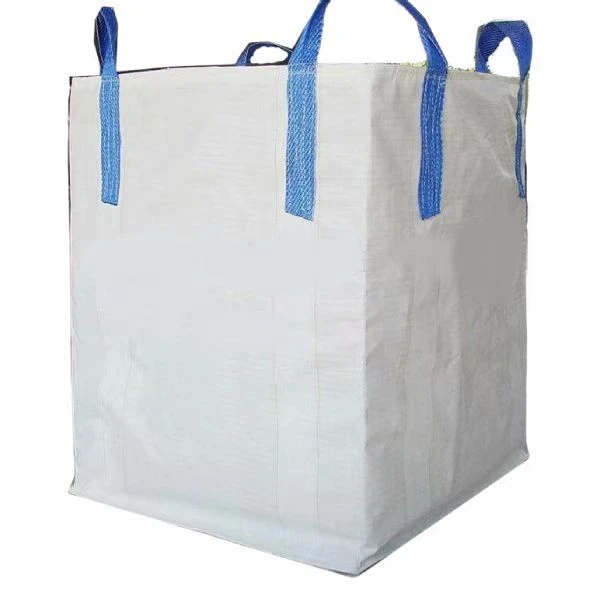

If you are interested in purchasing Anti-static Bulk Bags or have any questions about improving their anti-static performance, please feel free to contact us for further discussion. We look forward to working with you to find the best solutions for your needs.
References
- ASTM International. (20XX). Standard Test Methods for Determining Electrical Resistance of Conductive and Dissipative Rubbers and Plastics.
- National Fire Protection Association. (20XX). NFPA 77: Recommended Practice on Static Electricity.
- International Electrotechnical Commission. (20XX). IEC 61340-5-1: Electrostatics - Part 5-1: Protection of Electronic Devices from Electrostatic Phenomena - General Requirements.