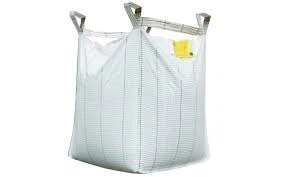
As a supplier of Paper - plastic Composite M - fold Valve Bags, ensuring the correct valve size is crucial for the functionality and performance of our products. In this blog, I'll share some key aspects on how to ensure the proper valve size for these bags.
Understanding the Function of the Valve in Paper - plastic Composite M - fold Valve Bags
The valve in a Paper - plastic Composite M - fold Valve Bag serves as the entry point for filling the bag with the product. It allows for a smooth and efficient filling process while also preventing leakage during storage and transportation. The correct valve size is essential to balance the speed of filling and the integrity of the bag. A valve that is too small may cause slow filling, leading to inefficiencies in the production line. On the other hand, a valve that is too large can result in product spillage and reduced bag strength around the valve area.
Factors Affecting the Valve Size Selection
Product Characteristics
The nature of the product to be packed is a primary factor in determining the valve size. For fine - powdered products such as flour or cement, a smaller valve size may be sufficient. These products can flow easily through a relatively narrow opening, and a smaller valve helps to prevent excessive dust emission during filling. For example, a valve with a diameter of 20 - 30 mm might be suitable for fine powders.
In contrast, granular products like fertilizers or animal feed require a larger valve size. Granules are bulkier and may not flow as freely as powders. A valve with a diameter of 40 - 50 mm or even larger may be necessary to ensure a quick and unobstructed filling process.
Filling Equipment
The type of filling equipment used also influences the valve size. Some filling machines are designed to work optimally with specific valve sizes. For instance, certain volumetric filling machines may require a valve with a particular diameter to ensure accurate dosing. Rotary filling machines, which are often used for high - speed production, may need a valve size that allows for a continuous and smooth flow of the product into the bag.
Bag Capacity
The capacity of the Paper - plastic Composite M - fold Valve Bag is another important consideration. Larger bags typically need larger valves to fill them in a reasonable amount of time. A small valve on a large - capacity bag would result in an extremely slow filling process, which is not practical for commercial production. For a 25 - kg bag, a valve size that can accommodate a sufficient flow rate to fill the bag within a few seconds is desirable.
Measuring and Specifying the Valve Size
Standard Measurements
Valve size is usually specified by its diameter or cross - sectional area. In the industry, common valve diameters range from 15 mm to 60 mm. When communicating with customers or manufacturing partners, it's important to use clear and standardized measurements. For example, instead of using vague terms like "small" or "large," state the exact diameter in millimeters.
Tolerance
It's also crucial to define the tolerance for the valve size. Manufacturing processes may have some inherent variability, so specifying an acceptable tolerance range ensures that the valve size remains within the functional limits. A typical tolerance for valve diameter might be ± 1 mm. This allows for minor variations in production while still maintaining the performance of the bag.
Quality Control in Valve Size
In - house Inspection
As a supplier, we have a rigorous in - house inspection process to ensure the correct valve size. We use precision measuring tools such as calipers to measure the valve diameter at multiple points. Samples are taken from each production batch, and at least 5 - 10% of the bags are inspected for valve size compliance. Any bags with valve sizes outside the specified tolerance range are rejected.


Third - party Testing
In addition to in - house inspection, we also engage third - party testing laboratories for independent verification. These laboratories use advanced measurement techniques and equipment to provide an objective assessment of the valve size. This third - party validation gives our customers additional confidence in the quality of our products.
Case Studies
Let's take a look at two case studies to illustrate the importance of correct valve size.
Case 1: A Cement Manufacturer
A cement manufacturer was using our Paper - plastic Composite M - fold Valve Bags with a valve diameter of 25 mm. They were experiencing slow filling times and high dust emissions during the filling process. After analyzing the situation, we recommended increasing the valve diameter to 35 mm. This change resulted in a significant reduction in filling time and a decrease in dust emissions, improving the overall efficiency of their production line.
Case 2: A Fertilizer Producer
A fertilizer producer had been using bags with a valve size that was too small for their granular product. The filling process was often interrupted due to clogging, and the production rate was low. We suggested increasing the valve diameter to 50 mm. Once the new bags with the larger valves were introduced, the filling process became smooth and continuous, and the production rate increased by 30%.
Related Products
If you are interested in other types of paper - plastic composite bags, we also offer Paper - plastic Composite Flat Valve Bag, Paper - plastic Composite Tear - open Bag, and Paper - plastic Composite Flat Open Bag. These bags are designed to meet different packaging needs and can be customized in terms of size, valve type, and other features.
Conclusion
Ensuring the correct valve size of Paper - plastic Composite M - fold Valve Bags is a multi - faceted process that involves considering product characteristics, filling equipment, and bag capacity. By carefully selecting the valve size and implementing strict quality control measures, we can provide our customers with bags that offer optimal performance in terms of filling efficiency, product protection, and overall functionality.
If you are in the market for high - quality Paper - plastic Composite M - fold Valve Bags or have any questions regarding valve size selection, we invite you to contact us for a detailed discussion. Our team of experts is ready to assist you in finding the most suitable packaging solution for your specific needs.
References
- Packaging Machinery Manufacturers Institute (PMMI). "Best Practices for Packaging Valve Bags."
- International Society of Packaging Science and Technology. "Guidelines for Valve Design in Packaging Bags."