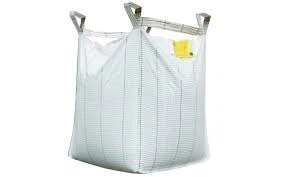
Hey there! As a supplier of Paper - plastic Composite M - fold Open Bags, I often get asked about the moisture resistance of these bags. It's a crucial question, especially when you're looking to store and transport products that are sensitive to moisture. So, let's dig into whether these Paper - plastic Composite M - fold Open Bags really have good moisture resistance.
First off, let's understand what a Paper - plastic Composite M - fold Open Bag is. It's a type of packaging bag that combines the strength of paper and the flexibility and moisture - resistant properties of plastic. The M - fold design gives it a unique shape that allows for easy filling and stacking. You can check out more about these bags here: Paper - plastic Composite M - fold Open Bag.
Now, let's talk about moisture resistance. Moisture can be a real pain in the neck for a lot of products. It can cause things like mold growth, spoilage, and degradation of the product's quality. That's why having a packaging solution with good moisture resistance is super important.
The paper part of the Paper - plastic Composite M - fold Open Bag is typically made from kraft paper, which is known for its strength and durability. However, on its own, paper isn't the best at keeping moisture out. Paper is porous, which means it can absorb moisture from the surrounding environment. That's where the plastic layer comes in.
The plastic layer in the paper - plastic composite acts as a moisture barrier. It's usually made from materials like polyethylene or polypropylene, which are known for their low water vapor transmission rates. This means that they don't let much moisture pass through them. When combined with the paper layer, the plastic layer helps to protect the contents of the bag from moisture.
To test the moisture resistance of these bags, we can look at a few different factors. One important factor is the water vapor transmission rate (WVTR). This measures how much water vapor can pass through a material over a certain period of time. A lower WVTR means better moisture resistance.
In our experience, the Paper - plastic Composite M - fold Open Bags generally have a relatively low WVTR. This is because of the plastic layer, which acts as a shield against moisture. However, the exact WVTR can vary depending on a few things, like the thickness of the plastic layer, the type of plastic used, and the quality of the paper - plastic bonding.
Another thing to consider is the seal of the bag. Even if the bag itself has good moisture - resistant properties, a poor seal can let moisture in. That's why we pay a lot of attention to the sealing process when manufacturing these bags. We use high - quality sealing techniques to ensure that the bags are tightly sealed, which helps to keep moisture out.
Let's compare the Paper - plastic Composite M - fold Open Bag with some other types of bags. For example, the Paper - plastic Composite Flat Valve Bag and the Paper - plastic Composite Flat Open Bag.
The Paper - plastic Composite Flat Valve Bag is designed for easy filling through a valve. It also has a good moisture - resistant design, similar to the M - fold Open Bag. However, the valve design might have some potential weak points in terms of moisture sealing if not properly sealed.
The Paper - plastic Composite Flat Open Bag, on the other hand, is more open - ended. While it can still have good moisture resistance due to the paper - plastic composite, it might be more vulnerable to moisture if the opening isn't properly closed or sealed.
In general, the Paper - plastic Composite M - fold Open Bag has a unique advantage in terms of moisture resistance. The M - fold design allows for a better seal compared to some other open - ended bags. When the bag is filled and sealed, the M - fold shape helps to create a more secure closure, which reduces the chances of moisture getting in.
But it's not all sunshine and rainbows. There are some situations where the moisture resistance of these bags might be challenged. For example, if the bags are exposed to extremely high humidity for a long time, or if they're stored in a wet environment. In these cases, even the best - designed moisture - resistant bag might start to let some moisture in.
Another factor to consider is the handling and storage of the bags. If the bags are roughly handled during transportation or storage, it could damage the plastic layer or the seal of the bag, which would reduce its moisture resistance. So, it's important to handle these bags with care.
So, do Paper - plastic Composite M - fold Open Bags have good moisture resistance? The answer is generally yes. The combination of the paper and plastic layers, along with the M - fold design and proper sealing, gives these bags a decent level of moisture resistance. However, it's important to remember that no bag is completely impervious to moisture, and there are factors like environment and handling that can affect their performance.
If you're in the market for a packaging solution that needs good moisture resistance, the Paper - plastic Composite M - fold Open Bag could be a great option for you. Whether you're packaging food products, chemicals, or other moisture - sensitive items, these bags can help to protect your products.


If you're interested in learning more about our Paper - plastic Composite M - fold Open Bags or have any questions about their moisture resistance, feel free to reach out to us. We're always happy to have a chat and discuss how our bags can meet your packaging needs. Let's start a conversation and see if these bags are the right fit for you!
References
- Packaging Technology textbooks
- Industry reports on paper - plastic composite materials