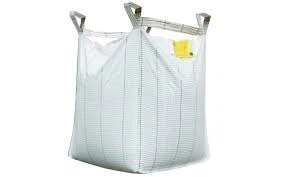
Hey there! I'm a supplier of Bottom Lift Bulk Bags, and today I wanna chat about how to properly dispose of these handy containers. Bottom Lift Bulk Bags, like the ones you can check out here, are super useful for transporting and storing all kinds of stuff, from grains to chemicals. But what do you do when you're done with them? Let's dive in.
Understanding Bottom Lift Bulk Bags
First off, let's quickly go over what Bottom Lift Bulk Bags are. These bags are designed to be lifted from the bottom, which makes them great for loading and unloading heavy or large - volume materials. They're different from Top Lift Bulk Bags, which are lifted from the top. The bottom - lift feature provides better stability during handling, especially when dealing with bulkier items.
Reasons for Disposal
There are a few reasons why you might need to dispose of a Bottom Lift Bulk Bag. Maybe the bag has reached the end of its useful life due to wear and tear. Holes, fraying, or other forms of damage can make the bag unreliable for further use. Or perhaps you've switched to a different type of packaging, and you no longer need the bags. Sometimes, regulatory requirements might also force you to dispose of the bags if they've been used to store certain hazardous materials.
Pre - Disposal Checks
Before you go ahead and toss the bag, it's important to do a few checks. First, make sure the bag is completely empty. This might seem obvious, but you'd be surprised how often there's still some residue left inside. For non - hazardous materials, you can usually just shake the bag out or use a broom to sweep out any remaining particles.
If the bag has been used to store hazardous materials, you need to be extra careful. Follow all the relevant safety protocols and regulations. You might need to use specialized cleaning equipment to remove any traces of the hazardous substance. It's also a good idea to label the bag as previously containing hazardous materials, just in case.


Disposal Methods
Recycling
Recycling is the best option if you can do it. Many Bottom Lift Bulk Bags are made from polypropylene, which is a recyclable material. There are recycling facilities that specialize in processing this type of plastic. To recycle the bags, you'll need to find a local recycling center that accepts polypropylene. Some manufacturers also offer recycling programs. They might take back the used bags and recycle them into new products.
However, not all recycling centers will accept the bags, especially if they're contaminated. If the bag has been used to store food products, for example, it might need to be thoroughly cleaned before it can be recycled. You can check with your local recycling center to see what their requirements are.
Landfill
If recycling isn't an option, landfill disposal is the next choice. But this should be a last resort. When sending the bag to a landfill, make sure it's properly compacted to save space. Also, if the bag has been used to store hazardous materials, it must be disposed of in a hazardous waste landfill. These landfills are designed to handle dangerous substances safely and prevent environmental contamination.
Incineration
In some cases, incineration can be an option. However, this is a more controversial method. When polypropylene bags are burned, they can release harmful chemicals into the atmosphere if not done correctly. If you're considering incineration, make sure it's done in a controlled environment, such as a waste - to - energy facility that has the proper emissions controls in place. And again, if the bag has been used to store hazardous materials, incineration must be done in accordance with strict regulations.
Cost Considerations
The cost of disposal can vary depending on the method you choose. Recycling is usually the most cost - effective option in the long run, as it can save on the cost of new materials. However, there might be some upfront costs, such as transportation to the recycling facility.
Landfill disposal can also be expensive, especially if you need to use a hazardous waste landfill. The fees are often based on the weight and type of waste. Incineration can be costly too, due to the need for specialized equipment and emissions controls.
Regulatory Compliance
It's crucial to comply with all local, state, and federal regulations when disposing of Bottom Lift Bulk Bags. Different regions have different rules regarding waste disposal, especially for hazardous materials. Failing to comply with these regulations can result in hefty fines and legal issues.
Make sure you're aware of the proper labeling requirements for the bags. If the bag has been used to store hazardous materials, it must be labeled correctly to indicate the nature of the previous contents. You also need to keep records of the disposal, including where the bag was sent and how it was disposed of.
Environmental Impact
Proper disposal of Bottom Lift Bulk Bags is not just about following the rules; it's also about protecting the environment. Landfill disposal takes up space and can contribute to soil and water pollution. Incineration can release greenhouse gases and other pollutants if not done properly. Recycling, on the other hand, helps conserve resources and reduce the demand for new materials.
By choosing the right disposal method, you can minimize your environmental footprint. For example, if you recycle the bags, you're reducing the amount of plastic that ends up in landfills or the ocean. And if you're using a waste - to - energy incineration facility, you're at least getting some energy out of the process instead of just burying the bags.
Tips for Reducing Disposal
If you want to reduce the amount of Bottom Lift Bulk Bag disposal, there are a few things you can do. First, try to extend the life of the bags. Regularly inspect the bags for signs of damage and make minor repairs as soon as you notice them. You can also use protective covers or liners to reduce wear and tear.
Another option is to reuse the bags. If the bag is still in good condition, you can find other uses for it. For example, you can use it to store tools or gardening supplies. Some people even repurpose the bags into DIY projects, like making tote bags or rugs.
Conclusion
Disposing of Bottom Lift Bulk Bags properly is an important part of responsible business practices. Whether it's through recycling, landfill disposal, or incineration, you need to follow the right procedures to protect the environment and comply with regulations.
If you're in the market for new Bottom Lift Bulk Bags or have any questions about their use or disposal, I'd love to help. Just reach out, and we can have a chat about your needs. I'm here to make sure you get the best products and advice.
References
- General waste management guidelines from local environmental agencies.
- Manufacturer's instructions on the use and disposal of Bottom Lift Bulk Bags.
- Industry research on the environmental impact of different disposal methods for polypropylene bags.