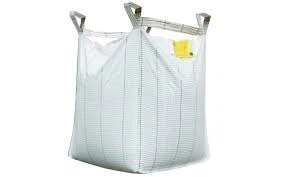
As a supplier of Multi-layer Kraft Paper Printed Bags, I often get asked about various technical aspects of our products. One of the most frequently asked questions is about the elongation at break of these bags. In this blog post, I'll delve into what elongation at break means, how it applies to multi-layer kraft paper printed bags, and why it's an important factor to consider.
Understanding Elongation at Break
Elongation at break is a fundamental mechanical property that measures the maximum amount a material can stretch before it breaks. It is usually expressed as a percentage of the original length of the material. For instance, if a strip of material with an original length of 100 mm can stretch to 150 mm before breaking, its elongation at break is 50%.
In the context of multi-layer kraft paper printed bags, elongation at break indicates how much the bag can expand under stress without tearing. This property is crucial because it directly affects the bag's durability and ability to withstand the rigors of handling, filling, and transportation.
Factors Affecting the Elongation at Break of Multi-layer Kraft Paper Printed Bags
Several factors influence the elongation at break of multi-layer kraft paper printed bags. Let's take a closer look at some of the most significant ones:
1. Type of Kraft Paper
The quality and type of kraft paper used in the bags play a vital role in determining their elongation at break. Kraft paper is made from wood pulp, and different types of wood and manufacturing processes can result in papers with varying mechanical properties. For example, softwood kraft paper generally has higher strength and elongation at break compared to hardwood kraft paper. Additionally, the thickness and density of the kraft paper also impact its stretchability. Thicker and denser papers tend to have lower elongation at break but higher tear resistance.
2. Number of Layers
As the name suggests, multi-layer kraft paper printed bags are made up of multiple layers of kraft paper. The number of layers can affect the bag's overall elongation at break. Generally, adding more layers increases the bag's strength and tear resistance but may reduce its stretchability. This is because each additional layer adds more rigidity to the bag, making it less flexible. However, the design and construction of the multi-layer structure can also influence how the layers interact with each other under stress, which in turn affects the bag's elongation at break.


3. Printing Process
The printing process used on the bags can also have an impact on their elongation at break. Some printing methods, such as flexographic printing, involve applying ink to the surface of the paper using a flexible printing plate. This process can sometimes cause the paper to become slightly stiffer, reducing its stretchability. On the other hand, digital printing, which applies ink directly to the paper without the need for a printing plate, may have less of an impact on the paper's mechanical properties.
4. Environmental Conditions
The environmental conditions in which the bags are stored and used can also affect their elongation at break. For example, high humidity can cause the kraft paper to absorb moisture, making it softer and more flexible. However, excessive moisture can also weaken the paper and reduce its strength. Conversely, low humidity can make the paper dry and brittle, increasing the risk of tearing. Temperature can also play a role, as extreme temperatures can cause the paper to expand or contract, affecting its mechanical properties.
Importance of Elongation at Break in Multi-layer Kraft Paper Printed Bags
The elongation at break of multi-layer kraft paper printed bags is important for several reasons:
1. Durability
A bag with a higher elongation at break is more likely to withstand the stresses of handling and transportation without tearing. This is especially important for bags that are used to package heavy or bulky items. For example, if a bag is filled with a large quantity of granular material, it will be subjected to significant internal pressure as the material settles. A bag with good elongation at break can stretch to accommodate this pressure without bursting.
2. Product Protection
The ability of the bag to stretch without breaking helps to protect the contents inside. If a bag tears during handling or transportation, the contents may spill out, leading to product loss and potential damage to other items. By having a sufficient elongation at break, the bag can maintain its integrity and keep the contents safe.
3. Cost Efficiency
Using bags with an appropriate elongation at break can also be cost - effective. If a bag has too low an elongation at break, it may need to be replaced more frequently due to tearing, which can increase the overall cost of packaging. On the other hand, using a bag with an excessively high elongation at break may not be necessary for all applications and can result in unnecessary expense.
Measuring the Elongation at Break of Multi-layer Kraft Paper Printed Bags
The elongation at break of multi-layer kraft paper printed bags is typically measured using a tensile testing machine. A sample of the bag is cut into a standard shape and size, and then clamped at both ends of the testing machine. The machine then applies a gradually increasing force to the sample until it breaks, while simultaneously measuring the amount of stretch. The elongation at break is calculated as the percentage increase in the length of the sample at the point of breakage compared to its original length.
Our Product Range and Elongation at Break
At our company, we offer a wide range of Multi-layer Kraft Paper Printed Bag. Our bags are carefully designed and manufactured to ensure optimal elongation at break for different applications.
We also provide Lined Multi-layer Kraft Paper Packaging Bag and Multi-layer Kraft Paper Crepe Paper Sewn Bottom Bag, which have been engineered to meet the specific needs of our customers. Our team of experts conducts regular quality control tests to ensure that all our bags meet the required standards for elongation at break and other mechanical properties.
Conclusion
In conclusion, the elongation at break of multi-layer kraft paper printed bags is a critical property that affects their durability, product protection, and cost - efficiency. By understanding the factors that influence this property and choosing the right type of bag for your application, you can ensure that your products are well - packaged and protected during handling and transportation.
If you are in the market for high - quality multi - layer kraft paper printed bags, we would be delighted to discuss your requirements. Our team of professionals can provide you with detailed information about our products and help you select the best solution for your needs. Contact us today to start the procurement negotiation process and find the perfect packaging solution for your business.
References
- ASTM D882 - 18, Standard Test Method for Tensile Properties of Thin Plastic Sheeting.
- ISO 1924 - 2:2008, Paper and board — Determination of tensile properties — Part 2: Constant rate of elongation method.