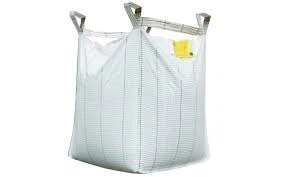
As a supplier of Conductive Bulk Bags, I often receive inquiries about the proper disposal methods for these specialized containers. Conductive Bulk Bags, also known as FIBCs (Flexible Intermediate Bulk Containers), are designed to prevent the buildup of static electricity, making them ideal for transporting and storing flammable or combustible materials. However, once these bags have served their purpose, it's crucial to dispose of them correctly to ensure environmental safety and compliance with regulations.
Understanding Conductive Bulk Bags
Before delving into the disposal methods, let's first understand the characteristics of Conductive Bulk Bags. These bags are typically made from woven polypropylene fabric with conductive threads or coatings. The conductive elements help to dissipate static electricity, reducing the risk of sparks and potential explosions. Conductive Bulk Bags are commonly used in industries such as chemicals, pharmaceuticals, food, and electronics, where the handling of sensitive materials requires strict safety measures.
You can learn more about Conductive Bulk Bags on our website: Conductive Bulk Bag.
Factors to Consider Before Disposal
Before disposing of a Conductive Bulk Bag, several factors need to be considered:
- Contents of the Bag: The type of material previously stored in the bag will determine the appropriate disposal method. If the bag contained hazardous substances, special precautions must be taken to ensure safe disposal.
- Bag Condition: The condition of the bag also plays a role in the disposal decision. If the bag is still in good condition, it may be possible to reuse or recycle it.
- Local Regulations: Different regions have different regulations regarding the disposal of industrial waste. It's essential to familiarize yourself with the local laws and regulations to ensure compliance.
Disposal Methods for Conductive Bulk Bags
There are several disposal methods available for Conductive Bulk Bags, each with its own advantages and disadvantages. Here are some common methods:
1. Recycling
Recycling is one of the most environmentally friendly ways to dispose of Conductive Bulk Bags. Many recycling facilities accept polypropylene materials, including bulk bags. Recycling not only reduces waste but also conserves natural resources.
To recycle a Conductive Bulk Bag, follow these steps:
- Clean the Bag: Remove any remaining contents from the bag and clean it thoroughly to ensure it is free of contaminants.
- Contact a Recycling Facility: Find a local recycling facility that accepts polypropylene materials. Contact them to inquire about their recycling process and requirements.
- Prepare the Bag for Recycling: Cut the bag into smaller pieces if necessary and bundle them together for easy handling.
- Drop Off the Bag: Take the bag to the recycling facility and follow their instructions for proper disposal.
Recycling Conductive Bulk Bags not only helps to protect the environment but also demonstrates your commitment to sustainability.
2. Reuse
If the Conductive Bulk Bag is still in good condition, it may be possible to reuse it. Reusing the bag reduces waste and saves money. Here are some ways to reuse a Conductive Bulk Bag:
- Store Similar Materials: If the bag previously contained a particular type of material, it can be used to store the same or similar materials in the future.
- Repurpose the Bag: Get creative and find other uses for the bag. It can be used as a storage container for tools, gardening supplies, or even as a makeshift laundry bag.
Reusing Conductive Bulk Bags is a cost-effective and environmentally friendly option.

3. Landfill Disposal
Landfill disposal is the least preferred method of disposing of Conductive Bulk Bags. However, in some cases, it may be the only option. If the bag is heavily contaminated or damaged beyond repair, landfill disposal may be necessary.
Before disposing of a Conductive Bulk Bag in a landfill, it's important to check with the local landfill to ensure they accept this type of waste. Some landfills have specific requirements for the disposal of industrial waste, such as proper packaging and labeling.
4. Incineration
Incineration is another option for disposing of Conductive Bulk Bags. Incineration involves burning the bag at high temperatures, which reduces its volume and converts it into ash. However, incineration can release harmful pollutants into the environment if not done properly.
If you choose to incinerate a Conductive Bulk Bag, make sure to use a licensed incineration facility that meets all environmental standards. Incineration should only be considered as a last resort when other disposal methods are not feasible.
Special Considerations for Food Grade Bulk Bags
If you are dealing with Food Grade Bulk Bags, additional precautions must be taken to ensure food safety. Food Grade Bulk Bags are designed to meet strict hygiene and safety standards for storing and transporting food products.
When disposing of a Food Grade Bulk Bag, follow these guidelines:
- Clean the Bag Thoroughly: Remove any remaining food particles from the bag and clean it with a food-safe detergent.
- Check for Damage: Inspect the bag for any signs of damage or contamination. If the bag is damaged, it should not be reused or recycled.
- Dispose of the Bag Properly: Follow the same disposal methods as for regular Conductive Bulk Bags, taking into account any specific regulations regarding food waste disposal.
You can also learn more about Food Grade Bulk Bags from our factory: Food Grade Bulk Bag Factory.
Conclusion
Proper disposal of Conductive Bulk Bags is essential to ensure environmental safety and compliance with regulations. By considering the contents of the bag, its condition, and local regulations, you can choose the most appropriate disposal method. Recycling and reuse are the preferred options, as they reduce waste and conserve resources. However, if these options are not feasible, landfill disposal or incineration may be necessary.
As a supplier of Conductive Bulk Bags, we are committed to providing our customers with high-quality products and guidance on proper disposal methods. If you have any questions or need further information, please feel free to contact us. We are here to help you make informed decisions and ensure the safe and responsible disposal of your bulk bags.
If you are interested in purchasing Conductive Bulk Bags or other types of bulk bags, we invite you to contact us for a quote. Our team of experts will be happy to assist you with your procurement needs.
References
- "Guide to Recycling Flexible Intermediate Bulk Containers (FIBCs)." Recycling Today.
- "Disposal of Industrial Waste: A Guide for Businesses." Environmental Protection Agency.
- "Food Grade Packaging: Regulations and Standards." Food and Drug Administration.