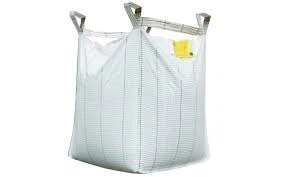
Hey there! As an anti-static bulk bag supplier, I've seen firsthand how crucial it is to understand how these bags interact with static-generating equipment. In this blog, I'll share some insights on this topic, based on my experience in the industry.
What are Anti-static Bulk Bags?
Anti-static bulk bags, also known as FIBCs (Flexible Intermediate Bulk Containers), are designed to prevent the build-up of static electricity. They're made from special materials that either dissipate static charges or prevent them from forming in the first place. These bags are used in a wide range of industries, including chemicals, pharmaceuticals, and food processing, where static electricity can pose a serious risk.
How Static Electricity is Generated in Equipment
Static electricity is generated when two materials come into contact and then separate. This can happen in many types of equipment, such as conveyors, mixers, and filling machines. When materials like powders or granules flow through these machines, they can rub against the walls of the equipment, creating a static charge.
The Interaction between Anti-static Bulk Bags and Static-generating Equipment
Dissipation of Static Charge
One of the main ways anti-static bulk bags interact with static-generating equipment is by dissipating the static charge. The conductive fibers or coatings in these bags allow the static electricity to flow safely to the ground. For example, when a powder is being filled into an anti-static bulk bag using a conveyor, the static charge generated by the powder flowing through the conveyor is transferred to the bag. The bag then dissipates this charge, preventing it from building up and potentially causing a spark.
Prevention of Static Build-up
Anti-static bulk bags can also prevent static build-up in the first place. Some bags are made from materials that have a low friction coefficient, which reduces the amount of static electricity generated when materials come into contact with the bag. This is particularly important when handling sensitive materials that can be easily affected by static electricity.
Compatibility with Equipment
It's important to ensure that the anti-static bulk bags are compatible with the static-generating equipment. For example, the size and shape of the bag should fit properly into the filling or discharging equipment. If the bag is too large or too small, it may not function effectively in dissipating the static charge. Also, the bag should be able to withstand the mechanical stresses of the equipment, such as the pressure and vibration during filling and discharging.
Types of Anti-static Bulk Bags and Their Applications
Conductive Bulk Bags
Conductive Bulk Bag are designed to have a high level of conductivity. They're typically used in industries where there is a high risk of static ignition, such as the chemical and pharmaceutical industries. These bags have a network of conductive fibers that allow the static charge to be quickly dissipated.
Food Grade Bulk Bags
Food Grade Bulk Bag are not only anti-static but also meet the strict hygiene standards for food handling. They're used in the food processing industry to store and transport food products. These bags are made from materials that are safe for contact with food and also prevent the build-up of static electricity, which could contaminate the food. You can find more about them here: Food Grade Bulk Bag
Case Studies
Let's take a look at a couple of case studies to see how anti-static bulk bags interact with static-generating equipment in real-world scenarios.
Chemical Industry
In a chemical plant, a static-generating filling machine was used to fill a flammable powder into bulk bags. Before using anti-static bulk bags, there were several instances of static sparks, which posed a significant safety risk. After switching to conductive anti-static bulk bags, the static charge was effectively dissipated, and the risk of a spark was eliminated. The bags were also able to withstand the high pressure and vibration of the filling machine, ensuring a smooth and safe filling process.


Food Processing Industry
A food processing company was experiencing issues with static electricity when filling a fine powder into bulk bags. The static charge was causing the powder to stick to the bag and the filling equipment, leading to inefficiencies and product loss. By using food grade anti-static bulk bags, the static build-up was prevented, and the powder flowed smoothly into the bags. This not only improved the efficiency of the filling process but also ensured the quality of the food product.
Tips for Using Anti-static Bulk Bags with Static-generating Equipment
Grounding
Make sure the anti-static bulk bags are properly grounded. This can be done by connecting the bag to a grounding point using a conductive strap or wire. Grounding is essential for the effective dissipation of static charge.
Regular Inspection
Regularly inspect the anti-static bulk bags for any signs of damage or wear. Damaged bags may not be able to function effectively in dissipating the static charge. Replace any damaged bags immediately.
Training
Train your employees on the proper use of anti-static bulk bags and static-generating equipment. They should understand the importance of preventing static build-up and how to handle the bags safely.
Conclusion
Understanding how anti-static bulk bags interact with static-generating equipment is crucial for ensuring the safety and efficiency of your operations. By choosing the right type of anti-static bulk bag and using it correctly, you can prevent static-related issues such as sparks, product contamination, and equipment damage.
If you're in the market for high-quality anti-static bulk bags, I'd love to help. Whether you need conductive bulk bags for a high-risk environment or food grade bulk bags for your food processing needs, I can provide you with the right solution. Contact me to start a conversation about your requirements and let's work together to find the best anti-static bulk bags for your business.
References
- "Static Electricity in the Process Industries" by Brian Jones
- "Flexible Intermediate Bulk Containers: Design, Testing, and Use" by various authors