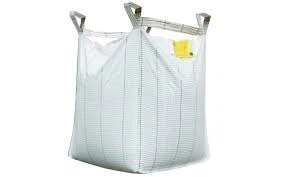
As a supplier of paper - plastic composite packaging bags, I often receive inquiries from various industries about the suitability of our products for different applications. One question that comes up quite frequently is whether paper - plastic composite packaging bags can be used for baby products. In this blog post, I'll delve into this topic, exploring the properties of paper - plastic composite packaging, the requirements for baby product packaging, and the potential of our bags in this niche market.
Properties of Paper - Plastic Composite Packaging Bags
Paper - plastic composite packaging bags are made by combining paper and plastic materials. This combination brings together the best of both worlds. Paper provides a natural, eco - friendly, and printable surface, while plastic offers durability, moisture resistance, and a barrier against oxygen and other gases.
Advantages
- Strength and Durability: The plastic layer in the composite bag enhances its strength, making it less likely to tear or puncture during handling and transportation. This is crucial for ensuring that the product inside remains protected. For example, if a baby product like a set of plastic toys is packaged in a paper - plastic composite bag, the bag can withstand the normal jostling during shipping without getting damaged.
- Moisture Resistance: Babies' products often need to be kept dry. The plastic layer in the composite bag acts as a moisture barrier, preventing water vapor from entering the bag and potentially damaging the contents. This is especially important for items like baby wipes, which can dry out if exposed to moisture in the air.
- Printability: The paper layer provides an excellent surface for printing. We can print high - quality graphics, product information, and safety instructions on the bag. For baby products, this is essential as parents need to know details about the product, such as ingredients, usage instructions, and safety warnings.
Disadvantages
- Recycling Challenges: While paper is generally recyclable, the combination of paper and plastic in the composite bag can make recycling more complicated. However, with the development of advanced recycling technologies, this issue is gradually being addressed.
- Potential Chemical Migration: There is a concern that chemicals from the plastic layer could migrate into the baby products. This is a valid concern, but as a responsible supplier, we ensure that the plastic materials we use meet strict safety standards.
Requirements for Baby Product Packaging
Baby products are subject to strict safety regulations. Packaging for these products must meet several key requirements:


Safety
- Non - Toxicity: The packaging materials must be non - toxic and free from harmful substances such as heavy metals, phthalates, and bisphenol A (BPA). These substances can pose a risk to the health of babies, who are more vulnerable to the effects of toxins.
- Child - Resistance: For certain baby products, such as medications or small parts that could be a choking hazard, the packaging should be child - resistant. This means that it is difficult for a young child to open the package without adult assistance.
Hygiene
- Barrier Protection: The packaging should provide a barrier against bacteria, dust, and other contaminants. This helps to keep the baby products clean and safe for use. For example, baby food packaging needs to prevent the entry of microorganisms that could spoil the food.
- Easy to Clean: If the packaging comes into contact with the baby or baby products, it should be easy to clean. This reduces the risk of bacteria growth on the surface of the bag.
Information Provision
- Clear Labeling: The packaging should have clear and accurate labeling, including product name, ingredients, usage instructions, and safety warnings. This information is essential for parents to make informed decisions about the products they are buying for their babies.
Can Paper - Plastic Composite Packaging Bags Meet These Requirements?
Safety
We use high - quality, food - grade plastic materials in our paper - plastic composite packaging bags. These materials are tested to ensure that they are non - toxic and do not contain harmful substances. For example, the plastic layer in our bags is BPA - free, which is a major concern when it comes to baby products. In addition, we can design child - resistant closures for bags that need them, such as those used for baby medications.
Hygiene
The plastic layer in the composite bag provides an effective barrier against bacteria and dust. It is also relatively easy to wipe clean, which helps to maintain hygiene. For baby food products, we can use additional sealing techniques to ensure that the bag is airtight and prevents the entry of contaminants.
Information Provision
As mentioned earlier, the paper layer in our bags offers excellent printability. We can print all the necessary information on the bag, including detailed product descriptions, ingredient lists, and safety warnings. This ensures that parents have all the information they need at a glance.
Types of Paper - Plastic Composite Packaging Bags for Baby Products
Paper - plastic Composite Flat Open Bag
This type of bag is suitable for a variety of baby products, such as baby clothes and small toys. The flat open design makes it easy to insert and remove the products. The high - strength and moisture - resistant properties of the bag ensure that the contents remain protected.
Paper - plastic Composite Flat Open Bag
Similar to the previous one, this bag is also a great option for baby products. It can be customized with different sizes and printing options to meet the specific needs of baby product manufacturers.
Lined Paper - plastic Composite Packaging Bag
The lined design of this bag provides an extra layer of protection. It is especially suitable for products that require more moisture resistance, such as baby wipes. The lining can also enhance the barrier against oxygen, which is important for products that are sensitive to oxidation.
Conclusion
In conclusion, paper - plastic composite packaging bags have the potential to be used for baby products. They offer a combination of strength, moisture resistance, printability, and safety features that meet many of the requirements for baby product packaging. As a supplier, we are committed to ensuring that our bags meet the highest safety and quality standards.
If you are a baby product manufacturer or distributor and are interested in using our paper - plastic composite packaging bags, we would be delighted to discuss your specific needs. Our team of experts can provide you with customized solutions and answer any questions you may have. Contact us to start a procurement negotiation and find the perfect packaging solution for your baby products.
References
- "Packaging Materials for Food and Beverages: Properties, Functionality, and Sustainability" by S. S. H. Rizvi
- "Food Packaging: Principles and Practice" by Carol A. Roberts, Andrew A. Goddard, and John M. Banks