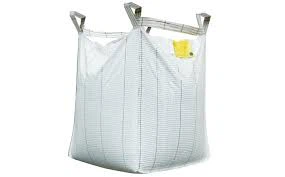
As a supplier of Paper - plastic Composite M - fold Valve Bags, I often encounter inquiries from customers regarding the performance of our products in various environments. Among these inquiries, a common question is whether our Paper - plastic Composite M - fold Valve Bags can be used in low - temperature environments. In this blog, I will delve into this topic, exploring the properties of these bags, the challenges posed by low temperatures, and the suitability of our products for such conditions.
Understanding Paper - plastic Composite M - fold Valve Bags
Paper - plastic Composite M - fold Valve Bags are a type of packaging solution that combines the advantages of paper and plastic materials. The paper layer provides strength, printability, and a natural appearance, while the plastic layer offers moisture resistance, barrier properties, and durability. The M - fold design allows the bag to expand and fill easily, making it suitable for a wide range of applications, such as packaging powders, granules, and flakes. The valve opening enables efficient filling and seals automatically after filling, reducing the risk of leakage.
Properties of the Materials
The paper component in our Paper - plastic Composite M - fold Valve Bags is typically made of high - quality kraft paper, which is known for its strength and tear resistance. Kraft paper is derived from wood pulp and has a natural fibrous structure that gives it excellent mechanical properties. The plastic layer, on the other hand, can be made of various polymers, such as polyethylene (PE) or polypropylene (PP). These plastics offer good chemical resistance, low moisture vapor transmission rate, and flexibility.
Advantages in Normal Environments
In normal environmental conditions, Paper - plastic Composite M - fold Valve Bags offer several advantages. They are lightweight, which reduces transportation costs. The combination of paper and plastic provides a good balance between strength and flexibility, allowing the bags to withstand handling and storage without significant damage. The valve design ensures a clean and efficient filling process, and the bags can be customized with printing for branding and product information.
Challenges of Low - Temperature Environments
Low - temperature environments present several challenges for packaging materials. As the temperature drops, the physical and mechanical properties of both paper and plastic can change significantly.
Effects on Paper
Paper is a hygroscopic material, which means it can absorb and release moisture depending on the surrounding environment. In low - temperature conditions, the moisture in the paper can freeze, causing the paper to become brittle. This brittleness increases the risk of cracking and tearing during handling, such as when the bags are filled, stacked, or transported. Additionally, the paper's strength and stiffness can be affected by the low temperature, reducing its ability to withstand mechanical stresses.
Effects on Plastic
Plastic materials also experience changes in their properties at low temperatures. Most polymers, including PE and PP, become more rigid and less flexible as the temperature decreases. This increased rigidity can lead to a loss of seal integrity in the valve area, as the plastic may not be able to conform to the shape of the filling equipment or the product inside the bag. Furthermore, the reduced flexibility can make the bags more prone to cracking, especially if they are subjected to sudden impacts or bending.
Suitability of Paper - plastic Composite M - fold Valve Bags in Low - Temperature Environments
Our Product's Design and Adaptability
At our company, we have taken several measures to ensure that our Paper - plastic Composite M - fold Valve Bags can perform well in low - temperature environments. Firstly, we carefully select the materials used in the bags. The kraft paper we use is treated to enhance its resistance to moisture and low - temperature brittleness. Special additives are incorporated into the paper pulp during the manufacturing process to improve its flexibility and toughness at low temperatures.
For the plastic layer, we choose polymers with good low - temperature performance characteristics. Modified PE or PP grades are used, which maintain their flexibility and sealability even at sub - zero temperatures. The thickness and composition of the plastic layer are optimized to provide the best balance of barrier properties and mechanical strength in cold conditions.
Testing and Quality Assurance
We conduct rigorous testing on our Paper - plastic Composite M - fold Valve Bags in simulated low - temperature environments. These tests include measuring the bags' tensile strength, tear resistance, and seal integrity at different low temperatures. We also simulate handling processes, such as filling and stacking, to ensure that the bags can withstand the stresses they will encounter in real - world applications.
Based on our testing results, our Paper - plastic Composite M - fold Valve Bags have shown excellent performance in low - temperature environments. They maintain their structural integrity, and the valve seal remains intact, preventing product leakage. The bags can be filled and handled without significant damage, even at temperatures as low as - 20°C.
Comparison with Other Packaging Options
In addition to Paper - plastic Composite M - fold Valve Bags, we also offer other types of paper - plastic composite packaging solutions, such as Paper - plastic Composite Flat Open Bag, Paper - plastic Composite Crepe Paper Sewn Bottom Bag, and Lined Paper - plastic Composite Packaging Bag. Each of these packaging options has its own advantages and disadvantages in low - temperature environments.
Paper - plastic Composite Flat Open Bag
The Paper - plastic Composite Flat Open Bag is a simple and cost - effective packaging solution. However, in low - temperature environments, the open - top design may make it more susceptible to moisture ingress and product contamination. The flat shape may also make it less stable during handling compared to the M - fold valve bags.
Paper - plastic Composite Crepe Paper Sewn Bottom Bag
The crepe paper in this type of bag provides some additional flexibility, which can be beneficial in low - temperature conditions. However, the sewn bottom may be a weak point, as the stitching can be affected by the low temperature and mechanical stresses. The bag may also require more care during filling to ensure that the product does not leak through the seams.
Lined Paper - plastic Composite Packaging Bag
The lined bag offers better moisture barrier properties compared to the other options. However, the liner may become more rigid at low temperatures, which can affect the overall flexibility of the bag. Additionally, the liner may delaminate from the paper layer if the temperature changes rapidly.
Overall, our Paper - plastic Composite M - fold Valve Bags are a more suitable choice for low - temperature environments due to their design and material properties, which provide better protection for the product and resistance to the challenges posed by cold temperatures.


Conclusion and Call to Action
In conclusion, our Paper - plastic Composite M - fold Valve Bags are well - suited for use in low - temperature environments. Through careful material selection, design optimization, and rigorous testing, we have ensured that our bags can maintain their performance and integrity even in cold conditions.
If you are looking for a reliable packaging solution for your products in low - temperature environments, we invite you to contact us to discuss your specific requirements. Our team of experts is ready to provide you with detailed information, samples, and customized solutions. We are committed to delivering high - quality Paper - plastic Composite M - fold Valve Bags that meet your needs and exceed your expectations.
References
- ASTM International. (n.d.). Standards related to packaging materials and their performance in low - temperature conditions.
- TAPPI (Technical Association of the Pulp and Paper Industry). (n.d.). Research on the properties of kraft paper and its performance in different environments.
- Polymer Science textbooks: For information on the behavior of plastics at low temperatures.