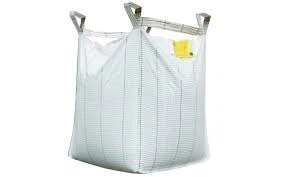
As a supplier of Paper-plastic Composite Flat Open Bags, I understand the importance of proper storage conditions to maintain the quality and integrity of these bags. In this blog post, I will share some key factors to consider when storing Paper-plastic Composite Flat Open Bags.
Temperature and Humidity
One of the most critical aspects of storing Paper-plastic Composite Flat Open Bags is controlling the temperature and humidity levels in the storage area. Paper is a hygroscopic material, which means it can absorb and release moisture depending on the surrounding environment. Excessive moisture can cause the paper layer of the composite bag to become weak, brittle, or even moldy, while extremely dry conditions can lead to cracking and splitting.
Ideally, the storage temperature should be maintained between 10°C and 30°C (50°F and 86°F). This temperature range helps to prevent the materials from expanding or contracting too much, which could damage the bag's structure. Humidity levels should be kept between 40% and 60%. Using a dehumidifier or humidifier in the storage area can help to regulate the humidity and ensure a stable environment for the bags.
Ventilation
Good ventilation is essential for storing Paper-plastic Composite Flat Open Bags. Proper air circulation helps to prevent the buildup of moisture, odors, and harmful gases, which can all have a negative impact on the bags. A well-ventilated storage area allows fresh air to flow through, reducing the risk of mold growth and keeping the bags in good condition.
Make sure the storage facility has adequate ventilation systems, such as vents, fans, or air conditioning units. Avoid storing the bags in enclosed spaces or areas with poor air circulation, as this can trap moisture and create a breeding ground for mold and bacteria.
Protection from Light
Prolonged exposure to direct sunlight or artificial light can cause the colors of the Paper-plastic Composite Flat Open Bags to fade and the materials to degrade over time. Ultraviolet (UV) rays in sunlight can break down the chemical bonds in the plastic and paper layers, weakening the bag's structure and reducing its strength.
To protect the bags from light, store them in a dark or shaded area. If possible, use opaque storage containers or cover the bags with a light-blocking material, such as a tarp or cardboard. This will help to shield the bags from UV rays and extend their lifespan.


Avoidance of Physical Damage
Paper-plastic Composite Flat Open Bags should be stored in a way that minimizes the risk of physical damage. Avoid stacking heavy objects on top of the bags, as this can cause them to deform or tear. Use pallets or shelves to store the bags in an organized manner, ensuring that they are not overcrowded or compressed.
When handling the bags, be careful not to drag or scrape them against rough surfaces, as this can scratch or puncture the material. Use appropriate lifting equipment, such as forklifts or pallet jacks, to move the bags safely and prevent any accidental damage.
Protection from Chemicals and Contaminants
Keep the Paper-plastic Composite Flat Open Bags away from chemicals, solvents, and other contaminants that could damage the materials. Chemicals can react with the plastic or paper layers, causing discoloration, corrosion, or weakening of the bag.
Store the bags in a clean and dry area, away from sources of chemicals, such as cleaning agents, pesticides, or industrial solvents. If the bags come into contact with any chemicals, clean them immediately with a mild detergent and water to prevent any long-term damage.
Stacking and Storage Arrangement
Proper stacking and storage arrangement are important for maintaining the shape and integrity of the Paper-plastic Composite Flat Open Bags. When stacking the bags, make sure they are aligned properly and stacked evenly to prevent them from toppling over. Avoid stacking the bags too high, as this can put excessive pressure on the bottom bags and cause them to deform.
Use a first-in, first-out (FIFO) inventory management system to ensure that the oldest bags are used first. This helps to prevent the bags from sitting in storage for too long and reduces the risk of damage or degradation.
Monitoring and Inspection
Regular monitoring and inspection of the stored Paper-plastic Composite Flat Open Bags are crucial to detect any signs of damage or deterioration early on. Check the bags periodically for signs of mold, mildew, discoloration, or physical damage. If any issues are found, take appropriate action immediately, such as removing the damaged bags from the storage area or treating the affected bags to prevent further damage.
Keep a record of the storage conditions, including temperature, humidity, and ventilation, as well as any inspections or maintenance activities. This documentation can help you to identify trends and potential problems, allowing you to make adjustments to the storage conditions as needed.
Comparison with Other Bag Types
In addition to Paper-plastic Composite Flat Open Bags, we also offer Paper-plastic Composite Flat Valve Bag and Paper-plastic Composite Square Bottom M-fold Bag. While the basic storage principles are similar for all these bag types, there are some differences to consider.
Paper-plastic Composite Flat Valve Bags have a valve opening for filling, which requires special attention during storage to ensure the valve remains clean and unobstructed. Paper-plastic Composite Square Bottom M-fold Bags have a unique square bottom design, which may require more careful stacking to maintain their shape.
By understanding the specific storage requirements of each bag type, you can ensure that all your packaging products are stored properly and remain in good condition until they are ready to be used.
Conclusion
Proper storage conditions are essential for maintaining the quality and performance of Paper-plastic Composite Flat Open Bags. By controlling the temperature, humidity, ventilation, light exposure, and protecting the bags from physical damage and contaminants, you can ensure that the bags remain in good condition and meet your customers' expectations.
As a supplier of Paper-plastic Composite Flat Open Bags, I am committed to providing high-quality products and helping our customers with their packaging needs. If you have any questions about storing our bags or would like to discuss your specific requirements, please feel free to contact us. We look forward to working with you to find the best packaging solutions for your business.
References
- Packaging Machinery Manufacturers Institute. (2023). Best Practices for Packaging Material Storage.
- International Safe Transit Association. (2023). Guidelines for the Storage and Handling of Packaging Materials.
- American Society for Testing and Materials (ASTM). (2023). Standards for Packaging and Distribution Environments.