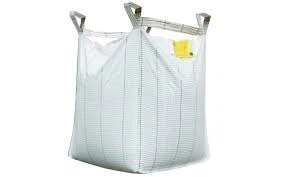
Lined paper-plastic composite packaging bags are a popular choice in the packaging industry, offering a blend of the strength and printability of paper with the moisture resistance and durability of plastic. As a supplier of these innovative packaging solutions, I often receive inquiries about their suitability for various applications, including textile products. In this blog post, I'll explore the potential of lined paper-plastic composite packaging bags for textile items, weighing the advantages and considerations to help you make an informed decision for your packaging needs.
Advantages of Using Lined Paper - Plastic Composite Packaging Bags for Textiles
Protection Against Moisture and Dust
One of the primary concerns when packaging textiles is protecting them from moisture and dust. Textiles are susceptible to damage from humidity, which can lead to mold growth, discoloration, and a loss of fabric integrity. The plastic lining in paper - plastic composite bags acts as a barrier, preventing moisture from seeping in and keeping the textiles dry. Additionally, the paper outer layer provides a physical shield against dust and dirt, ensuring that the products inside remain clean and presentable.
Printability and Branding
Paper offers excellent printability, allowing for high - quality graphics, logos, and product information to be printed directly on the packaging. This is a significant advantage for textile brands looking to enhance their brand visibility and create a memorable unboxing experience for their customers. Whether it's a luxury fashion label or a mass - market textile retailer, the ability to print vibrant colors and detailed designs on the packaging can help differentiate the product on the shelves.
Strength and Durability
The combination of paper and plastic results in a packaging bag that is stronger and more durable than traditional paper bags. This is especially important for textiles, which can be bulky and heavy, depending on the type and quantity. The plastic lining reinforces the paper, preventing tears and punctures during handling, transportation, and storage. As a result, the textiles are less likely to be damaged, reducing the risk of returns and customer dissatisfaction.
Environmental Considerations
In recent years, there has been a growing demand for sustainable packaging solutions. Lined paper - plastic composite bags can be a more environmentally friendly option compared to pure plastic bags. Paper is a renewable resource, and many paper used in these bags is sourced from sustainably managed forests. Additionally, some paper - plastic composite bags are designed to be recyclable, further reducing their environmental impact.
Types of Lined Paper - Plastic Composite Packaging Bags for Textiles
Paper - plastic Composite M - fold Open Bag
This type of bag is characterized by its M - fold design, which provides a wide opening for easy insertion and removal of textile products. The open - top design makes it suitable for displaying the textiles, making it a popular choice for retail environments. The M - fold also gives the bag a more structured appearance, enhancing its aesthetic appeal.
Paper - plastic Composite Crepe Paper Sewn Bottom Bag
The crepe paper sewn bottom bag offers a unique combination of style and functionality. The crepe paper adds a touch of elegance, while the sewn bottom provides extra strength and stability. This type of bag is ideal for packaging delicate or high - end textiles, such as silk scarves or lingerie, as it offers a soft and protective environment.
Paper - plastic Composite Square Bottom Flat Bag
The square bottom flat bag is a practical choice for packaging larger textile items, such as blankets or bedsheets. The square bottom design allows the bag to stand upright, making it easier to store and display. The flat shape also maximizes the use of space, reducing shipping costs and storage requirements.
Considerations When Using Lined Paper - Plastic Composite Packaging Bags for Textiles
Compatibility with Textile Materials
While lined paper - plastic composite bags offer many benefits, it's important to consider the compatibility of the packaging with the specific textile materials. Some plastics may react with certain fibers, causing discoloration or damage over time. It's essential to conduct compatibility tests before using the bags to ensure that the textiles remain in good condition.
Cost
Compared to traditional paper bags, lined paper - plastic composite bags may be more expensive. The cost of the plastic lining and the manufacturing process contribute to the higher price. However, it's important to weigh the cost against the benefits, such as improved protection and branding opportunities. In many cases, the added value provided by the composite bags can justify the higher cost.
Recycling and Disposal
Although some paper - plastic composite bags are recyclable, the recycling process can be more complex than that of single - material bags. The separation of paper and plastic may require specialized equipment, and not all recycling facilities are equipped to handle these types of bags. It's important to educate customers about the proper recycling methods and provide clear instructions on the packaging.
Conclusion
Lined paper - plastic composite packaging bags offer a range of benefits for textile products, including protection against moisture and dust, excellent printability, strength, and durability. With different types of bags available, such as Paper - plastic Composite M - fold Open Bag, Paper - plastic Composite Crepe Paper Sewn Bottom Bag, and Paper - plastic Composite Square Bottom Flat Bag, there is a suitable option for every type of textile product.
However, it's important to consider factors such as compatibility with textile materials, cost, and recycling requirements. By carefully evaluating these aspects, textile manufacturers and retailers can make an informed decision about whether lined paper - plastic composite packaging bags are the right choice for their products.
If you're interested in learning more about our lined paper - plastic composite packaging bags for textile products or would like to discuss your specific packaging needs, please feel free to reach out. We're here to help you find the best packaging solution for your business.


References
- Packaging World. (2023). The Future of Sustainable Packaging.
- Textile World. (2023). Trends in Textile Packaging.
- Environmental Protection Agency. (2023). Guidelines for Packaging Recycling.