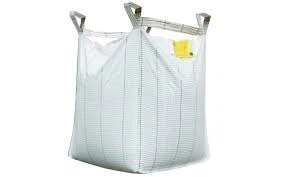
Hey there! As a supplier of paper - plastic composite packaging bags, I've seen firsthand the importance of durability in these products. Whether it's for shipping goods, storing food, or protecting industrial items, a durable packaging bag can save you a lot of headaches and money in the long run. So, let's dive into some practical ways to increase the durability of paper - plastic composite packaging bags.
1. Material Selection
The first step in creating a durable paper - plastic composite packaging bag is choosing the right materials. The paper component should be thick and strong. Kraft paper is a popular choice because it's made from wood pulp and has high tensile strength. It can withstand a fair amount of stress without tearing.
On the plastic side, polyethylene (PE) is a go - to option. It's flexible, water - resistant, and has good chemical resistance. Different densities of PE can be used depending on the specific requirements. For example, high - density polyethylene (HDPE) is more rigid and offers better puncture resistance, while low - density polyethylene (LDPE) is more flexible and can conform to the shape of the contents.
When combining the paper and plastic, the lamination process is crucial. A strong adhesive should be used to ensure that the two materials bond well. If the lamination is weak, the paper and plastic can separate over time, reducing the bag's durability.
2. Structural Design
The design of the bag also plays a significant role in its durability. For instance, the shape of the bag can affect how it distributes stress. Bags with rounded corners are generally more durable than those with sharp corners because sharp corners are more likely to tear under stress.
Another important aspect is the type of closure. A well - designed closure can prevent the contents from spilling out and also protect the bag from external damage. For example, a zipper closure provides a tight seal and can be opened and closed multiple times without losing its effectiveness.
Let's talk about different types of paper - plastic composite packaging bags we offer. We have the Paper - plastic Composite Flat Open Bag. This bag is great for products that need to be easily accessible. Its flat design makes it stackable, which is convenient for storage and transportation.
Then there's the Paper - plastic Composite Tear - open Bag. This bag is designed for easy opening, which is ideal for consumer products. The tear - open feature is engineered in a way that doesn't compromise the bag's overall durability.


And we also have the Paper - plastic Composite Flat Valve Bag. This type of bag is commonly used for powdered or granular products. The valve design allows for efficient filling and a tight seal, which helps to keep the contents fresh and protected.
3. Reinforcement
Adding reinforcements to the bag can significantly increase its durability. One common way is to add a layer of woven fabric between the paper and plastic. Woven fabrics, such as polypropylene (PP) woven fabric, are strong and can provide additional support. They can help the bag withstand more weight and resist punctures.
Another option is to add patches or strips of extra material in areas that are likely to experience high stress. For example, adding a patch at the bottom of the bag can prevent it from tearing when it's placed on a hard surface.
4. Quality Control
Quality control is essential throughout the manufacturing process. Every step, from material inspection to the final product, should be carefully monitored. For example, the paper and plastic materials should be inspected for any defects before they are used. During the lamination process, the temperature, pressure, and adhesive application should be closely controlled to ensure a strong bond.
After the bags are manufactured, they should be tested for durability. This can include tests such as drop tests, puncture tests, and tensile strength tests. Only bags that meet the required standards should be released for sale.
5. Environmental Considerations
The environment in which the bag will be used also affects its durability. For example, if the bag is going to be stored in a humid environment, it should have good moisture - resistance. As mentioned earlier, using PE plastic helps with water - resistance, but additional treatments can be applied. For instance, a moisture - barrier coating can be added to the bag to further protect it from moisture.
If the bag will be exposed to sunlight, it should have UV - resistant properties. Prolonged exposure to sunlight can cause the materials to degrade, reducing the bag's strength. UV stabilizers can be added to the plastic during the manufacturing process to prevent this.
6. Handling and Storage
Even the most durable bag can be damaged if it's not handled and stored properly. When handling the bags, workers should be trained to lift and move them correctly. Rough handling, such as throwing or dropping the bags, can cause tears and punctures.
During storage, the bags should be stacked in a stable manner. Over - stacking can put too much pressure on the bottom bags, causing them to deform or tear. Also, the storage area should be clean, dry, and free from sharp objects that could damage the bags.
Conclusion
Increasing the durability of paper - plastic composite packaging bags involves a combination of factors, from material selection and structural design to quality control and environmental considerations. By paying attention to these aspects, we can ensure that our bags are strong, reliable, and long - lasting.
If you're in the market for high - quality paper - plastic composite packaging bags, we'd love to have a chat with you. Whether you need Paper - plastic Composite Flat Open Bag, Paper - plastic Composite Tear - open Bag, or Paper - plastic Composite Flat Valve Bag, we've got you covered. Contact us to discuss your specific requirements and let's work together to find the perfect packaging solution for your products.
References
- Packaging Technology Handbook, various authors
- Plastics in Packaging: Materials, Processing, Applications, edited by John W. Murphy
- Paper and Paperboard Packaging Technology, by George A. Cole