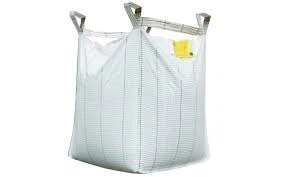
Functional bulk bags, also known as flexible intermediate bulk containers (FIBCs), are large, flexible containers designed for storing and transporting bulk materials. These bags come in various types, each tailored to specific functions and applications. As a leading functional bulk bags supplier, we often receive queries about their usability outdoors. This blog post aims to explore whether functional bulk bags can be used outdoors and the factors to consider when making this decision.
Types of Functional Bulk Bags and Their Outdoor Suitability
Conductive Bulk Bag
Conductive bulk bags, available at Conductive Bulk Bag, are designed to prevent the build - up and discharge of static electricity. This makes them ideal for transporting and storing flammable or combustible materials. When it comes to outdoor use, conductive bulk bags are generally suitable as long as they are protected from extreme weather conditions.
Outdoor elements such as rain, snow, and direct sunlight can potentially affect the conductive properties of the bags over time. However, if the bags are covered or stored in a sheltered area, they can still perform their function effectively. For example, in an industrial outdoor storage yard where flammable powders are stored, conductive bulk bags can be placed under a tarpaulin to protect them from the elements while still ensuring static electricity is safely dissipated.
Anti - static Bulk Bag
Anti - static Bulk Bag are similar to conductive bulk bags in that they are used to control static electricity. However, they work by minimizing the generation of static charges rather than actively conducting them away. These bags are suitable for a wide range of materials, including those that are sensitive to static electricity but not necessarily flammable.
In an outdoor environment, anti - static bulk bags can be used as long as precautions are taken. The main concern with outdoor use is the wear and tear caused by environmental factors. UV rays from the sun can degrade the fabric of the bag, reducing its anti - static properties. To mitigate this, UV - resistant coatings can be applied to the bags, or they can be stored in areas with limited sunlight exposure. Wind and rain can also cause damage if the bags are not properly secured or protected.
Food Grade Bulk Bag
Food Grade Bulk Bag are designed to meet strict hygiene and safety standards for storing and transporting food products. Outdoor use of food - grade bulk bags requires extra caution.
One of the biggest challenges is ensuring the bags remain clean and free from contaminants. Outdoor environments are more likely to have dust, dirt, and pests that can contaminate the food inside the bags. Therefore, if food - grade bulk bags are to be used outdoors, they should be stored in a clean, sealed area, preferably on raised platforms to prevent contact with the ground. Additionally, regular inspections should be carried out to ensure the integrity of the bags and the safety of the food products.
Factors to Consider for Outdoor Use of Functional Bulk Bags
Weather Conditions
As mentioned earlier, weather is a crucial factor when using functional bulk bags outdoors. Extreme heat can cause the fabric of the bags to expand and potentially weaken, while extreme cold can make the fabric brittle. Heavy rain and snow can lead to moisture accumulation inside the bags, which may damage the contents or affect the functionality of the bags.
For example, if a conductive bulk bag is exposed to continuous rain, the moisture can interfere with its static - dissipating properties. In areas with high humidity, mold and mildew can grow on the bags, especially if they are not made from moisture - resistant materials. Understanding the local weather patterns and choosing the appropriate functional bulk bags with suitable protective features is essential.
Protection from UV Rays
Ultraviolet (UV) rays from the sun can cause significant damage to the fabric of functional bulk bags over time. UV rays can break down the polymer chains in the fabric, leading to reduced strength, color fading, and decreased functionality.
To protect against UV damage, manufacturers can treat the bags with UV - inhibitors during the production process. These inhibitors absorb or reflect the UV rays, preventing them from reaching the fabric. Additionally, users can provide physical protection by storing the bags under shelters or using UV - resistant covers.
Security and Stability
Outdoors, functional bulk bags need to be properly secured to prevent them from being knocked over by wind, animals, or human activity. Unsecured bags can pose a safety hazard and may lead to spillage of the contents.
Stability can be enhanced by using stacking frames or pallets. Stacking frames provide a stable structure for the bags, allowing them to be stacked safely in multiple layers. Pallets also help to elevate the bags off the ground, improving air circulation and reducing the risk of moisture damage.
Exposure to Chemicals and Contaminants
Outdoor environments may expose functional bulk bags to various chemicals and contaminants. For example, in industrial areas, there may be acid rain, oil spills, or chemical fumes that can damage the bags. In agricultural settings, fertilizers, pesticides, and dirt can contaminate the bags.
Choosing bags with chemical - resistant properties is important in such environments. Additionally, proper cleaning and maintenance procedures should be established to ensure the bags remain in good condition and do not transfer contaminants to the contents.
Benefits of Using Functional Bulk Bags Outdoors
Despite the challenges, there are several benefits to using functional bulk bags outdoors. Firstly, they offer a cost - effective solution for storing and transporting large quantities of materials. Compared to traditional storage methods, such as drums or tanks, functional bulk bags are less expensive to purchase and operate.


Secondly, functional bulk bags are highly portable. They can be easily moved around outdoor sites using forklifts, cranes, or other handling equipment. This portability makes them ideal for construction sites, agricultural fields, and industrial yards where materials need to be transported and stored in different locations.
Finally, functional bulk bags are space - efficient. They can be folded and stored when not in use, saving valuable storage space. When filled, they can be stacked on top of each other, further optimizing the use of outdoor storage areas.
Conclusion
In conclusion, functional bulk bags can be used outdoors, but careful consideration must be given to their specific type, the environmental conditions, and appropriate protective measures. Whether it's a Conductive Bulk Bag, Anti - static Bulk Bag, or Food Grade Bulk Bag, understanding the limitations and requirements of each type is crucial for successful outdoor use.
As a functional bulk bags supplier, we are committed to providing high - quality products that meet the diverse needs of our customers. If you are interested in purchasing functional bulk bags for outdoor use, we encourage you to contact us for more information and to discuss your specific requirements. Our team of experts is ready to assist you in selecting the most suitable bags and providing guidance on proper usage and maintenance.
References
- "Flexible Intermediate Bulk Containers (FIBCs): Design, Testing, and Applications" by various industry experts.
- Technical reports from leading functional bulk bag manufacturers.
- Research studies on the effects of outdoor environmental factors on polymer - based materials.