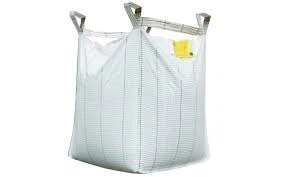
Can food grade bulk bags be used for storing grains? This is a question that many grain producers, distributors, and even consumers often ask. As a supplier of Food Grade Bulk Bag, I am well - versed in the capabilities and limitations of these bags, and I'm here to provide a comprehensive answer.
Understanding Food Grade Bulk Bags
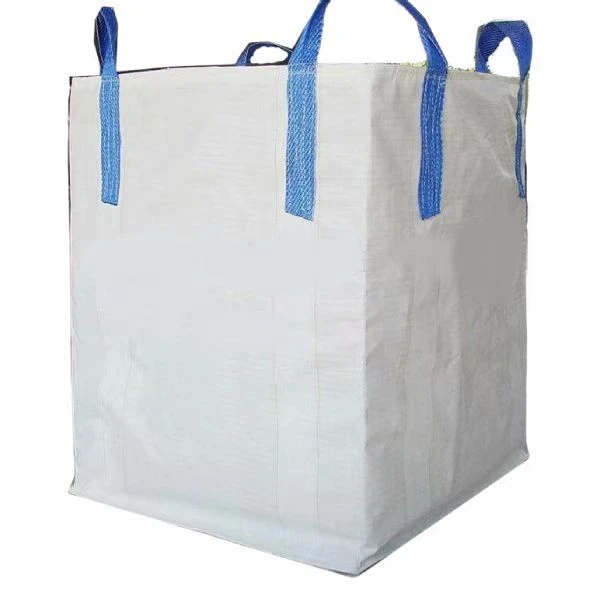
Food grade bulk bags, also known as FIBCs (Flexible Intermediate Bulk Containers), are specifically designed for the storage and transportation of food products. These bags are made from materials that meet strict food safety standards. The materials used in food grade bulk bags are non - toxic, and they do not contaminate the food stored inside. They are also resistant to moisture, pests, and other environmental factors that could potentially spoil the food.
Food grade bulk bags come in various sizes, shapes, and designs to suit different needs. Some are designed with special features such as anti - static properties or UV protection. For example, Conductive Bulk Bag is a type of specialized bulk bag that can prevent static electricity build - up, which is crucial when dealing with flammable grains or in environments where static sparks could be a safety hazard.
Suitability for Grain Storage
When it comes to storing grains, food grade bulk bags offer several advantages.
Protection from Contaminants
Grains are susceptible to contamination from various sources, including dust, dirt, insects, and microorganisms. Food grade bulk bags act as a physical barrier, preventing these contaminants from reaching the grains. The high - quality materials used in these bags are tightly woven, which minimizes the entry of external particles. Additionally, the bags can be sealed properly, further protecting the grains from contamination.
Moisture Resistance
Moisture is one of the biggest enemies of grain storage. Excess moisture can lead to mold growth, sprouting, and the development of mycotoxins, which are harmful to both humans and animals. Food grade bulk bags are often made from materials that have low moisture permeability. This means that they can keep the grains dry by preventing the entry of moisture from the surrounding environment. Some bags are also treated with moisture - resistant coatings to enhance their performance.
Pest Resistance
Insects and rodents can cause significant damage to stored grains. Food grade bulk bags are designed to be pest - resistant. Their tight weave and durable construction make it difficult for pests to penetrate the bags and access the grains. Moreover, some bags can be treated with natural or chemical pest - repellent agents to further deter pests.

Space Efficiency
Grain producers and distributors often need to store large quantities of grains. Food grade bulk bags are an efficient solution for space - constrained storage facilities. They can be stacked easily, allowing for maximum use of vertical space. Compared to traditional storage methods such as silos, bulk bags can be more flexible in terms of storage location and capacity.
Considerations When Using Food Grade Bulk Bags for Grain Storage
While food grade bulk bags are generally suitable for grain storage, there are some considerations that need to be taken into account.
Grain Type
Different types of grains have different storage requirements. For example, oily grains such as soybeans may require bags with better oxygen - barrier properties to prevent oxidation. On the other hand, grains with high moisture content at the time of storage may need bags with enhanced ventilation to prevent mold growth. It is important to choose the right type of food grade bulk bag based on the specific characteristics of the grains.
Storage Environment
The storage environment plays a crucial role in the performance of food grade bulk bags. Bags should be stored in a clean, dry, and well - ventilated area. Exposure to extreme temperatures, high humidity, or direct sunlight can affect the integrity of the bags and the quality of the grains. For example, prolonged exposure to sunlight can cause the degradation of the bag's material, reducing its protective capabilities.
Bag Quality
Not all food grade bulk bags are created equal. The quality of the bags can vary depending on the manufacturer and the materials used. When choosing a supplier, it is important to ensure that they have a good reputation for producing high - quality bags that meet all relevant food safety standards. A reliable supplier will also provide detailed information about the bag's specifications and performance.
Real - World Applications
Many grain producers and distributors around the world are already using food grade bulk bags for grain storage. For small - scale farmers, bulk bags offer an affordable and convenient way to store their harvest. They can easily transport the bags to local markets or storage facilities. Large - scale grain producers also benefit from using bulk bags, as they can store and transport large quantities of grains efficiently.
In the international grain trade, food grade bulk bags are becoming increasingly popular. They are compliant with international food safety regulations, which makes them suitable for exporting grains to different countries. This has led to a growing demand for high - quality food grade bulk bags in the global market.
Conclusion
In conclusion, food grade bulk bags are a viable option for storing grains. They offer excellent protection against contaminants, moisture, pests, and can be space - efficient. However, it is important to consider factors such as grain type, storage environment, and bag quality when using these bags. As a supplier of Food Grade Bulk Bag, we are committed to providing high - quality bags that meet the diverse needs of our customers in the grain industry.
If you are in the market for food grade bulk bags for grain storage or have any questions about our products, we invite you to reach out to us for a discussion. We can provide you with detailed product information, specifications, and pricing. Our team of experts is ready to assist you in finding the best solution for your grain storage needs.
References
- "Flexible Intermediate Bulk Containers (FIBCs): Design, Testing, and Application" by various industry experts
- Food safety guidelines and regulations from relevant international and national authorities.