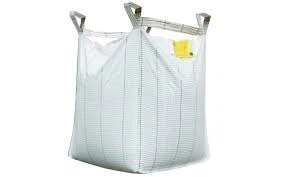
Hey there! As a supplier of Paper - plastic Composite Tear - open Bags, I often get asked a bunch of questions about our products. One question that pops up quite a bit is, "Are paper - plastic composite tear - open bags resistant to ultraviolet rays?" Let's dig into this topic and find out.
First off, let's understand what paper - plastic composite tear - open bags are. These bags are a combination of paper and plastic materials. The paper part gives them a natural and eco - friendly look, while the plastic layer adds strength, durability, and moisture resistance. You can check out our Paper - plastic Composite Tear - open Bag on our website to get a better idea of what they look like.
Now, let's talk about ultraviolet (UV) rays. UV rays are a part of the sun's radiation. They can be pretty harsh on materials, causing them to fade, break down, and lose their strength over time. This is a big concern for products that are stored outdoors or are exposed to sunlight for long periods.
When it comes to paper - plastic composite tear - open bags, the answer to the UV resistance question isn't a simple yes or no. It depends on a few factors.
The Materials Used
The type of paper and plastic in the composite plays a huge role. Some papers are more resistant to UV rays than others. For example, kraft paper, which is commonly used in these bags, has a certain level of natural resistance. It's made from wood pulp and has a brownish color that can absorb some UV radiation. However, it's not completely immune.
The plastic layer is also important. Different plastics have different levels of UV resistance. Polyethylene, a common plastic used in these bags, has some natural UV resistance, but it can still degrade over time when exposed to sunlight. Some manufacturers add UV stabilizers to the plastic during the production process. These stabilizers help to protect the plastic from the harmful effects of UV rays, making the bag more resistant.
The Thickness of the Layers
The thickness of both the paper and plastic layers matters. Thicker layers generally offer more protection against UV rays. A thicker paper layer can act as a barrier, blocking some of the UV radiation from reaching the plastic layer. Similarly, a thicker plastic layer with UV stabilizers can provide better long - term protection.
The Duration and Intensity of UV Exposure
If the bags are only exposed to sunlight for a short period, say a few hours a day, they'll likely hold up better than if they're exposed continuously for days or weeks. Also, the intensity of the UV rays matters. In areas with high levels of sunlight, like deserts or tropical regions, the bags will face more severe UV exposure.
Let's take a look at some real - world scenarios. If you're using these bags to store products in a warehouse that has windows and gets some sunlight, the bags might last a long time without significant damage. But if you're using them to store products outdoors, like in a construction site or a farm, the UV exposure can be much more intense.
In outdoor settings, the bags might start to show signs of damage after a few months. The paper might start to fade, and the plastic layer could become brittle. This can affect the strength of the bag and its ability to hold the contents safely.
To improve the UV resistance of our paper - plastic composite tear - open bags, we've taken a few steps. We use high - quality kraft paper and plastics with added UV stabilizers. We also offer options for thicker layers if our customers need extra protection.
Another thing to consider is the type of product you're storing in the bags. Some products are more sensitive to UV rays than others. For example, food products can be affected by UV radiation, which can cause them to spoil or lose their nutritional value. In these cases, it's even more important to have bags that are as UV - resistant as possible.
We also have other types of paper - plastic composite bags, like the Lined Paper - plastic Composite Packaging Bag and the Paper - plastic Composite Flat Valve Bag. These bags also have similar considerations when it comes to UV resistance.
If you're in a situation where your products will be exposed to sunlight, it might be a good idea to take some extra precautions. You can store the bags in a shaded area or use covers to protect them from direct sunlight.


In conclusion, while paper - plastic composite tear - open bags have some level of UV resistance, it's not absolute. The materials, thickness, and exposure conditions all play a role. At our company, we're constantly working to improve the UV resistance of our bags to meet the needs of our customers.
If you're interested in our paper - plastic composite tear - open bags or have any questions about UV resistance or other features, don't hesitate to reach out to us. We're here to help you find the best packaging solution for your products.
References
- ASTM International. (2023). Standard test methods for evaluating the effect of environmental conditions on plastics.
- Smith, J. (2022). The impact of ultraviolet radiation on packaging materials. Journal of Packaging Science and Technology.