Hey there! As a supplier of bulk bags for process handling, I often get asked if these bags are environmentally friendly. It's a hot topic these days, and rightfully so. We're all trying to do our part to protect the planet, and figuring out the environmental impact of the products we use and sell is a big part of that. So, let's dive in and take a closer look at whether bulk bags for process handling are eco - friendly.
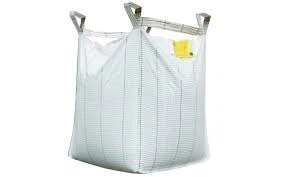
First off, let's talk about what bulk bags for process handling are. These are large, flexible containers used to store and transport all sorts of materials, from chemicals and minerals to food products. There are different types, like the Bottom Lift Bulk Bag and the Top Lift Bulk Bag. They come in handy in a wide range of industries because they can hold a large amount of stuff in one go, which is super efficient.
Material and Manufacturing
Most bulk bags are made from polypropylene, a type of plastic. Now, when you hear "plastic," you might immediately think it's bad for the environment. But polypropylene has some redeeming qualities. It's lightweight, which is a big plus. When you're shipping materials, a lighter container means less fuel is needed to transport it. This directly reduces carbon emissions associated with transportation.
In terms of manufacturing, the process of making polypropylene bulk bags has become more energy - efficient over the years. Manufacturers are constantly looking for ways to cut down on energy use and waste. Some factories have even adopted green technologies to make the production process more sustainable. However, like any manufacturing process, there's still an environmental cost. Producing plastic does require energy and resources, and there are emissions involved.
Reusability
One of the biggest selling points of bulk bags for process handling is their reusability. Unlike single - use packaging, these bags can be used multiple times. If they're taken care of properly, they can last for years. This is a huge win for the environment. When a bag can be used again and again, it reduces the demand for new bags to be produced. That means fewer resources are used, and less waste ends up in landfills.
For example, if a company uses a bulk bag to transport a certain material, they can clean it and then use it to transport another type of material. This not only saves money for the user but also helps to minimize the environmental impact. However, reusability depends on the handling and storage of the bags. If they're damaged during use or not stored correctly, their lifespan can be significantly shortened.
Recyclability
Another important aspect is recyclability. Polypropylene bulk bags are recyclable. Once they've reached the end of their useful life, they can be collected and recycled into new products. Recycling reduces the need for virgin materials, which in turn conserves natural resources and reduces energy consumption.
However, the reality is that not all bulk bags end up getting recycled. There are challenges in the recycling process. For one, the collection and sorting of used bulk bags can be difficult. Different industries use different types of bulk bags, and they may have different additives or coatings. This can make it tricky to recycle them efficiently. Also, there isn't always a well - established recycling infrastructure in place for these bags.
Comparison with Other Packaging Options
Let's compare bulk bags with other packaging options. Traditional rigid containers, like drums or metal boxes, are often heavier and more bulky. As I mentioned earlier, heavier packaging means more fuel is needed for transportation. Also, these rigid containers usually require more raw materials to manufacture.


On the other hand, single - use plastic bags or sacks are much less durable and not as reusable. They're often thrown away after one use, which leads to a lot of waste. Bulk bags strike a good balance between durability, reusability, and efficiency. They can carry large volumes of materials while being relatively lightweight and having the potential for multiple uses.
Environmental Certifications
Some bulk bag suppliers, including us, are working towards getting environmental certifications. These certifications show that the bags meet certain environmental standards. For example, there are certifications that focus on the use of sustainable materials, energy - efficient manufacturing processes, and proper waste management.
When a company buys bulk bags with these certifications, they can be more confident that they're making an environmentally responsible choice. It also encourages other suppliers to follow suit and improve their environmental practices.
What Can We Do Better?
As a supplier, we're always looking for ways to make our bulk bags even more environmentally friendly. One area we're focusing on is improving the recyclability of our bags. We're researching new materials and additives that can make the recycling process easier and more efficient.
We're also working on educating our customers about the proper use, storage, and recycling of bulk bags. By ensuring that our customers understand how to get the most out of our bags and how to recycle them at the end of their life, we can increase their reusability and recyclability rates.
Conclusion
So, are bulk bags for process handling environmentally friendly? Well, it's a bit of a mixed bag. They have some significant environmental benefits, like reusability, lightweight design, and recyclability. But there are also areas where they could be improved, such as in the recycling infrastructure and reducing the environmental impact of manufacturing.
Overall, I believe that bulk bags are a more sustainable option compared to many other packaging alternatives. They offer a good balance between functionality and environmental responsibility. If you're in the market for bulk bags for your process handling needs, I encourage you to consider the environmental aspects.
If you're interested in learning more about our bulk bags or would like to discuss a potential purchase, don't hesitate to reach out. We're here to help you find the best solution for your business while also doing our part for the environment.
References
- "The Handbook of Flexible Intermediate Bulk Containers" - Covers various aspects of bulk bag design, use, and environmental impact.
- Journal of Environmental Science and Technology - Articles on the sustainability of plastic materials and their manufacturing processes.