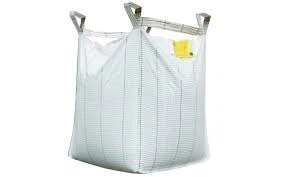
Hey there! As a supplier of Paper - plastic Composite Flat Open Bags, I often get asked about what materials are used to make these nifty bags. Well, let's dive right in and break it down.
Paper Materials
First up, paper is a key component. We usually use kraft paper, which is super tough and durable. Kraft paper is made from wood pulp, typically sourced from softwood trees like pine and spruce. The manufacturing process involves a chemical pulping method called the kraft process. In this process, wood chips are cooked in a solution of sodium hydroxide and sodium sulfide. This breaks down the lignin, which holds the wood fibers together, leaving behind long, strong cellulose fibers.
These cellulose fibers are what give kraft paper its strength. The long fibers interlock with each other, creating a sturdy structure that can withstand a fair amount of wear and tear. That's why kraft paper is great for our Paper - plastic Composite Flat Open Bags. It can handle being filled with various products without easily tearing.
There are different grades of kraft paper, too. For our bags, we often choose a medium - to high - grade kraft paper. The higher the grade, the stronger and more resilient the paper is. This is important because our bags are used to package a wide range of items, from dry goods like grains and powders to small hardware items.
Plastic Materials
Now, let's talk about the plastic part. Polyethylene (PE) is a commonly used plastic in our Paper - plastic Composite Flat Open Bags. PE comes in different forms, such as low - density polyethylene (LDPE) and high - density polyethylene (HDPE).
LDPE is known for its flexibility and toughness. It has a lower density, which means it's more pliable. This makes it great for creating a seal on the bags and providing a bit of stretch. When we combine LDPE with kraft paper, it helps to make the bag more resistant to moisture. Moisture can be a big problem for many products, especially those that are sensitive to humidity. So, the LDPE layer acts as a barrier, keeping the contents dry.
On the other hand, HDPE is more rigid and has a higher density. It's stronger and more resistant to punctures. We might use HDPE in areas of the bag that need extra protection, like the bottom or the corners. This ensures that the bag can hold heavier items without getting damaged easily.


Another advantage of using polyethylene is that it's relatively inexpensive compared to some other plastics. This allows us to keep the cost of our Paper - plastic Composite Flat Open Bags down, which is great for our customers.
Adhesive Materials
To bond the paper and plastic layers together, we use adhesives. There are several types of adhesives that can be used, but we typically go for hot - melt adhesives. These adhesives are solid at room temperature but melt when heated. Once melted, they can be applied between the paper and plastic layers. As they cool down, they form a strong bond that holds the two materials together firmly.
Hot - melt adhesives are a popular choice because they dry quickly. This means that the manufacturing process can be more efficient. We can produce our Paper - plastic Composite Flat Open Bags at a faster rate, which helps us meet the demand of our customers. They also have good adhesion properties, ensuring that the paper and plastic layers don't separate easily during use.
Other Additives
In addition to the main materials, we might also add some other additives to enhance the performance of our bags. For example, we might use anti - static agents. Static electricity can be a problem when filling and handling the bags, especially when dealing with powders or small particles. The anti - static agents help to reduce the build - up of static, making the filling process smoother and safer.
We might also add UV stabilizers. If the bags are going to be stored outdoors or exposed to sunlight for long periods, the UV rays can damage the paper and plastic materials. The UV stabilizers help to protect the bags from the harmful effects of UV radiation, extending their lifespan.
Our Product Range
As a supplier, we don't just offer Paper - plastic Composite Flat Open Bags. We also have a variety of other related products. For instance, we have Paper - plastic Composite Square Bottom M - fold Bag. These bags have a unique square bottom design, which provides better stability when placed on a surface. The M - fold design allows for easy opening and filling.
We also supply Paper - plastic Composite M - fold Valve Bag. These bags are great for products that need to be filled using a valve system. The M - fold design makes it convenient for the filling process, and the valve ensures a tight seal.
And then there's the Paper - plastic Composite Crepe Paper Sewn Bottom Bag. The crepe paper gives the bag a bit of extra texture and flexibility, while the sewn bottom provides added strength.
Why Choose Our Bags
Our Paper - plastic Composite Flat Open Bags offer a great combination of the strength of kraft paper and the moisture - resistance of plastic. They are versatile, cost - effective, and can be customized to meet the specific needs of our customers. Whether you're a food manufacturer looking to package your products or a hardware store in need of sturdy bags for small items, our bags are a great choice.
If you're interested in purchasing our Paper - plastic Composite Flat Open Bags or any of our other products, don't hesitate to get in touch. We're always happy to discuss your requirements and provide you with the best packaging solutions. We can offer competitive prices, high - quality products, and excellent customer service. So, let's start a conversation and see how we can work together to meet your packaging needs.
References
- "Handbook of Paper and Board Packaging Technology"
- "Plastics: Materials and Processing"
- Industry research reports on paper - plastic composite materials