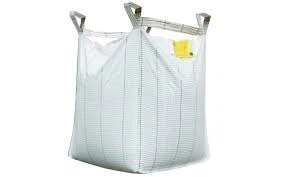
As a seasoned supplier of lined paper - plastic composite packaging bags, I've encountered numerous inquiries regarding their weight capacity. In this blog, I aim to comprehensively explore this topic, shedding light on the factors that influence the weight - bearing capabilities of these versatile packaging solutions.
Understanding Lined Paper - Plastic Composite Packaging Bags
Lined paper - plastic composite packaging bags are crafted by combining the strength and durability of paper with the moisture - resistance and flexibility of plastic. This synergy results in a packaging option that is not only robust but also environmentally friendly to a certain extent. The inner plastic lining serves as a barrier against moisture, protecting the contents from damage, while the outer paper layer provides structural integrity and a printable surface for branding and product information.
There are several types of lined paper - plastic composite packaging bags, each with its own unique design and intended use. For instance, the Paper - plastic Composite Tear - open Bag is designed for easy access to the contents. It features a pre - scored tear line, allowing consumers to open the bag effortlessly. On the other hand, the Paper - plastic Composite M - fold Open Bag offers a larger opening, which is ideal for products that need to be filled or dispensed quickly. And the Paper - plastic Composite Flat Open Bag is a simple yet effective option for a wide range of products.
Factors Affecting the Weight Capacity
The weight capacity of lined paper - plastic composite packaging bags is not a fixed value; rather, it is influenced by several key factors.
Material Thickness
The thickness of both the paper and the plastic lining plays a crucial role in determining the weight - bearing capacity of the bag. Thicker materials generally offer greater strength and can withstand heavier loads. For example, a bag with a thick kraft paper outer layer and a dense plastic lining will be able to hold more weight compared to a bag with thinner materials. Manufacturers can adjust the material thickness based on the specific requirements of the product to be packaged.
Bag Design
The design of the bag also impacts its weight capacity. Bags with a wider base and a more stable shape are better able to distribute the weight of the contents evenly, reducing the stress on the bag's structure. Additionally, features such as reinforced seams and handles can enhance the bag's strength and make it more suitable for carrying heavier items. For instance, a bag with double - stitched seams is less likely to tear under pressure compared to a bag with single - stitched seams.
Product Characteristics
The nature of the product being packaged is another important factor. Products with sharp edges or irregular shapes can put additional stress on the bag, reducing its effective weight capacity. For example, packaging a product with a rough surface may cause the bag to wear out more quickly, increasing the risk of tearing. In contrast, products with a smooth and regular shape are easier to package and require less reinforcement in the bag design.
Determining the Weight Capacity
To accurately determine the weight capacity of a lined paper - plastic composite packaging bag, a combination of theoretical calculations and practical testing is necessary.
Theoretical Calculations
Theoretical calculations involve analyzing the mechanical properties of the materials used in the bag, such as the tensile strength of the paper and the plastic. By understanding these properties, engineers can estimate the maximum load that the bag can withstand based on its design and dimensions. However, these calculations are often based on ideal conditions and may not fully account for real - world factors such as handling and storage.
Practical Testing
Practical testing is the most reliable way to determine the weight capacity of a bag. This involves filling the bag with different weights of the intended product and subjecting it to various handling and storage conditions. The bag is then inspected for signs of damage, such as tearing, stretching, or seam failure. Through a series of tests, the maximum weight that the bag can safely hold can be established.
Typical Weight Capacities
The weight capacity of lined paper - plastic composite packaging bags can vary widely depending on the factors mentioned above. In general, small - sized bags with a simple design and thin materials may have a weight capacity of a few kilograms, while larger and more robust bags can hold up to 25 kilograms or more.


For example, a small Paper - plastic Composite Tear - open Bag used for packaging snacks or small items may be able to hold 1 - 2 kilograms. On the other hand, a large Paper - plastic Composite M - fold Open Bag designed for industrial products or bulk items may have a weight capacity of 10 - 25 kilograms.
Importance of Choosing the Right Weight Capacity
Selecting the appropriate weight capacity for a lined paper - plastic composite packaging bag is essential for several reasons. Firstly, it ensures the safety of the product during transportation and storage. A bag that is overloaded is more likely to tear or break, leading to product damage and potential safety hazards. Secondly, choosing the right weight capacity can help to optimize packaging costs. Using a bag with a higher weight capacity than necessary can result in unnecessary material waste and increased costs.
Contact for Procurement
If you are in the market for lined paper - plastic composite packaging bags and need to determine the right weight capacity for your products, I encourage you to reach out to us. Our team of experts has extensive experience in designing and manufacturing high - quality packaging solutions tailored to your specific needs. We can work with you to select the appropriate materials, design the optimal bag structure, and conduct the necessary testing to ensure that the bags meet your weight - bearing requirements. Whether you are packaging food products, industrial goods, or consumer items, we have the expertise and resources to provide you with the best packaging solution.
References
- Packaging Machinery Manufacturers Institute. (20XX). Handbook of Packaging Machinery.
- Smith, J. (20XX). Materials Science for Packaging.
- Jones, A. (20XX). Design and Testing of Packaging Materials.