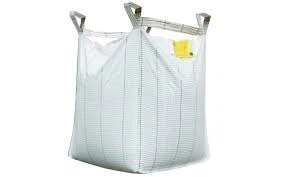
Hey there! As a supplier of Paper - plastic Composite Printed Bags, I often get asked about the water vapor transmission rate (WVTR) of these bags. So, I thought I'd write this blog to share some insights on what WVTR is all about in the context of our paper - plastic composite printed bags.
First off, let's understand what water vapor transmission rate means. Simply put, WVTR is a measure of how much water vapor can pass through a material over a given period of time. It's usually expressed in grams per square meter per day (g/m²/day). This is super important when it comes to packaging because it tells us how well a bag can protect its contents from moisture. You see, moisture can mess up a lot of products. For food items, it can lead to spoilage, mold growth, and a shorter shelf - life. For non - food products like electronics or chemicals, moisture can cause corrosion, damage to components, and a loss of functionality.
Now, let's talk about our paper - plastic composite printed bags. These bags are made by combining paper and plastic, which gives them some unique properties. The paper part provides a natural, eco - friendly look and feel, while the plastic layer offers a barrier against various elements, including water vapor.
The WVTR of our paper - plastic composite printed bags depends on several factors. One of the main factors is the type of plastic used. Different plastics have different WVTR values. For example, polyethylene (PE) is a commonly used plastic in our bags. Low - density polyethylene (LDPE) has a relatively higher WVTR compared to high - density polyethylene (HDPE). HDPE has a more compact molecular structure, which makes it more difficult for water vapor molecules to pass through. So, if you need a bag with a lower WVTR to protect products that are highly sensitive to moisture, we might recommend using a bag with an HDPE layer.
Another factor is the thickness of the plastic layer. Generally, the thicker the plastic layer, the lower the WVTR. A thicker plastic provides a longer path for water vapor molecules to travel through, increasing the resistance to water vapor transmission. However, we also need to balance the thickness because adding too much plastic can make the bag more expensive and less environmentally friendly.
The quality of the paper also plays a role. High - quality paper with a smooth surface and fewer pores can reduce the overall WVTR of the composite bag. This is because the paper can act as an additional barrier, especially when it's well - bonded to the plastic layer.
Let's take a look at some of our popular bag types and how their WVTR might vary. We have the Paper - plastic Composite M - fold Open Bag. This bag is great for a wide range of products. The M - fold design makes it easy to open and fill. The WVTR of this bag can be adjusted based on the customer's requirements. If you're packaging dry snacks or small hardware items, a bag with a moderate WVTR might be sufficient. But if you're packaging something like powdered spices or hygroscopic chemicals, we can customize the bag to have a lower WVTR.
Our Paper - plastic Composite Square Bottom M - fold Bag is another popular option. The square bottom design gives it stability when standing on a shelf. This bag is often used for products like coffee beans, tea leaves, and pet food. These products are sensitive to moisture, so we pay extra attention to the WVTR of these bags. We can use a combination of high - quality paper and a suitable plastic layer to ensure that the bag provides a good moisture barrier.


The Paper - plastic Composite M - fold Valve Bag is commonly used for packaging granular or powdered products. The valve design allows for easy filling and a tight seal. For products like cement, flour, or fertilizers, a low WVTR is crucial to prevent clumping and degradation. We can engineer these bags to have a very low WVTR by carefully selecting the plastic and adjusting its thickness.
To measure the WVTR of our bags, we use standardized testing methods. One of the most common methods is the ASTM E96 standard. This method involves placing a sample of the bag material in a test chamber with a controlled temperature and humidity. The amount of water vapor that passes through the sample over a specific period of time is measured, and the WVTR is calculated. We regularly test our bags to ensure that they meet the required WVTR specifications for different applications.
When it comes to choosing the right paper - plastic composite printed bag for your product, it's important to consider the WVTR along with other factors. For example, the strength of the bag, its printability, and its cost. We understand that every customer has different needs, and we're here to help you find the best solution.
If you're in the market for paper - plastic composite printed bags and want to know more about the WVTR or other features, don't hesitate to reach out. We can have a detailed discussion about your product, its moisture sensitivity, and the best bag options for you. Whether you're a small business looking for a unique packaging solution or a large corporation with high - volume requirements, we're committed to providing you with high - quality bags at a competitive price.
In conclusion, the water vapor transmission rate of our paper - plastic composite printed bags is a crucial factor that can significantly impact the quality and shelf - life of your products. By understanding the factors that affect WVTR and choosing the right bag design and materials, you can ensure that your products are well - protected. So, if you're interested in learning more or placing an order, just contact us, and we'll be happy to assist you.
References
- ASTM International. (2016). ASTM E96 - 16: Standard Test Methods for Water Vapor Transmission of Materials. West Conshohocken, PA: ASTM International.
- Packaging Machinery Manufacturers Institute. (2019). Handbook of Packaging Machinery. Sterling, VA: Packaging Machinery Manufacturers Institute.