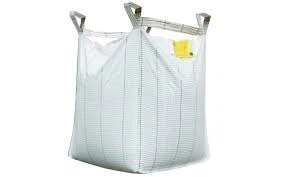
As a supplier of Multi - layer Kraft Paper Flat Valve Bags, I often get asked about the stiffness of these bags. In this blog post, I'll delve into what stiffness means in the context of multi - layer kraft paper flat valve bags, the factors that influence it, and why it matters for various applications.
Understanding Stiffness in Multi - layer Kraft Paper Flat Valve Bags
Stiffness, in the case of multi - layer kraft paper flat valve bags, refers to the bag's ability to maintain its shape and resist deformation under various conditions. A stiffer bag is less likely to collapse, wrinkle, or lose its structural integrity during handling, storage, and transportation.
When we talk about the stiffness of these bags, we are essentially discussing the mechanical property that allows them to stand upright when filled and to withstand external pressures without significant distortion. This is crucial because it directly impacts the bag's functionality and the overall efficiency of the packaging process.
Factors Influencing the Stiffness of Multi - layer Kraft Paper Flat Valve Bags
1. Number of Layers
One of the most significant factors affecting the stiffness of multi - layer kraft paper flat valve bags is the number of kraft paper layers used in their construction. Generally, as the number of layers increases, so does the stiffness of the bag. Each additional layer adds to the overall thickness and strength of the bag, making it more resistant to bending and deformation. For example, a three - layer kraft paper bag will typically be stiffer than a two - layer one. This is because the multiple layers work together to distribute stress more evenly across the bag's surface, preventing it from buckling easily.
2. Quality of Kraft Paper
The quality of the kraft paper itself plays a vital role in determining the stiffness of the bag. High - quality kraft paper is made from long - fiber wood pulp, which gives it greater strength and stiffness compared to lower - quality paper. Kraft paper with a higher basis weight (the weight of a ream of paper) also tends to be stiffer. This is because a heavier paper has more material per unit area, providing more resistance to bending forces. Additionally, the manufacturing process of the kraft paper can affect its stiffness. Papers that are properly processed and treated during production are more likely to have consistent stiffness properties.
3. Bag Design
The design of the multi - layer kraft paper flat valve bag can also influence its stiffness. For instance, the dimensions of the bag, such as its height, width, and thickness, can impact how stiff it is. A taller and wider bag may require more stiffness to maintain its shape compared to a smaller one. The shape of the bag, particularly the flat valve design, can also contribute to its stiffness. The valve itself can add some structural support to the bag, helping it to hold its form. Moreover, the way the layers are bonded together in the bag construction can affect stiffness. A strong and uniform bond between the layers ensures that they work together effectively to resist deformation.
Importance of Stiffness in Different Applications
1. Packaging of Granular and Powdery Products
Multi - layer kraft paper flat valve bags are commonly used for packaging granular and powdery products such as fertilizers, cement, and animal feed. In these applications, stiffness is crucial for several reasons. Firstly, a stiff bag can stand upright on its own when filled, making it easier to stack and store in warehouses. This helps to optimize storage space and reduces the risk of bags toppling over. Secondly, stiffness ensures that the bag maintains its shape during filling and sealing processes. A bag that is too flexible may not hold its form properly, leading to issues such as uneven filling or difficulty in sealing the valve. This can result in product leakage and waste, as well as a less professional - looking package.
2. Handling and Transportation
During handling and transportation, multi - layer kraft paper flat valve bags are subjected to various forces such as stacking pressure, vibration, and impacts. A stiff bag is better able to withstand these forces without getting damaged. For example, when bags are stacked on pallets for shipping, a stiff bag can support the weight of the bags above it without collapsing. This reduces the risk of product damage and spillage during transit. Additionally, a stiff bag is less likely to get caught or snagged on equipment during handling, improving the efficiency of the packaging and logistics operations.
Comparison with Other Types of Kraft Paper Bags
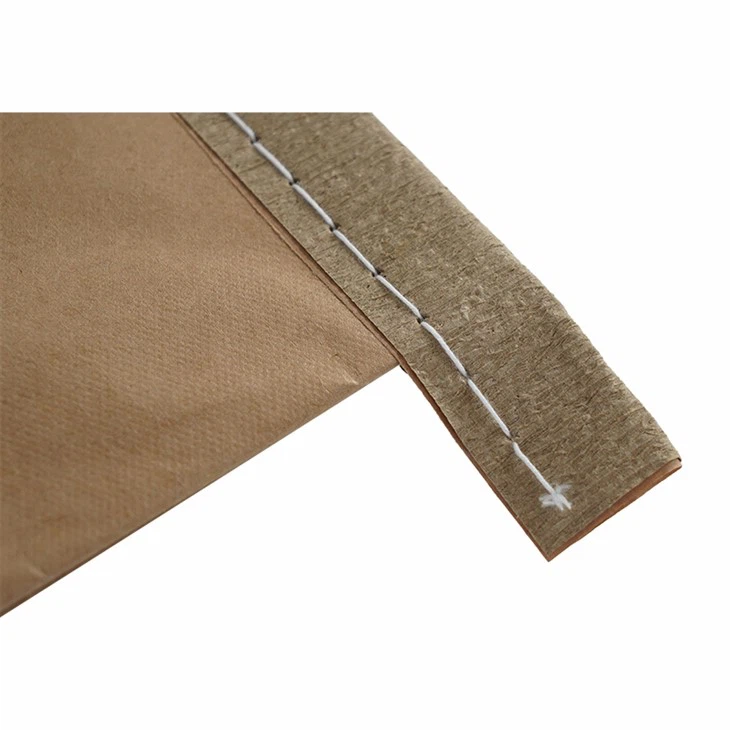
It's interesting to compare the stiffness of multi - layer kraft paper flat valve bags with other types of kraft paper bags. For example, the Multi - layer Kraft Paper Crepe Paper Sewn Bottom Bag has a different construction due to the crepe paper layer and the sewn bottom. The crepe paper may add some flexibility to the bag, which could result in a slightly lower stiffness compared to a flat valve bag. However, the sewn bottom can provide additional reinforcement in certain areas.
On the other hand, the Multi - layer Kraft Paper Flat Open Bag lacks the valve design of the flat valve bag. While it may have similar stiffness characteristics depending on the number of layers and paper quality, the absence of the valve can make it less structured and potentially less stiff in some applications.
The Multi - layer Kraft Paper Square Bottom Flat Bag has a unique square - bottom design, which can contribute to its stiffness. The square bottom provides a more stable base for the bag, allowing it to stand upright more easily. However, the overall stiffness still depends on the same factors such as the number of layers and paper quality.
Measuring the Stiffness of Multi - layer Kraft Paper Flat Valve Bags
There are several methods to measure the stiffness of multi - layer kraft paper flat valve bags. One common method is the Gurley stiffness test. In this test, a sample of the bag is clamped at one end, and a force is applied to bend the sample by a specific angle. The force required to achieve this bend is measured, and this value is used as an indication of the bag's stiffness. Another method is the Taber stiffness test, which measures the resistance of the paper to bending in both the machine and cross - machine directions. These tests provide quantitative data that can be used to compare the stiffness of different bags and to ensure that the bags meet the required specifications.
Conclusion and Call to Action
In conclusion, the stiffness of multi - layer kraft paper flat valve bags is a critical property that is influenced by factors such as the number of layers, the quality of kraft paper, and the bag design. Understanding the stiffness of these bags is essential for ensuring their proper functionality in various packaging applications, including the storage, handling, and transportation of granular and powdery products.
If you are in need of high - quality multi - layer kraft paper flat valve bags with the right stiffness for your specific application, we are here to help. Our team of experts can work with you to determine the optimal bag design and construction to meet your requirements. Whether you need a bag with a specific number of layers or a particular quality of kraft paper, we have the expertise and resources to provide you with the best packaging solution. Contact us today to discuss your packaging needs and start a procurement negotiation. We look forward to serving you and helping you achieve efficient and reliable packaging for your products.

References
- "Handbook of Packaging Technology" by Wilmer A. Jenkins and James P. Harrington
- "Paper and Paperboard Packaging Technology" by J. A. Roberts