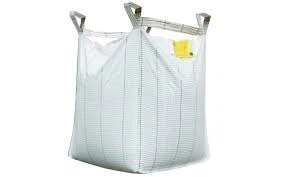
What is the shear strength of paper - plastic composite flat open bags?
As a supplier of Paper - plastic Composite Flat Open Bags, I've often been asked about the shear strength of these products. Shear strength is a crucial property when it comes to the performance and reliability of packaging materials, especially for bags that are used to hold various goods.
Understanding Shear Strength
Shear strength refers to the maximum amount of shear stress that a material can withstand before it fails. In the context of paper - plastic composite flat open bags, shear stress occurs when two parts of the bag are forced to slide past each other in opposite directions. This can happen during handling, transportation, or when the bag is subjected to external forces.
For example, when a stack of bags is moved on a conveyor belt, the bags may experience shear forces as they rub against each other or the surface of the conveyor. If the shear strength of the bag material is too low, the bag may tear or separate at the seams, leading to product spillage and potential damage to the contents.
Factors Affecting the Shear Strength of Paper - Plastic Composite Flat Open Bags
- Material Composition
The paper - plastic composite material is made up of layers of paper and plastic films. The type and quality of the paper and plastic used can significantly affect the shear strength. High - quality kraft paper provides good tensile strength, while polyethylene or polypropylene films add flexibility and moisture resistance. A well - bonded combination of these materials can result in a bag with high shear strength.
For instance, if the plastic film has a high molecular weight and good adhesion to the paper, it can enhance the overall shear resistance of the bag. On the other hand, using low - quality paper or a poorly bonded plastic layer may lead to a weaker bag. - Lamination Process
The process of laminating the paper and plastic layers is also critical. A proper lamination ensures a strong bond between the layers, which in turn increases the shear strength. Factors such as temperature, pressure, and the type of adhesive used during lamination can all impact the quality of the bond.
If the lamination temperature is too low, the adhesive may not fully cure, resulting in a weak bond. Conversely, if the temperature is too high, it may damage the paper or plastic materials. Similarly, insufficient pressure during lamination can lead to delamination, reducing the shear strength of the bag. - Bag Design and Sealing
The design of the bag, including the shape and size, can affect its shear strength. A well - designed bag with proper seam construction and sealing techniques can distribute the shear forces evenly across the bag. For example, a flat open bag with reinforced seams is more likely to withstand shear stress compared to a bag with simple, non - reinforced seams.
The type of sealing used, such as heat sealing or adhesive sealing, also plays a role. Heat sealing can create a strong, continuous bond between the layers, while adhesive sealing may be more suitable for certain applications depending on the materials and the required strength.
Measuring the Shear Strength of Paper - Plastic Composite Flat Open Bags
There are several standard testing methods available to measure the shear strength of materials. One common method is the shear test, where a sample of the bag material is placed between two fixtures and a force is applied parallel to the surface of the material until it fails. The maximum force required to cause failure is then recorded as the shear strength.
These tests are usually conducted in a laboratory environment using specialized testing equipment. The results can provide valuable information about the quality and performance of the bag material, allowing us to make adjustments to the manufacturing process if necessary.


Importance of Shear Strength in Different Applications
- Industrial Applications
In industrial settings, paper - plastic composite flat open bags are often used to package heavy or abrasive materials such as chemicals, minerals, and construction materials. These materials can exert significant shear forces on the bags during handling and transportation. A bag with high shear strength is essential to prevent product leakage and ensure the safety of workers and the environment.
For example, when packaging cement, the bags are subjected to rough handling on construction sites. If the shear strength of the bag is not sufficient, the bag may tear, leading to dust emissions and potential health hazards. - Food Packaging
In the food industry, paper - plastic composite flat open bags are used to package a variety of products, including grains, snacks, and dry foods. The shear strength of the bags is important to maintain the integrity of the package and protect the food from contamination.
A bag with low shear strength may be more prone to punctures and tears, allowing moisture, air, and pests to enter the package. This can lead to spoilage of the food and a shorter shelf life.
Our Product Range and Shear Strength
As a supplier, we offer a wide range of Paper - plastic Composite Flat Open Bags with different specifications to meet the diverse needs of our customers. We ensure that all our bags are manufactured using high - quality materials and advanced production processes to achieve optimal shear strength.
In addition to our flat open bags, we also provide other types of paper - plastic composite bags, such as Paper - plastic Composite Square Bottom M - fold Bag, Paper - plastic Composite M - fold Valve Bag, and Paper - plastic Composite Printed Bag. These bags are also designed with high shear strength in mind to ensure reliable performance in various applications.
Contact Us for Procurement
If you are interested in our Paper - plastic Composite Flat Open Bags or any of our other products, we encourage you to contact us for a detailed discussion. Our team of experts is ready to assist you in selecting the right bag for your specific needs and provide you with competitive pricing and excellent service. Whether you are a small business or a large corporation, we are committed to meeting your packaging requirements with high - quality products.
References
- ASTM International. (Year). Standard test methods for shear strength of plastics.
- TAPPI (Technical Association of the Pulp and Paper Industry). (Year). Testing standards for paper and paper - based products.
- Packaging Machinery Manufacturers Institute (PMMI). (Year). Guidelines for packaging materials and their performance.