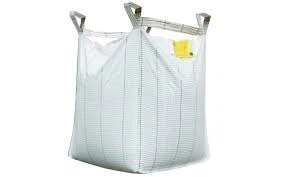
As a supplier of Multi-layer Kraft Paper Tear-open Bags, I'm excited to share with you the detailed production process of these highly useful packaging solutions. Multi-layer kraft paper tear-open bags are widely used in various industries due to their strength, durability, and ease of use. In this blog, I'll take you through each step of the production process, from raw material selection to the final product.
Raw Material Selection
The first and most crucial step in the production of multi-layer kraft paper tear-open bags is the selection of raw materials. Kraft paper is the primary material used, known for its high strength and tear resistance. It is made from wood pulp, typically from softwood trees such as pine or spruce. The quality of the kraft paper directly affects the performance of the final bag.
We source high-quality kraft paper from trusted suppliers. The paper is usually multi-layered, which provides additional strength and durability. Each layer may have different properties, such as different levels of smoothness or porosity, to meet specific requirements. For example, the outer layer may be smoother for better printing, while the inner layer may be more porous to allow for better adhesion of coatings or laminates.
Paper Coating and Laminating
Once the kraft paper is selected, it may undergo coating and laminating processes. Coating is used to improve the paper's properties, such as water resistance, grease resistance, or printability. A common coating is polyethylene (PE), which provides a waterproof barrier. The PE coating is applied to the paper using a coating machine, which spreads a thin layer of molten PE onto the paper surface.
Laminating involves bonding two or more layers of paper or other materials together. This can enhance the strength and durability of the bag. For example, a layer of plastic film may be laminated to the kraft paper to provide additional protection against moisture and oxygen. The laminating process is typically carried out using an adhesive, which is applied between the layers and then pressed together under heat and pressure.
Printing
Printing is an important step in the production of multi-layer kraft paper tear-open bags, as it allows for branding, product information, and instructions to be displayed on the bag. There are several printing methods available, including flexographic printing, gravure printing, and digital printing.
Flexographic printing is a popular choice for large-scale production. It uses a flexible printing plate with raised images to transfer ink onto the paper. This method is relatively inexpensive and can produce high-quality prints at high speeds. Gravure printing, on the other hand, uses a cylinder with engraved cells to hold the ink. It is known for its high-resolution prints and is often used for high-end packaging. Digital printing is a more recent technology that allows for variable data printing, such as personalized labels or barcodes. It is suitable for small-scale production or short runs.
Bag Making
After the paper has been coated, laminated, and printed, it is ready for the bag-making process. The first step in bag making is cutting the paper into the appropriate size and shape. This is usually done using a cutting machine, which can cut the paper with high precision.
Next, the paper is folded and glued to form the bag. The folding process may involve creating folds for the bottom, sides, and top of the bag. The glue is applied to the appropriate areas to hold the folds in place. Some bags may also have a tear-open feature, which is created by perforating the paper along a specific line. This allows the bag to be easily opened by the consumer.
Quality Control
Quality control is an essential part of the production process to ensure that the multi-layer kraft paper tear-open bags meet the required standards. At each stage of production, samples are taken and tested for various properties, such as strength, tear resistance, print quality, and adhesion.
For example, the strength of the bag can be tested using a tensile testing machine, which measures the force required to break the bag. The tear resistance can be tested using a tear tester, which measures the force required to tear the paper. Print quality is inspected visually to ensure that the colors are accurate and the images are sharp. Adhesion is tested by checking the bond strength between the layers of paper or the coating and the paper.
Packaging and Shipping
Once the bags have passed the quality control tests, they are ready for packaging and shipping. The bags are usually packed in bundles or cartons, depending on the size and quantity. The packaging is designed to protect the bags during transportation and storage.
We offer a variety of packaging options to meet the specific needs of our customers. For example, we can provide custom packaging with the customer's logo or branding. We also offer different shipping options, such as air freight, sea freight, or express delivery, to ensure that the bags are delivered to the customer in a timely manner.
Conclusion
The production process of multi-layer kraft paper tear-open bags is a complex and multi-step process that requires careful attention to detail. From raw material selection to the final product, each stage plays a crucial role in ensuring the quality and performance of the bag.


As a supplier of Multi-layer Kraft Paper Tear-open Bag, we are committed to providing our customers with high-quality products at competitive prices. We use the latest technology and equipment to ensure that our bags meet the highest standards of quality and performance.
If you are interested in purchasing multi-layer kraft paper tear-open bags or other packaging solutions, such as Multi-layer Kraft Paper M-fold Open Bag or Multi-layer Kraft Paper Square Bottom Flat Bag, please feel free to contact us for a quote. We look forward to working with you and providing you with the best packaging solutions for your needs.
References
- Packaging Machinery Manufacturers Institute. (n.d.). Packaging Machinery Technology. Retrieved from [Website URL]
- Smith, J. (2018). The Art of Packaging Design. New York: ABC Publishing.
- Wilson, A. (2019). Sustainable Packaging Solutions. London: XYZ Press.