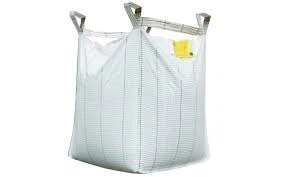
Moisture resistance is a critical factor when it comes to food grade kraft paper packaging bags. As a leading supplier of Food Grade Kraft Paper Packaging Bag, I have witnessed firsthand the importance of this characteristic in maintaining the quality and safety of food products. In this blog post, I will delve into the concept of moisture resistance in food grade kraft paper packaging bags, exploring its significance, the factors that influence it, and the methods used to enhance it.
Significance of Moisture Resistance
Moisture can have a detrimental impact on food products. It can lead to the growth of mold and bacteria, which can cause spoilage and pose a health risk to consumers. Additionally, moisture can affect the texture, flavor, and nutritional value of food. For example, dry foods such as cereals, snacks, and coffee can become stale and lose their crunchiness when exposed to moisture. On the other hand, moist foods like fresh produce and meats can develop a slimy texture and an unpleasant odor.
Food grade kraft paper packaging bags are designed to protect food products from moisture and other environmental factors. By providing a barrier against moisture, these bags help to extend the shelf life of food, preserve its quality, and maintain its safety. This is particularly important for food products that are sensitive to moisture, such as those with a high fat or sugar content, or those that are prone to oxidation.
Factors Influencing Moisture Resistance
Several factors can influence the moisture resistance of food grade kraft paper packaging bags. These include the type of kraft paper used, the thickness of the paper, the presence of coatings or laminations, and the environmental conditions in which the bags are stored and used.
Type of Kraft Paper
Kraft paper is a type of paper made from wood pulp that has been treated with a chemical process to remove lignin and other impurities. There are two main types of kraft paper: bleached and unbleached. Bleached kraft paper is white in color and has a smooth surface, while unbleached kraft paper is brown in color and has a more natural, rustic appearance.
Unbleached kraft paper is generally more moisture-resistant than bleached kraft paper because it contains more lignin, which is a natural polymer that provides a barrier against moisture. However, bleached kraft paper is often preferred for food packaging applications because it is more aesthetically pleasing and has a higher brightness and whiteness.
Thickness of the Paper
The thickness of the kraft paper used in food grade packaging bags can also affect its moisture resistance. Thicker paper generally provides a better barrier against moisture than thinner paper because it has more layers of fibers to resist the penetration of water vapor. However, thicker paper can also be more expensive and less flexible than thinner paper, which can make it more difficult to use in certain packaging applications.


Coatings and Laminations
Coatings and laminations can be applied to the surface of kraft paper to enhance its moisture resistance. Coatings are thin layers of material that are applied to the paper using a variety of methods, such as spraying, dipping, or rolling. Laminations, on the other hand, involve bonding two or more layers of material together using an adhesive.
Common coatings used in food grade kraft paper packaging bags include wax, polyethylene, and polypropylene. Wax coatings provide a good barrier against moisture and are often used for packaging products that are sensitive to moisture, such as cheese, meat, and bakery items. Polyethylene and polypropylene coatings are also effective at preventing moisture from entering the bag and are commonly used for packaging dry foods, such as cereals, snacks, and coffee.
Laminations can also be used to improve the moisture resistance of kraft paper packaging bags. For example, a layer of aluminum foil can be laminated to the kraft paper to provide a barrier against moisture, oxygen, and light. This type of lamination is often used for packaging products that are sensitive to oxidation, such as coffee, tea, and spices.
Environmental Conditions
The environmental conditions in which food grade kraft paper packaging bags are stored and used can also affect their moisture resistance. High humidity levels can increase the amount of moisture in the air, which can cause the bags to absorb moisture and lose their effectiveness as a barrier. Additionally, exposure to extreme temperatures can cause the paper to expand and contract, which can lead to cracks and tears in the bag.
To ensure the moisture resistance of food grade kraft paper packaging bags, it is important to store them in a cool, dry place and to avoid exposing them to high humidity levels and extreme temperatures. Additionally, it is important to handle the bags carefully to avoid damaging them, as even small tears or punctures can compromise their ability to protect the food product from moisture.
Methods for Enhancing Moisture Resistance
There are several methods that can be used to enhance the moisture resistance of food grade kraft paper packaging bags. These include using a higher quality kraft paper, increasing the thickness of the paper, applying coatings or laminations, and using desiccants.
Using a Higher Quality Kraft Paper
As mentioned earlier, unbleached kraft paper is generally more moisture-resistant than bleached kraft paper. Therefore, using a higher quality unbleached kraft paper can help to improve the moisture resistance of the packaging bags. Additionally, some kraft papers are treated with special chemicals or additives to enhance their moisture resistance. These papers are often referred to as "moisture-resistant kraft paper" or "waterproof kraft paper."
Increasing the Thickness of the Paper
Increasing the thickness of the kraft paper used in the packaging bags can also improve their moisture resistance. Thicker paper has more layers of fibers to resist the penetration of water vapor, which can help to keep the food product dry. However, as mentioned earlier, thicker paper can also be more expensive and less flexible than thinner paper, so it is important to balance the need for moisture resistance with the cost and functionality of the packaging.
Applying Coatings or Laminations
Applying coatings or laminations to the surface of the kraft paper is one of the most effective ways to enhance its moisture resistance. As mentioned earlier, common coatings used in food grade kraft paper packaging bags include wax, polyethylene, and polypropylene. These coatings provide a barrier against moisture and can help to keep the food product dry.
Laminations can also be used to improve the moisture resistance of kraft paper packaging bags. For example, a layer of aluminum foil can be laminated to the kraft paper to provide a barrier against moisture, oxygen, and light. This type of lamination is often used for packaging products that are sensitive to oxidation, such as coffee, tea, and spices.
Using Desiccants
Desiccants are substances that absorb moisture from the air. They can be used in food grade kraft paper packaging bags to help keep the food product dry. Common desiccants used in food packaging include silica gel, activated carbon, and calcium chloride.
Silica gel is a porous material that can absorb up to 40% of its weight in moisture. It is often used in small sachets or packets and is commonly found in packaging for electronic devices, pharmaceuticals, and food products. Activated carbon is another type of desiccant that can absorb moisture and other impurities from the air. It is often used in packaging for products that are sensitive to odors, such as coffee, tea, and spices. Calcium chloride is a hygroscopic salt that can absorb large amounts of moisture from the air. It is often used in packaging for products that are stored in high humidity environments, such as fresh produce and meats.
Conclusion
Moisture resistance is a critical factor when it comes to food grade kraft paper packaging bags. By providing a barrier against moisture, these bags help to extend the shelf life of food, preserve its quality, and maintain its safety. Several factors can influence the moisture resistance of these bags, including the type of kraft paper used, the thickness of the paper, the presence of coatings or laminations, and the environmental conditions in which the bags are stored and used.
As a supplier of Food Grade Kraft Paper Packaging Bag, I am committed to providing high-quality packaging solutions that meet the needs of my customers. Whether you are looking for a packaging solution for Kraft Paper Packaging Bag for Chemical Powder Materials or Kraft Paper Packaging Bag for Food Additives, I can help you find the right product for your needs.
If you are interested in learning more about our food grade kraft paper packaging bags or would like to discuss your specific packaging requirements, please feel free to contact me. I would be happy to answer any questions you may have and to provide you with a quote for your project.
References
- "Kraft Paper Packaging: Types, Uses, and Benefits." Packaging Digest, 2023.
- "Moisture Resistance in Packaging: Why It Matters and How to Achieve It." Packaging World, 2023.
- "Food Packaging: Principles and Practice." Second Edition, by Yam, K.L., and Lee, S.-Y., 2013.