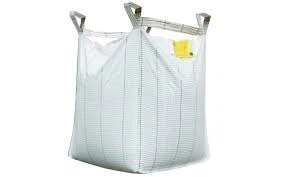
Hey there! As a supplier of paper - plastic composite packaging bags, I'm super excited to walk you through the manufacturing process of these awesome bags.
1. Raw Material Selection
First things first, picking the right raw materials is crucial. For paper, we usually go for high - quality kraft paper. Kraft paper is tough and has great tear resistance, which is perfect for packaging. It's made from wood pulp and has a natural brown color.
On the plastic side, we commonly use polyethylene (PE). PE is a versatile plastic known for its flexibility, water resistance, and durability. There are different types of PE, like low - density polyethylene (LDPE) and high - density polyethylene (HDPE). LDPE is more flexible and stretchy, while HDPE is stiffer and stronger. We choose the type based on the specific requirements of the packaging bag.
2. Lamination
Once we've got our raw materials, the next step is lamination. Lamination is the process of bonding the paper and plastic layers together.
We use a special adhesive to stick the paper and plastic. There are two main methods of lamination: dry lamination and extrusion lamination.
In dry lamination, we first apply the adhesive to the paper or plastic film. Then, we let it dry to a certain extent. After that, we press the paper and plastic together under high pressure. This method gives a strong bond between the layers.
Extrusion lamination is a bit different. Here, we melt the plastic resin and extrude it between the paper layers. The heat from the molten plastic helps it bond with the paper. This method is often used when we need a thicker plastic layer or when we want a more continuous and seamless bond.
3. Printing
After lamination, it's time to add some cool designs and information to the bags. Printing on paper - plastic composite bags can be done using different techniques.
Flexographic printing is a popular choice. It's a fast and cost - effective method. In flexographic printing, we use a flexible printing plate with raised images. The ink is transferred from the plate to the bag surface. We can print multiple colors and create detailed designs.
Gravure printing is another option. It gives high - quality, sharp images. In gravure printing, the image is engraved onto a cylinder. The ink is then transferred from the engraved areas to the bag. This method is great for large - scale production and for achieving a very professional look.
4. Cutting
Once the bags are printed, we need to cut them into the right size and shape. We use cutting machines that are programmed to make precise cuts.
There are different cutting patterns depending on the type of bag we're making. For example, if we're making Paper - plastic Composite Crepe Paper Sewn Bottom Bag, the cutting pattern will be designed to create the crepe effect and the sewn bottom.
For Paper - plastic Composite Flat Open Bag, we'll cut the laminated material into a flat rectangle with open ends.
And for Paper - plastic Composite M - fold Open Bag, the cutting pattern will include the M - fold shape.
5. Sealing and Finishing
After cutting, we need to seal the bags. Sealing is important to keep the contents inside and to ensure the bag's integrity.
There are different sealing methods. Heat sealing is the most common one. We use heat to melt the plastic layer and bond the edges together. This creates a strong and air - tight seal.
We also do some finishing touches. For example, we might add handles to the bags if needed. Handles can be made of the same paper - plastic composite material or from a different material like nylon.
6. Quality Control
Throughout the manufacturing process, we have strict quality control measures in place.
We check the raw materials for quality before using them. We look at things like the strength of the paper, the thickness of the plastic, and the quality of the adhesive.
During lamination, we monitor the bonding process to make sure the layers are properly attached. We also check for any bubbles or uneven bonding.
After printing, we inspect the printed images for clarity, color accuracy, and any smudging.
When it comes to cutting and sealing, we check the dimensions of the bags and the quality of the seals. We make sure the bags are strong enough to hold the intended contents without breaking or leaking.
Why Choose Our Paper - Plastic Composite Packaging Bags
Our paper - plastic composite packaging bags have a bunch of great features. They're strong and durable, which means they can protect your products during storage and transportation.


The paper layer gives a natural and eco - friendly look, while the plastic layer provides water resistance and protection against moisture.
We can customize the bags according to your needs. Whether you need a specific size, shape, or design, we've got you covered.
Let's Connect!
If you're interested in our paper - plastic composite packaging bags, we'd love to have a chat. We can discuss your specific requirements and find the best solution for your business. Whether you're in the food industry, the chemical industry, or any other sector that needs reliable packaging, we're here to help.
Get in touch with us and let's start a great partnership!
References
- Packaging Technology Handbook, various authors
- Plastics in Packaging, by John Crawford
- Paper and Board Packaging: Materials, Processes, and Technology, by Peter Van de Velde