Are Top Lift Bulk Bags easy to stack?
As a supplier of Top Lift Bulk Bags, I often get asked about the stackability of these bags. Stacking is a crucial aspect in many industries, especially those dealing with bulk materials. It not only maximizes storage space but also ensures efficient handling and transportation. In this blog, I will delve into the factors that determine the ease of stacking Top Lift Bulk Bags and compare them with Bottom Lift Bulk Bags.
Design Features of Top Lift Bulk Bags
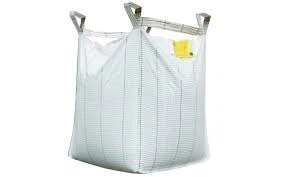
Top Lift Bulk Bags, also known as FIBCs (Flexible Intermediate Bulk Containers), are designed with specific features that influence their stackability. These bags typically have lifting loops at the top, which are used for hoisting and moving the bags. The design of these loops is important as it affects the stability of the bag during lifting and stacking.
One of the key design elements is the shape of the bag. Most Top Lift Bulk Bags are rectangular or square in shape, which provides a flat surface for stacking. This flat surface allows the bags to be stacked neatly on top of each other without much risk of toppling over. Additionally, the corners of the bags are often reinforced to prevent tearing and ensure the integrity of the bag during stacking.
Another important feature is the material used in the construction of the bag. High - quality woven polypropylene is commonly used, which is strong and durable. This material can withstand the weight of multiple bags stacked on top of each other without deforming or breaking. The thickness of the material also plays a role in stackability. Thicker materials are generally more resistant to punctures and can support more weight.
Factors Affecting Stackability
Load Distribution
Proper load distribution is essential for the stackability of Top Lift Bulk Bags. When the contents of the bag are evenly distributed, the weight is spread out across the entire surface of the bag. This helps to maintain the stability of the bag when it is stacked. Uneven load distribution can cause the bag to tilt or shift, increasing the risk of a stack collapse.
For example, if a bag is filled more on one side than the other, it will create an imbalance. When this bag is stacked on top of others, the imbalance can cause the entire stack to become unstable. Therefore, it is important to ensure that the material is loaded evenly into the bag during the filling process.
Bag Size and Dimensions
The size and dimensions of the Top Lift Bulk Bag also impact its stackability. Larger bags may be more difficult to stack due to their increased weight and volume. However, if the bags are designed with proper proportions, they can still be stacked effectively.
For instance, if the height - to - width ratio of the bag is too large, it may be more prone to tipping over. On the other hand, bags with a more square - like shape are generally more stable when stacked. It is also important to consider the size of the storage area. If the storage space is limited, smaller bags may be more suitable for stacking.
Stacking Pattern
The way the bags are stacked can significantly affect their stability. There are several common stacking patterns, such as the block stack and the pyramid stack.


In a block stack, the bags are stacked directly on top of each other in a straight column. This pattern is simple and efficient, but it requires a flat and stable surface. The pyramid stack, on the other hand, involves staggering the bags in a pyramid - like shape. This pattern provides more stability as the weight is distributed over a larger area.
Comparison with Bottom Lift Bulk Bags
Bottom Lift Bulk Bags Bottom Lift Bulk Bag have a different design compared to Top Lift Bulk Bags. Instead of having lifting loops at the top, they are designed to be lifted from the bottom.
One advantage of Bottom Lift Bulk Bags in terms of stacking is that they can be more stable in some cases. Since the lifting mechanism is at the bottom, the center of gravity of the bag is lower, which can reduce the risk of tipping. However, Bottom Lift Bulk Bags may be more difficult to load and unload compared to Top Lift Bulk Bags.
Top Lift Bulk Bags Top Lift Bulk Bag, on the other hand, are generally easier to handle during the filling and emptying process. The top - lift design allows for easy access to the bag's contents, and they can be quickly attached to a lifting device. In terms of stackability, if the design and loading are done correctly, Top Lift Bulk Bags can be stacked just as effectively as Bottom Lift Bulk Bags.
Tips for Stacking Top Lift Bulk Bags
- Inspect the Bags: Before stacking, carefully inspect each bag for any signs of damage or wear. Damaged bags should not be stacked as they can compromise the stability of the entire stack.
- Use a Stable Surface: Ensure that the surface on which the bags are stacked is flat, level, and able to support the weight of the stack. Uneven surfaces can cause the bags to shift and collapse.
- Follow the Recommended Stacking Height: Each type of Top Lift Bulk Bag has a recommended maximum stacking height. Exceeding this height can increase the risk of a stack collapse.
- Maintain a Clear Aisle: Leave a clear aisle between stacks to allow for easy access and to prevent the spread of damage in case of a stack collapse.
Conclusion
In conclusion, Top Lift Bulk Bags can be easy to stack if the design, load distribution, and stacking pattern are carefully considered. Their design features, such as the flat surface and reinforced corners, contribute to their stackability. While they may face some challenges compared to Bottom Lift Bulk Bags, with proper handling and stacking techniques, they can be a reliable solution for storing and transporting bulk materials.
If you are in the market for high - quality Top Lift Bulk Bags and are interested in discussing your specific requirements, we would be more than happy to assist you. Our team of experts can provide you with detailed information and help you choose the right bags for your needs.
References
- Industry standards for FIBCs
- Research on bulk bag design and stackability