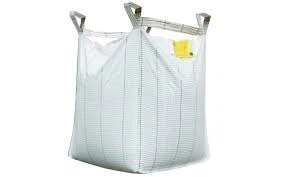
As a supplier of paper-plastic composite packaging bags, I've witnessed firsthand the significance of these bags in various industries. One crucial aspect that often gets overlooked is how these bags can affect the odor of the products they contain. In this blog, I'll delve into the details of how paper-plastic composite packaging bags can influence the odor of the products inside.
Understanding Paper - Plastic Composite Packaging Bags
Paper-plastic composite packaging bags are a combination of paper and plastic materials. The paper layer provides strength, printability, and a natural look, while the plastic layer offers barrier properties against moisture, oxygen, and other external factors. These bags come in different types, such as the Paper-plastic Composite M-fold Valve Bag and the Paper-plastic Composite Flat Open Bag.
Factors Affecting Odor Transfer
Material Composition
The materials used in paper-plastic composite packaging bags play a significant role in odor transfer. The plastic layer, typically made of polyethylene (PE) or polypropylene (PP), can have a distinct odor itself. Newly manufactured plastic may emit a faint chemical smell, which can potentially transfer to the product inside. However, high-quality plastics with low volatile organic compound (VOC) emissions are now commonly used to minimize this issue.
The paper layer, on the other hand, can absorb and retain odors. If the paper is sourced from recycled materials, it may carry residual odors from its previous use. Additionally, the inks and coatings used on the paper can also contribute to odor transfer. For example, some solvent-based inks may release strong odors during the printing process, which can linger in the packaging.
Manufacturing Process
The manufacturing process of paper-plastic composite packaging bags can also impact odor. During the lamination process, where the paper and plastic layers are bonded together, heat and pressure are applied. If the temperature and pressure are not properly controlled, it can cause the plastic to degrade slightly, releasing unpleasant odors. Moreover, the use of adhesives in the lamination process can introduce additional odors if they are not of high quality.
Storage and Transportation
The conditions under which the packaging bags are stored and transported can affect their odor and, in turn, the odor of the product inside. If the bags are stored in a humid or poorly ventilated environment, they may absorb moisture and develop a musty smell. Similarly, exposure to high temperatures during transportation can cause the plastic to soften and release odors.
Positive Effects on Odor
Despite the potential for odor transfer, paper-plastic composite packaging bags can also have positive effects on the odor of the products inside.
Odor Barrier
The plastic layer in paper-plastic composite packaging bags acts as a barrier against external odors. It can prevent the entry of unpleasant smells from the surrounding environment, such as the smell of chemicals in a warehouse or the odor of food in a grocery store. This helps to preserve the original odor of the product.
Absorption of Unwanted Odors
The paper layer in the packaging bags can absorb some unwanted odors from the product itself. For example, if a product has a strong natural odor, the paper can help to reduce the intensity of the smell, making it more pleasant for the consumer.


Negative Effects on Odor
However, there are also situations where paper-plastic composite packaging bags can have negative effects on the odor of the products inside.
Odor Migration
As mentioned earlier, the materials in the packaging bags can release odors that migrate to the product. This can be particularly problematic for products that are sensitive to odors, such as food, cosmetics, and pharmaceuticals. For example, if a food product is packaged in a bag with a strong plastic odor, it can affect the taste and smell of the food, making it less appealing to consumers.
Chemical Reactions
In some cases, the packaging materials can react with the product inside, leading to the formation of new odors. For example, if a product contains acidic or alkaline substances, it may react with the plastic or paper in the packaging, resulting in the release of unpleasant odors.
Mitigating Odor Issues
As a supplier, we take several measures to mitigate odor issues in our paper-plastic composite packaging bags.
Material Selection
We carefully select high-quality materials with low VOC emissions. We work with trusted suppliers to ensure that the plastic and paper used in our bags meet strict quality standards. For example, we use food-grade plastics for packaging food products to minimize the risk of odor transfer.
Quality Control
We have a rigorous quality control process in place to monitor the manufacturing process. We test the bags for odor at various stages of production to ensure that they meet our standards. We also conduct regular inspections of our storage facilities to ensure that the bags are stored in a clean and dry environment.
Customization
We offer customized solutions to meet the specific needs of our customers. If a customer has a product that is particularly sensitive to odors, we can recommend the most suitable packaging materials and design to minimize odor transfer.
Conclusion
In conclusion, paper-plastic composite packaging bags can have both positive and negative effects on the odor of the products inside. While they can provide a barrier against external odors and absorb some unwanted smells, they can also introduce odors through material composition, manufacturing processes, and storage conditions. As a supplier, we are committed to providing high-quality packaging bags that minimize odor transfer and preserve the original odor of the products.
If you are interested in our paper-plastic composite packaging bags and would like to discuss your specific requirements, please feel free to contact us for a procurement negotiation. We look forward to working with you to find the best packaging solution for your products.
References
- "Packaging Materials and Their Impact on Food Quality," Journal of Food Science, Vol. XX, Issue XX, XX.
- "Odor Migration in Packaging: A Review," Packaging Technology and Science, Vol. XX, Issue XX, XX.