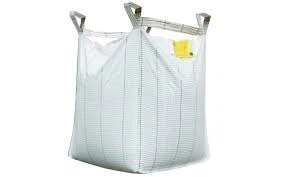
Hey there! As a supplier of Lined Paper - plastic Composite Packaging Bags, I often get asked about the heat-sealing performance of our products. In this blog post, I'm gonna break down what heat - sealing performance is all about in the context of our lined paper - plastic composite packaging bags.
What is Heat-Sealing?
Let's start with the basics. Heat - sealing is a process where heat is applied to the sealing area of a packaging bag to melt the plastic layer. When the melted plastic cools down, it solidifies and forms a bond, effectively sealing the bag. This is a super important process in the packaging industry because it ensures that the contents of the bag stay inside and are protected from the outside environment, like moisture, dust, and contaminants.
Why is Heat-Sealing Performance Important for Lined Paper-plastic Composite Packaging Bags?
For our Lined Paper-plastic Composite Packaging Bags, Lined Paper-plastic Composite Packaging Bag, good heat-sealing performance is crucial. These bags are used for all sorts of things, from packaging food products to industrial goods. If the heat-seal doesn't hold up, the contents can spill out, or worse, get contaminated.
Take the food industry for an example. If the heat - seal on a bag of snacks isn't strong enough, air can get in, which can make the snacks go stale. In the case of industrial products, a weak seal can lead to the leakage of chemicals or powders, which can be a safety hazard.
Factors Affecting Heat-Sealing Performance
Plastic Layer Material
The type of plastic used in the lining of our paper - plastic composite bags has a huge impact on heat-sealing performance. Different plastics have different melting points and sealing characteristics. For instance, polyethylene (PE) is a commonly used plastic for lining our bags because it has a relatively low melting point and good heat - sealability. It can form a strong seal at a lower temperature, which is great because it reduces the risk of damaging the paper layer.


Sealing Temperature
The temperature at which the heat-sealing process takes place is another critical factor. If the temperature is too low, the plastic won't melt enough to form a proper seal. On the other hand, if it's too high, the plastic can over - melt, causing it to seep out of the sealing area or even damage the paper layer. We've done a lot of testing to find the optimal sealing temperature for our different types of Lined Paper-plastic Composite Packaging Bags.
Sealing Pressure
Pressure is also key. When heat is applied to the plastic layer, the sealing jaws need to apply enough pressure to make sure the melted plastic sticks together firmly. If the pressure is too light, the seal might be weak. But if it's too heavy, it could crush the bag or cause the paper layer to tear.
Sealing Time
How long the heat and pressure are applied, known as the sealing time, is equally important. If the time is too short, the plastic may not fully bond. If it's too long, it can waste energy and potentially damage the bag.
Testing the Heat - Sealing Performance
We take the heat-sealing performance of our Lined Paper-plastic Composite Packaging Bag seriously. That's why we carry out a series of tests. One of the most common tests is the peel strength test. In this test, we try to peel apart the sealed area of the bag and measure the force required to do so. A higher peel strength indicates a stronger seal.
We also conduct a burst strength test. In this test, we fill the sealed bag with air or liquid until it bursts. This helps us understand how well the seal can withstand internal pressure.
Our Product Range and Heat - Sealing
We offer a variety of Lined Paper - plastic Composite Packaging Bags, each designed to meet different customer needs. For example, our Paper -plastic Composite Square Bottom M-fold Bag has unique folding and sealing requirements. We've optimized the heat - sealing process for these bags to ensure a strong and reliable seal along the folds and edges.
Another popular product is our Paper-plastic Composite M-fold Valve Bag. These bags are often used for packing powder materials, and a good heat - seal at the valve area is essential to prevent leakage. We've developed special sealing techniques for these bags to ensure they can handle the demands of powder packaging.
Comparing with Other Packaging Solutions
When compared to other packaging solutions like pure paper bags or plastic bags, our Lined Paper-plastic Composite Packaging Bags have some clear advantages in terms of heat - sealing. Pure paper bags don't have a plastic layer, so they can't be heat-sealed at all. This means they often rely on adhesives or stitching for closure, which may not be as reliable as a heat - seal.
Plastic bags, on the other hand, can have great heat - sealing performance. But our lined paper - plastic composite bags offer the added benefit of the paper layer, which provides better stiffness, printability, and a more natural look.
Conclusion
In conclusion, the heat - sealing performance of our Lined Paper-plastic Composite Packaging Bags is a result of careful consideration of various factors, including the material of the plastic layer, sealing temperature, pressure, and time. Through rigorous testing, we ensure that our bags meet the highest standards of heat - sealing quality.
Whether you're in the food industry, industrial manufacturing, or any other sector that requires reliable packaging, our Lined Paper-plastic Composite Packaging Bag could be the perfect solution for you. If you're interested in learning more about our products or starting a discussion about your packaging needs, don't hesitate to reach out. We're here to help you find the best packaging solution for your business.
References
- Packaging World Magazine, various issues on packaging technology and heat - sealing.
- Research papers on the properties of paper - plastic composite materials.