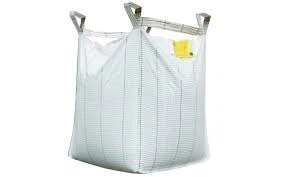
In the realm of modern packaging, paper-plastic composite packaging bags have emerged as a popular choice for a wide range of industries. These bags combine the natural and eco - friendly properties of paper with the durability and versatility of plastic, offering a balanced solution for product protection. One of the most critical aspects of their performance is the gas - barrier property. As a paper - plastic composite packaging bag supplier, I'd like to delve deep into this topic and explain its significance.
Understanding Gas - Barrier Performance
Gas - barrier performance refers to the ability of a packaging material to prevent the passage of gases such as oxygen, carbon dioxide, and water vapor. In the context of paper - plastic composite packaging bags, a high - quality gas - barrier is essential for maintaining the quality and freshness of the packaged products.
Oxygen is a well - known culprit in food spoilage. It can cause oxidation of fats, which leads to rancidity and a change in flavor. Additionally, oxygen can support the growth of aerobic microorganisms, such as mold and bacteria, which can shorten the shelf - life of products. For non - food items, oxygen can also cause damage. For example, in the case of electronic components, oxygen can lead to corrosion over time.
Carbon dioxide is another gas of concern, especially for products that rely on a specific gas composition for preservation. For instance, in the packaging of carbonated beverages, a good gas - barrier is required to prevent the escape of carbon dioxide, which would result in a flat and unappealing product.
Water vapor can cause a variety of problems as well. It can lead to the growth of mold, the softening of dry products, and the degradation of certain materials. In food packaging, excessive moisture can also lead to the loss of crispness in snacks or the spoilage of dried goods.
Factors Affecting the Gas - Barrier Performance of Paper - Plastic Composite Packaging Bags
Type of Plastic Layer
The plastic layer in paper - plastic composite packaging bags plays a crucial role in determining the gas - barrier performance. Different types of plastics have different gas - barrier properties. For example, polyethylene terephthalate (PET) has relatively good oxygen - barrier properties, while polyvinylidene chloride (PVDC) is known for its excellent barrier against oxygen, carbon dioxide, and water vapor. Ethylene vinyl alcohol (EVOH) is another high - performance gas - barrier plastic. It has extremely low permeability to oxygen, especially in dry conditions. However, its performance can be affected by high humidity, as it absorbs moisture, which can increase its gas permeability.
Thickness of the Plastic Layer
The thickness of the plastic layer also has a significant impact on the gas - barrier performance. Generally, a thicker plastic layer provides better gas - barrier properties. As the thickness increases, the path for gas molecules to travel through the plastic becomes longer, making it more difficult for them to permeate the material. However, increasing the thickness also adds to the cost and weight of the packaging, so a balance needs to be struck between performance and cost - effectiveness.
Quality of the Lamination Process
The lamination process, which bonds the paper and plastic layers together, is crucial for maintaining the integrity of the gas - barrier. A poor lamination can result in delamination, where the paper and plastic layers separate. This separation creates channels through which gases can easily penetrate the packaging. Additionally, air bubbles or voids in the lamination can also compromise the gas - barrier performance.
Coating and Additives
Some paper - plastic composite packaging bags may have additional coatings or additives to enhance their gas - barrier performance. For example, a thin layer of aluminum foil can be added as a barrier layer. Aluminum foil has excellent gas - and moisture - barrier properties, as it is virtually impermeable to gases and water vapor. However, it is also more expensive and less flexible than some other materials.


Measuring the Gas - Barrier Performance
There are several methods for measuring the gas - barrier performance of paper - plastic composite packaging bags. One common method is the oxygen transmission rate (OTR) test. This test measures the amount of oxygen that passes through a given area of the packaging material in a specific period under specified conditions of temperature and humidity. A lower OTR value indicates a better oxygen - barrier.
Similarly, the water vapor transmission rate (WVTR) test measures the amount of water vapor that permeates through the material. Like the OTR test, a lower WVTR value means better moisture - barrier performance.
Our Product Range and Gas - Barrier Performance
As a paper - plastic composite packaging bag supplier, we offer a variety of products with different gas - barrier capabilities to meet the diverse needs of our customers.
Our Paper - plastic Composite Tear - open Bag is designed for easy opening while still providing a reliable gas - barrier. It is suitable for a wide range of products, from snacks to small hardware items. The plastic layer in this bag is carefully selected to ensure good oxygen and moisture - barrier properties, which helps to keep the contents fresh and protected.
The Paper - plastic Composite Flat Open Bag is another popular option. It is often used for products that require a large opening for easy filling. We can customize the plastic layer in this bag according to the specific gas - barrier requirements of the product. Whether it's a high - oxygen - barrier for food products or a moisture - resistant barrier for dry goods, we can meet the needs.
Our Paper - plastic Composite M - fold Open Bag is known for its unique design, which provides a large storage capacity. The gas - barrier performance of this bag is optimized through a combination of high - quality plastic layers and a precise lamination process. This ensures that the products inside are well - protected from gas and moisture ingress.
Importance of Gas - Barrier Performance in Different Industries
Food Industry
In the food industry, the gas - barrier performance of packaging is of utmost importance. Consumers expect food products to be fresh, safe, and of high quality. A good gas - barrier in paper - plastic composite packaging bags can help food manufacturers meet these expectations. It can extend the shelf - life of products, reduce food waste, and maintain the taste and nutritional value of the food. For example, for perishable items like fresh meat and seafood, a high - performance gas - barrier packaging can prevent spoilage and keep the products in good condition for a longer time.
Pharmaceutical Industry
In the pharmaceutical industry, the gas - barrier performance is critical for ensuring the stability and efficacy of drugs. Many drugs are sensitive to oxygen, moisture, and light. A paper - plastic composite packaging bag with a good gas - barrier can protect drugs from these environmental factors, which helps to maintain their chemical and physical properties over time. This is essential for the safety and effectiveness of medications.
Cosmetics Industry
Cosmetics also require proper packaging to maintain their quality. Oxygen and moisture can cause the degradation of cosmetic products, such as the oxidation of oils in creams and the growth of bacteria in lotions. A paper - plastic composite packaging bag with a reliable gas - barrier can protect cosmetics from these issues, ensuring that they remain fresh and effective for a longer period.
Conclusion
The gas - barrier performance of paper - plastic composite packaging bags is a vital factor that affects the quality, shelf - life, and protection of a wide range of products. As a paper - plastic composite packaging bag supplier, we understand the importance of providing packaging solutions with excellent gas - barrier properties. Our diverse product range, including Paper - plastic Composite Tear - open Bag, Paper - plastic Composite Flat Open Bag, and Paper - plastic Composite M - fold Open Bag, is designed to meet the specific gas - barrier requirements of different industries.
If you are in need of high - quality paper - plastic composite packaging bags with excellent gas - barrier performance, we invite you to contact us for procurement and negotiation. We are committed to providing you with the best packaging solutions to meet your needs.
References
- Rooney, M. L. (1995). Principles of Packaging Technology. Chapman & Hall.
- Robertson, G. L. (2012). Food Packaging: Principles and Practice. CRC Press.
- Hernandez, R., & Gontard, N. (2011). Barrier Polymers for Packaging: Technological and Market Trends. Wiley - VCH.