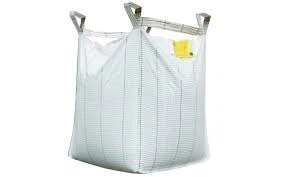
As a supplier of Paper - plastic Composite Tear - open Bags, I often encounter various technical inquiries from customers. One question that has piqued my interest recently is about the friction coefficient of these bags. In this blog, I'll delve into what the friction coefficient of paper - plastic composite tear - open bags is, why it matters, and how it impacts the performance of these bags.
Understanding the Friction Coefficient
The friction coefficient is a measure of the resistance to relative motion between two surfaces in contact. In the context of paper - plastic composite tear - open bags, it refers to the interaction between the bag's surface and other materials it comes into contact with, such as conveyor belts, storage shelves, or other bags during stacking.
There are two main types of friction coefficients: static and kinetic. The static friction coefficient is the force required to start moving an object at rest, while the kinetic friction coefficient is the force needed to keep the object moving at a constant speed. For paper - plastic composite tear - open bags, both coefficients play crucial roles in different stages of their lifecycle, from production to transportation and storage.
Factors Affecting the Friction Coefficient of Paper - plastic Composite Tear - open Bags
Material Composition
The materials used in paper - plastic composite tear - open bags significantly influence their friction coefficient. The paper layer, which is usually made of kraft paper, provides a certain level of roughness. The plastic layer, on the other hand, can vary in terms of its surface finish and chemical composition. For example, a high - density polyethylene (HDPE) plastic layer may have a different friction coefficient compared to a low - density polyethylene (LDPE) layer. The combination of these two materials creates a unique surface texture that affects the bag's friction characteristics.
Surface Treatment
Surface treatments such as coating or lamination can also alter the friction coefficient. A smooth coating can reduce friction, making the bags easier to slide on conveyor belts during the packaging process. Conversely, a textured or anti - slip coating can increase friction, which is beneficial for preventing bags from slipping during stacking and transportation.
Environmental Conditions
Temperature and humidity can have a substantial impact on the friction coefficient of paper - plastic composite tear - open bags. High humidity can cause the paper layer to absorb moisture, making it softer and increasing the friction. On the other hand, low humidity can make the bag's surface more brittle and potentially change its friction properties. Temperature variations can also affect the physical properties of the plastic layer, leading to changes in the friction coefficient.
Importance of the Friction Coefficient in Different Stages
Production
During the production process, a proper friction coefficient is essential for smooth operation on the packaging line. If the friction is too high, the bags may jam on the conveyor belts, causing production delays and increasing the risk of damage. If the friction is too low, the bags may not be properly aligned or held in place during filling and sealing operations. This can result in inconsistent filling levels and poor sealing quality.
Transportation
In transportation, the friction coefficient affects how the bags stack and move. Bags with a suitable friction coefficient are less likely to slide or shift during transit, reducing the risk of damage and spillage. For example, when bags are stacked on a truck, a higher friction coefficient between the bags can prevent them from toppling over during sudden stops or turns.
Storage
In storage facilities, the friction coefficient determines how well the bags can be stacked. Bags with an appropriate friction coefficient can be stacked stably, maximizing the use of storage space. A low friction coefficient may cause the bags to slide off the stack, while a very high friction coefficient may make it difficult to remove individual bags from the stack.
Measuring the Friction Coefficient of Paper - plastic Composite Tear - open Bags
There are several methods to measure the friction coefficient of these bags. One common method is the inclined plane method. In this method, a bag is placed on an inclined plane, and the angle at which the bag starts to slide is measured. The tangent of this angle is equal to the static friction coefficient.
Another method is the use of a friction tester. This device measures the force required to move a bag across a surface at a constant speed, allowing for the calculation of the kinetic friction coefficient. These measurements are crucial for ensuring that the bags meet the required standards for different applications.
Our Product Range and Friction Coefficient Considerations
As a supplier, we offer a wide range of paper - plastic composite tear - open bags, including Paper - plastic Composite Crepe Paper Sewn Bottom Bag, Paper - plastic Composite Printed Bag, and Paper - plastic Composite M - fold Valve Bag.


For each type of bag, we carefully consider the friction coefficient during the design and manufacturing process. We understand that different applications require different friction characteristics. For example, bags used in high - speed packaging lines may need a lower friction coefficient, while bags used for bulk storage may require a higher friction coefficient for better stacking stability.
Conclusion
The friction coefficient of paper - plastic composite tear - open bags is a critical factor that affects their performance throughout their lifecycle. By understanding the factors that influence the friction coefficient and measuring it accurately, we can ensure that our bags meet the specific needs of our customers.
If you are interested in our paper - plastic composite tear - open bags or have any questions about the friction coefficient or other technical aspects, please feel free to contact us for further discussion and potential procurement. We are committed to providing high - quality products that meet your requirements.
References
- ASTM D1894 - Standard Test Method for Static and Kinetic Coefficients of Friction of Plastic Film and Sheeting.
- ISO 8295 - Plastics - Film and sheeting - Determination of the coefficients of friction.
- TAPPI T816 om - 15 - Friction of Paper and Paperboard.