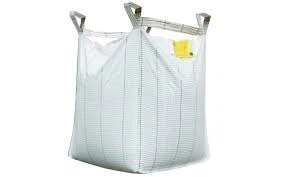
As a seasoned supplier of multi-layer kraft paper printed bags, I've witnessed firsthand the diverse folding methods that bring these versatile packaging solutions to life. In this blog, I'll delve into the intricacies of folding multi-layer kraft paper printed bags, exploring the various techniques and their applications.
Understanding Multi-layer Kraft Paper Printed Bags
Multi-layer kraft paper printed bags are a popular choice for packaging due to their strength, durability, and eco-friendliness. These bags are typically made from multiple layers of kraft paper, which are laminated or glued together to enhance their structural integrity. The outer layer of the bag can be printed with custom designs, logos, and information, making them an effective marketing tool for businesses.
The Importance of Folding Methods
The folding method used for multi-layer kraft paper printed bags plays a crucial role in determining their functionality, appearance, and ease of use. Different folding techniques can create bags with various shapes, sizes, and opening mechanisms, allowing them to meet the specific needs of different industries and applications.
Common Folding Methods for Multi-layer Kraft Paper Printed Bags
M-fold
The M-fold is a popular folding method for multi-layer kraft paper printed bags, especially those with a square bottom. This method involves folding the sides of the bag inwards to create an "M" shape, which provides additional stability and support to the bag. The M-fold also allows the bag to stand upright on its own, making it ideal for displaying products on shelves.
The Multi-layer Kraft Paper Square Bottom M-fold Bag is a prime example of a bag that utilizes the M-fold technique. This bag is commonly used for packaging food products, such as coffee beans, tea leaves, and snacks, as well as other items that require a stable and upright display.
Flat Valve Fold
The flat valve fold is another common folding method for multi-layer kraft paper printed bags, particularly those used for packaging powders, granules, and other dry products. This method involves creating a flat valve on one side of the bag, which allows for easy filling and sealing. The flat valve can be opened and closed multiple times, making it convenient for repeated use.
The Multi-layer Kraft Paper Flat Valve Bag and Multi-layer Kraft Paper Flat Valve Bag are both examples of bags that feature the flat valve fold. These bags are widely used in the agricultural, chemical, and construction industries for packaging fertilizers, pesticides, cement, and other dry materials.
Gusseted Fold
The gusseted fold is a versatile folding method that can be used to create bags with a wider opening and more interior space. This method involves folding the sides of the bag outwards to create a gusset, which expands when the bag is filled with products. The gusseted fold allows the bag to accommodate larger and bulkier items, making it suitable for packaging clothing, bedding, and other soft goods.
Rolled Fold
The rolled fold is a simple and cost-effective folding method that is commonly used for creating bags with a continuous roll of kraft paper. This method involves rolling the paper into a tube and then sealing the ends to create a bag. The rolled fold is ideal for packaging small items, such as candies, nuts, and small toys, as well as for creating custom-sized bags on demand.


Factors to Consider When Choosing a Folding Method
When choosing a folding method for multi-layer kraft paper printed bags, several factors should be taken into consideration, including:
Product Type
The type of product being packaged will determine the most suitable folding method. For example, products that require a stable and upright display, such as food items, may benefit from the M-fold. On the other hand, products that need to be filled and sealed easily, such as dry powders, may be better suited for the flat valve fold.
Bag Size and Shape
The size and shape of the bag will also influence the choice of folding method. Larger bags may require a more complex folding technique to ensure their structural integrity, while smaller bags may be able to use a simpler folding method. Additionally, the shape of the bag, such as square, rectangular, or circular, will determine the most appropriate folding method for achieving the desired appearance and functionality.
Printing Requirements
The printing requirements of the bag, such as the size, location, and complexity of the design, may also affect the choice of folding method. Some folding methods may be more compatible with certain printing techniques or may require additional steps to ensure that the design is printed correctly and evenly.
Cost
The cost of the folding method is another important factor to consider. Some folding methods may require more time, labor, and materials than others, which can increase the overall cost of the bag. It is important to balance the cost of the folding method with the desired functionality and appearance of the bag to ensure that the final product is both cost-effective and high-quality.
Conclusion
In conclusion, the folding method used for multi-layer kraft paper printed bags is a critical factor in determining their functionality, appearance, and suitability for different applications. By understanding the various folding techniques available and considering the specific needs of your product, you can choose the most appropriate folding method to create a bag that meets your requirements and enhances your brand image.
If you're interested in learning more about our multi-layer kraft paper printed bags or discussing your specific packaging needs, please don't hesitate to contact us. We're here to help you find the perfect packaging solution for your business.
References
- Packaging Machinery Manufacturers Institute (PMMI). (2023). Packaging Machinery Technology Roadmap.
- Smith, J. (2022). The Art of Packaging Design. New York: Design Press.
- Wilson, A. (2021). Sustainable Packaging Solutions for the 21st Century. London: Green Publishing.