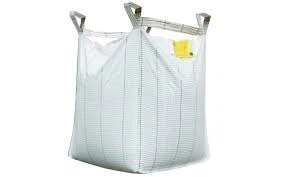
As a supplier of Paper - plastic Composite M - fold Valve Bags, I've had numerous discussions with clients about the environmental impact of these products. In this blog, I'll explore the various aspects of the environmental footprint of Paper - plastic Composite M - fold Valve Bags and how they compare to other packaging options.
Composition and Manufacturing Process
Paper - plastic Composite M - fold Valve Bags are made by combining paper and plastic materials. The paper component is typically sourced from wood pulp, which is a renewable resource if managed sustainably. Many paper mills follow strict forestry management practices to ensure the long - term viability of forests. On the other hand, the plastic component is usually made from polymers such as polyethylene or polypropylene. These plastics are derived from petrochemicals, which are non - renewable resources.
The manufacturing process of these bags involves several steps. First, the paper and plastic are laminated together. This lamination process often requires the use of adhesives, some of which may contain volatile organic compounds (VOCs). VOCs can contribute to air pollution and have potential health risks for workers in the manufacturing facilities and nearby communities. However, many modern manufacturers are switching to low - VOC or VOC - free adhesives to mitigate these environmental and health impacts.


Energy consumption is another significant factor in the manufacturing process. The production of paper involves processes like pulping, bleaching, and drying, all of which require a substantial amount of energy. Similarly, the production of plastic also demands a large amount of energy, mainly due to the high - temperature processes involved in polymer extrusion and molding.
Advantages in Terms of Environmental Impact
One of the key advantages of Paper - plastic Composite M - fold Valve Bags is their durability. These bags can withstand rough handling during transportation and storage, which means fewer bags are damaged and need to be replaced. This reduces the overall consumption of packaging materials. For example, compared to single - use paper bags, Paper - plastic Composite M - fold Valve Bags are less likely to tear or break, ensuring that the contents are well - protected throughout the supply chain.
Another advantage is their ability to provide a good barrier against moisture, oxygen, and light. This property helps to extend the shelf life of the products they contain. For instance, in the food industry, these bags can keep dry goods fresh for longer periods, reducing food waste. When less food is wasted, it also means that fewer resources are used in the production, transportation, and disposal of that wasted food.
The composite nature of these bags also allows for a more efficient use of materials. The paper provides a natural and renewable outer layer, while the plastic offers strength and barrier properties. This combination can potentially reduce the amount of each material needed compared to using either paper or plastic alone.
Disadvantages in Terms of Environmental Impact
The main environmental drawback of Paper - plastic Composite M - fold Valve Bags is their recyclability. The combination of paper and plastic makes it difficult to separate the two materials during the recycling process. Most recycling facilities are not equipped to handle composite materials effectively, which means that a large number of these bags end up in landfills.
In landfills, the plastic component of the bags does not biodegrade easily. It can take hundreds of years for plastics to break down, and during this time, they can release harmful chemicals into the soil and groundwater. The paper component, although biodegradable, may not decompose properly in a landfill environment due to the lack of oxygen and sunlight.
Another issue is the potential for microplastic pollution. Over time, as the bags degrade in the environment, the plastic component can break down into small particles known as microplastics. These microplastics can enter the soil, water bodies, and the food chain, posing a threat to wildlife and human health.
Comparison with Other Packaging Options
Let's compare Paper - plastic Composite M - fold Valve Bags with other similar packaging options.
Paper - plastic Composite Flat Valve Bag
The Paper - plastic Composite Flat Valve Bag shares many similarities with the M - fold Valve Bag in terms of composition and environmental impact. However, the flat design may require less material in some cases, which could potentially reduce the overall environmental footprint. But like the M - fold Valve Bag, it also faces challenges in terms of recyclability due to the composite nature of the materials.
Paper - plastic Composite Flat Open Bag
The Paper - plastic Composite Flat Open Bag is another option. It may be more suitable for products that need to be easily accessible. Similar to the other composite bags, it has the advantage of combining the properties of paper and plastic. However, its open design may make it less effective in protecting the contents from external factors, which could lead to more product waste and potentially more packaging waste if the products are damaged.
Paper - plastic Composite Crepe Paper Sewn Bottom Bag
The Paper - plastic Composite Crepe Paper Sewn Bottom Bag has a unique design with a sewn bottom. The crepe paper may add some flexibility and cushioning to the bag. In terms of environmental impact, it also suffers from the same recyclability issues as the other composite bags. However, the use of crepe paper may require more energy and resources during the manufacturing process compared to regular paper.
Mitigating the Environmental Impact
As a supplier, we are constantly looking for ways to reduce the environmental impact of our Paper - plastic Composite M - fold Valve Bags. One approach is to source materials from sustainable suppliers. For the paper component, we are working with suppliers who practice sustainable forestry and use recycled paper in their production. For the plastic component, we are exploring the use of biodegradable or compostable plastics.
We are also investing in research and development to improve the recyclability of our bags. This includes developing new lamination techniques that make it easier to separate the paper and plastic layers. Additionally, we are promoting the importance of proper waste management to our customers. By educating them on the correct disposal and recycling methods, we hope to increase the recycling rate of our products.
Conclusion
In conclusion, Paper - plastic Composite M - fold Valve Bags have both positive and negative environmental impacts. Their durability and ability to protect products can reduce overall resource consumption and food waste. However, their composite nature poses significant challenges in terms of recyclability, which can lead to increased landfill waste and potential microplastic pollution.
As a supplier, we are committed to addressing these environmental concerns. We believe that by working together with our customers, suppliers, and the wider industry, we can find sustainable solutions to minimize the environmental footprint of our products.
If you are interested in learning more about our Paper - plastic Composite M - fold Valve Bags or would like to discuss potential procurement opportunities, please feel free to reach out. We are always happy to engage in meaningful conversations and provide the best packaging solutions for your needs.
References
- "Packaging and the Environment: A Life - Cycle Perspective" by Frank P. van der Vorst and Arjan J. J. van der Goot
- "Environmental Impact of Plastic Packaging" by the European Commission's Joint Research Centre
- "Sustainable Forest Management: Principles and Practice" by David N. Wear and Jeffrey P. Greis