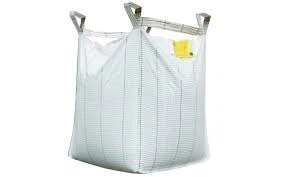
In the packaging industry, lined paper-plastic composite packaging bags have gained significant popularity due to their versatility and practicality. As a leading supplier of these innovative packaging solutions, I often encounter inquiries about their electrical insulation properties. In this blog post, I'll delve into the details of the electrical insulation characteristics of lined paper-plastic composite packaging bags, exploring their composition, performance, and applications.
Composition of Lined Paper-plastic Composite Packaging Bags
Lined paper-plastic composite packaging bags are typically composed of multiple layers, each serving a specific function. The outer layer is usually made of paper, which provides strength, printability, and a natural aesthetic appeal. The inner layer is a plastic film, such as polyethylene (PE) or polypropylene (PP), which offers excellent moisture resistance, barrier properties, and flexibility. The combination of paper and plastic creates a packaging solution that combines the best of both materials.


The plastic lining in these bags plays a crucial role in determining their electrical insulation properties. Plastic materials are generally good insulators because they have high resistivity, which means they do not allow electric current to flow easily through them. The specific type of plastic used and its thickness can significantly impact the bag's insulation performance.
Electrical Insulation Mechanism
The electrical insulation of lined paper-plastic composite packaging bags is based on the principle of preventing the flow of electric charge. When an electric field is applied to the bag, the plastic lining acts as a barrier, blocking the movement of electrons. The high resistivity of the plastic material restricts the flow of current, effectively insulating the contents of the bag from electrical interference.
The paper layer also contributes to the overall insulation performance to some extent. Paper is a poor conductor of electricity, and it can help to further reduce the risk of electrical leakage. Additionally, the paper layer provides mechanical support and protection to the plastic lining, ensuring its integrity and durability.
Factors Affecting Electrical Insulation Performance
Several factors can influence the electrical insulation performance of lined paper-plastic composite packaging bags. These include:
- Plastic Material: Different types of plastic have different electrical properties. For example, polyethylene has a relatively high resistivity and is a good insulator, while some other plastics may have lower resistivity and offer less insulation.
- Thickness of the Plastic Lining: Thicker plastic linings generally provide better electrical insulation. A thicker layer of plastic offers more resistance to the flow of electric current, reducing the risk of electrical breakdown.
- Moisture Content: Moisture can significantly affect the electrical insulation properties of the bag. Water is a conductor of electricity, and if the bag is exposed to high humidity or moisture, it can reduce the resistivity of the plastic lining and compromise its insulation performance.
- Temperature: Temperature can also impact the electrical insulation of the bag. At higher temperatures, the resistivity of the plastic material may decrease, leading to a reduction in insulation performance.
Testing and Standards
To ensure the electrical insulation performance of lined paper-plastic composite packaging bags, it is important to conduct appropriate testing. Common tests include measuring the resistivity of the plastic lining and evaluating the bag's ability to withstand electrical stress without breakdown.
There are also various standards and regulations that govern the electrical insulation properties of packaging materials. These standards specify the minimum requirements for resistivity, dielectric strength, and other electrical parameters. Adhering to these standards is essential to ensure the safety and reliability of the packaging bags.
Applications in Electrical and Electronic Industries
The electrical insulation properties of lined paper-plastic composite packaging bags make them suitable for a wide range of applications in the electrical and electronic industries. Some common applications include:
- Packaging of Electronic Components: These bags can be used to package sensitive electronic components, such as integrated circuits, printed circuit boards, and capacitors. The electrical insulation provided by the bags helps to protect the components from electrostatic discharge (ESD) and other electrical hazards.
- Insulation in Electrical Equipment: Lined paper-plastic composite packaging bags can be used as insulation materials in electrical equipment, such as transformers, motors, and generators. The bags can help to prevent electrical short circuits and improve the overall safety and performance of the equipment.
- Cable Wrapping: The bags can be used to wrap cables to provide electrical insulation and protection. This can help to reduce the risk of electrical interference and improve the reliability of the cable system.
Our Product Range
As a supplier of lined paper-plastic composite packaging bags, we offer a wide range of products to meet the diverse needs of our customers. Our product portfolio includes:
- Paper-plastic Composite Crepe Paper Sewn Bottom Bag: This bag features a crepe paper outer layer and a plastic lining, providing excellent strength and insulation. It is suitable for packaging a variety of products, including powders, granules, and small parts.
- Paper-plastic Composite Flat Open Bag: These bags are designed with a flat open top for easy filling and access. They are commonly used for packaging consumer goods, food products, and industrial materials.
- Paper-plastic Composite Square Bottom M-fold Bag: This type of bag has a square bottom and an M-fold design, providing a stable base and increased capacity. It is ideal for packaging heavy or bulky items.
All of our bags are manufactured using high-quality materials and advanced production techniques to ensure consistent quality and performance. We can also customize the bags according to your specific requirements, including size, shape, printing, and insulation properties.
Conclusion
Lined paper-plastic composite packaging bags offer excellent electrical insulation properties, making them a reliable choice for packaging applications in the electrical and electronic industries. The plastic lining in these bags acts as a barrier, preventing the flow of electric current and protecting the contents from electrical interference. By understanding the factors that affect the insulation performance and choosing the right type of bag for your application, you can ensure the safety and integrity of your products.
If you are interested in learning more about our lined paper-plastic composite packaging bags or would like to discuss your specific packaging needs, please feel free to contact us. We are committed to providing you with the highest quality products and services, and we look forward to working with you.
References
- [1] ASTM D257 - Standard Test Methods for DC Resistance or Conductance of Insulating Materials
- [2] IEC 60093 - Test Methods for the Determination of Volume Resistivity and Surface Resistivity of Solid Electrical Insulating Materials
- [3] Handbook of Electrical Insulating Materials, Third Edition, Edited by Charles A. DiMarzio