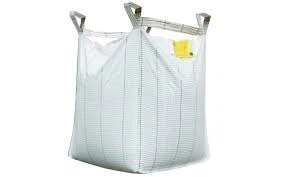
Hey there! As a supplier of Lined Paper - plastic Composite Packaging Bags, I often get asked about the elasticity of these bags. So, I thought I'd write this blog to share some insights on what the elasticity of lined paper - plastic composite packaging bags is all about.
What are Lined Paper - plastic Composite Packaging Bags?
First off, let me give you a quick intro. Lined Paper - plastic Composite Packaging Bags are a type of packaging that combines the best of both paper and plastic. The paper layer provides a natural and eco - friendly look, while the plastic lining adds strength, moisture resistance, and other useful properties. You can check out more about these bags on our website: Lined Paper - plastic Composite Packaging Bag.
Understanding Elasticity
Elasticity, in the context of packaging bags, refers to the ability of the bag to stretch and then return to its original shape. It's an important property because it affects how the bag performs during filling, handling, and storage.
Factors Affecting Elasticity
There are several factors that influence the elasticity of lined paper - plastic composite packaging bags.
1. Material Composition
The type of paper and plastic used in the composite plays a huge role. Different papers have different fiber structures and strengths. For example, kraft paper is known for its high strength and durability. When combined with a plastic lining, say polyethylene, the overall elasticity of the bag is affected. Polyethylene has good flexibility and can stretch to a certain extent. The ratio of paper to plastic also matters. If there's more plastic in the composite, the bag is likely to be more elastic.
2. Manufacturing Process
How the bag is made can also impact its elasticity. During the lamination process, where the paper and plastic are bonded together, the temperature, pressure, and speed can all make a difference. If the lamination is done at too high a temperature, it might damage the paper fibers or change the properties of the plastic, reducing the bag's elasticity.
3. Bag Design
The design of the bag, such as its shape and size, can affect elasticity. For instance, a Paper - plastic Composite Square Bottom Flat Bag has a different stress distribution compared to a Paper - plastic Composite Flat Valve Bag. The square bottom flat bag might be more likely to stretch evenly in certain areas, while the flat valve bag has a different structure that could influence how it responds to stretching forces.
Importance of Elasticity in Packaging
The elasticity of lined paper - plastic composite packaging bags has several practical implications.


During Filling
When filling the bags with products, elasticity allows the bag to expand to accommodate the contents. For example, if you're filling the bag with granular materials like grains or powders, the bag needs to stretch a bit to hold the product without bursting. A bag with good elasticity can handle the pressure of filling better and reduce the risk of leaks or tears.
Handling and Transportation
During handling and transportation, the bags are subjected to various forces. Elasticity helps the bag withstand these forces. It can absorb shocks and vibrations without getting damaged. For instance, when the bags are stacked on pallets or moved around in a warehouse, they might get pushed or pulled. A bag with proper elasticity can stretch and then return to its original shape, ensuring that the product inside remains safe.
Storage
In storage, elasticity is also important. Bags might be stored for long periods under different conditions. Changes in temperature and humidity can cause the bag to expand or contract. An elastic bag can adapt to these changes without losing its integrity.
Measuring Elasticity
There are a few ways to measure the elasticity of lined paper - plastic composite packaging bags.
Tensile Testing
Tensile testing is a common method. A sample of the bag is cut into a specific shape and size, and then it's pulled at a constant speed until it breaks. The machine records the force applied and the amount of stretch. From this data, we can calculate the elastic modulus, which is a measure of how stiff or elastic the material is.
Elongation at Break
Another important metric is the elongation at break. This is the percentage increase in length of the bag sample just before it breaks. A higher elongation at break means the bag can stretch more before failing.
Our Approach as a Supplier
As a supplier of lined paper - plastic composite packaging bags, we pay close attention to the elasticity of our products. We use high - quality materials and advanced manufacturing processes to ensure that our bags have the right level of elasticity. We conduct regular quality checks using the methods mentioned above to make sure that our bags meet the standards.
We understand that different customers have different needs. Some might require bags with high elasticity for products that need a lot of space during filling, while others might need bags with more stiffness for better stacking. That's why we offer a variety of bag designs and can customize the material composition to meet your specific requirements.
Conclusion
The elasticity of lined paper - plastic composite packaging bags is a complex but important property. It's influenced by material composition, manufacturing process, and bag design. Understanding elasticity is crucial for ensuring that the bags perform well during filling, handling, transportation, and storage.
If you're in the market for lined paper - plastic composite packaging bags and want to learn more about how our products can meet your needs, feel free to reach out to us. We're always happy to have a chat and discuss your requirements. Whether you need Paper - plastic Composite Square Bottom Flat Bags or Paper - plastic Composite Flat Valve Bags, we've got you covered. Let's have a conversation and see how we can work together to find the perfect packaging solution for your products.
References
- Smith, J. (2020). Packaging Materials: Properties and Performance. New York: Packaging Press.
- Johnson, R. (2019). The Science of Laminated Packaging. London: Packaging Science Publishers.