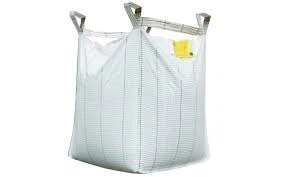
As a supplier of Bottom Lift Bulk Bags, I've witnessed firsthand how environmental factors can significantly impact the performance of these versatile packaging solutions. In this blog post, I'll delve into the various environmental elements that can affect the functionality and longevity of Bottom Lift Bulk Bags, and how understanding these factors can help you make informed decisions when it comes to your bulk handling needs.
Temperature
Temperature is one of the most critical environmental factors that can affect the performance of Bottom Lift Bulk Bags. Extreme heat or cold can cause the bag's fabric to become brittle, cracking and tearing over time. When exposed to high temperatures, the bag's material may lose its strength and flexibility, making it more susceptible to damage during handling and transportation.
On the other hand, low temperatures can make the bag's fabric stiff and less pliable, potentially leading to reduced durability. For instance, if you're using Bottom Lift Bulk Bags in a freezer environment, the cold can cause the bag's fabric to become rigid, increasing the risk of rupture when the bag is lifted or moved.
To mitigate the effects of temperature, it's essential to choose a Bottom Lift Bulk Bag made from a material that can withstand the specific temperature range of your application. For high-temperature environments, consider bags made from heat-resistant materials such as polypropylene with special coatings. For cold environments, look for bags with enhanced flexibility at low temperatures.
Humidity
Humidity is another environmental factor that can have a significant impact on the performance of Bottom Lift Bulk Bags. High humidity levels can cause the bag's fabric to absorb moisture, which can lead to several issues. Moisture absorption can weaken the bag's structure, making it more prone to tearing and leakage. Additionally, it can create a breeding ground for mold and mildew, which can contaminate the contents of the bag.
In contrast, low humidity can cause the bag's fabric to dry out, becoming brittle and prone to static electricity. Static electricity can be a significant problem, especially when handling flammable or combustible materials, as it can potentially cause sparks and lead to fires or explosions.
To combat the effects of humidity, it's important to select Bottom Lift Bulk Bags with appropriate moisture resistance. Some bags are designed with moisture barriers or coatings to prevent water absorption. Additionally, using anti-static additives can help reduce the risk of static electricity in dry environments.
Chemical Exposure
Depending on the nature of the materials being transported or stored, Bottom Lift Bulk Bags may be exposed to various chemicals. Chemical exposure can cause the bag's fabric to degrade, resulting in reduced strength and integrity. For example, acids, alkalis, and solvents can react with the bag's material, causing it to weaken or dissolve.
When selecting a Bottom Lift Bulk Bag for chemical applications, it's crucial to choose a bag that is chemically resistant to the specific substances it will come into contact with. Some bags are made from special polymers or have coatings that provide excellent chemical resistance. It's also important to follow proper handling and storage procedures to minimize the risk of chemical exposure.
UV Radiation
Ultraviolet (UV) radiation from the sun can have a detrimental effect on the performance of Bottom Lift Bulk Bags. Prolonged exposure to UV rays can cause the bag's fabric to fade, embrittle, and lose its strength. This is particularly problematic for bags that are stored outdoors or used in sunny environments.
To protect Bottom Lift Bulk Bags from UV radiation, consider using bags with UV stabilizers. These stabilizers help to absorb and dissipate UV rays, reducing the damage to the bag's fabric. Additionally, storing the bags in a shaded area or covering them with a tarp when not in use can help extend their lifespan.
Physical Abrasion
During handling and transportation, Bottom Lift Bulk Bags are often subjected to physical abrasion. Rough surfaces, sharp edges, and friction can cause the bag's fabric to wear down, leading to holes and tears. This can compromise the integrity of the bag and cause the contents to leak.


To minimize the effects of physical abrasion, it's important to choose a Bottom Lift Bulk Bag with a durable fabric and reinforced seams. Some bags are designed with additional layers or patches in high-wear areas to provide extra protection. Additionally, using proper handling equipment and techniques can help reduce the risk of abrasion.
Impact Resistance
In addition to physical abrasion, Bottom Lift Bulk Bags may also be exposed to impacts during handling and transportation. A sudden drop or collision can cause the bag to rupture, resulting in the loss of the contents. Therefore, it's important to choose a bag with good impact resistance.
Some Bottom Lift Bulk Bags are designed with features such as impact-resistant fibers or shock-absorbing materials to help protect the contents from damage. When selecting a bag, consider the potential impact forces it may be subjected to and choose a bag that can withstand those forces.
Conclusion
As a Bottom Lift Bulk Bag supplier, I understand the importance of considering environmental factors when choosing the right bag for your application. By understanding how temperature, humidity, chemical exposure, UV radiation, physical abrasion, and impact resistance can affect the performance of Bottom Lift Bulk Bags, you can make informed decisions that will ensure the safe and efficient handling of your bulk materials.
If you're in the market for high-quality Bottom Lift Bulk Bags that are designed to withstand the rigors of your specific environment, I encourage you to explore our range of Bottom Lift Bulk Bags. We also offer Top Lift Bulk Bags for different handling requirements. Whether you need a standard bag or a custom solution, our team of experts is here to help you find the perfect product for your needs. Contact us today to discuss your bulk bag requirements and start a partnership that will help you streamline your bulk handling processes.
References
- Smith, J. (20XX). Environmental Effects on Packaging Materials. Journal of Packaging Science and Technology.
- Johnson, M. (20XX). Bulk Bag Handling and Environmental Considerations. Proceedings of the International Bulk Solids Handling Conference.
- Davis, R. (20XX). Impact of Temperature and Humidity on Flexible Packaging. Packaging Technology Review.