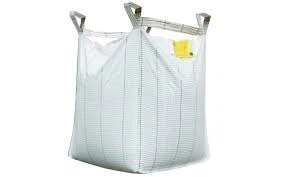
Hey there! As a supplier of bulk bags for process handling, I often get asked about the chemical resistance of these bags. It's a super important topic, especially when you're dealing with all sorts of chemicals in industrial processes. So, let's dive right in and explore what chemical resistance means for bulk bags.
First off, what exactly is chemical resistance? Well, it's the ability of a material to withstand the effects of chemicals without undergoing significant degradation or damage. When it comes to bulk bags, this means that the bag can hold and transport chemicals without leaking, breaking down, or reacting with the contents. This is crucial for safety, environmental protection, and ensuring that the chemicals remain in their intended state.
There are several factors that can affect the chemical resistance of bulk bags. The type of polymer used to make the bag is a big one. Most bulk bags are made from polypropylene, which is a pretty versatile and chemically resistant material. Polypropylene has good resistance to many acids, alkalis, and organic solvents. However, its resistance can vary depending on the concentration and temperature of the chemicals.
For example, at low concentrations and normal temperatures, polypropylene can handle a wide range of chemicals. But if you're dealing with highly concentrated acids or bases, or if the temperature is high, the bag might not hold up as well. That's why it's important to know the specific chemical properties of the substances you're going to put in the bag.
Another factor is the thickness of the bag. Thicker bags generally have better chemical resistance because they provide more of a barrier between the chemical and the outside environment. But it's not just about the thickness; the quality of the manufacturing process also matters. A well - made bag with proper seams and construction is less likely to fail when exposed to chemicals.
Now, let's talk about some common chemicals and how bulk bags handle them.
Acids: Many bulk bags made of polypropylene can resist weak acids like acetic acid or citric acid. These are commonly used in food and beverage industries. But for strong acids like sulfuric acid or hydrochloric acid, you need to be more careful. Specialized bulk bags with additional chemical - resistant coatings might be required. These coatings can provide an extra layer of protection and prevent the acid from corroding the bag.
Alkalis: Similar to acids, polypropylene has a decent resistance to weak alkalis. But strong alkalis such as sodium hydroxide can be a challenge. At high concentrations and temperatures, they can break down the polypropylene over time. In such cases, you might need to look for bags that are specifically designed to handle these types of chemicals.
Organic solvents: Polypropylene's resistance to organic solvents varies. Some solvents like ethanol or acetone can be stored in bulk bags made of polypropylene without too many issues. However, more aggressive solvents like benzene or toluene can cause swelling and degradation of the bag. If you're dealing with these types of solvents, it's essential to choose a bag with high chemical resistance.
When it comes to our products, we offer a variety of bulk bags for different chemical handling needs. We have Bottom Lift Bulk Bag which are great for situations where you need to lift the bag from the bottom. They are designed with strong materials and good chemical resistance to handle a range of chemicals. And our Top Lift Bulk Bag are perfect for easy top - loading and lifting. They also come with options for enhanced chemical resistance.
To test the chemical resistance of our bulk bags, we conduct a series of tests. We expose samples of the bags to different chemicals under controlled conditions. We measure factors like weight loss, changes in mechanical properties, and visual inspection for any signs of damage. This helps us ensure that our bags meet the required standards for chemical handling.
It's also important to note that proper storage and handling of bulk bags can significantly impact their chemical resistance. Bags should be stored in a cool, dry place away from direct sunlight and sources of heat. When filling and emptying the bags, make sure to follow the recommended procedures to avoid any unnecessary stress on the bag.
If you're in the market for bulk bags for process handling and have specific chemical requirements, don't hesitate to reach out. We have a team of experts who can help you choose the right bag for your needs. Whether you're dealing with mild chemicals or highly corrosive substances, we've got you covered.
In conclusion, the chemical resistance of bulk bags is a complex but crucial aspect of their performance. By understanding the factors that affect chemical resistance and choosing the right bag for your specific chemicals, you can ensure safe and efficient handling of your materials. So, if you're looking for reliable bulk bags with good chemical resistance, we're here to assist you. Contact us today to start a discussion about your bulk bag needs, and let's find the perfect solution together.


References
- Chemical Resistance of Polymers: A Handbook. This book provides in - depth information about how different polymers react to various chemicals.
- Industrial Chemical Handling Guidelines. These guidelines offer practical advice on handling chemicals in bulk and the importance of using appropriate containers.