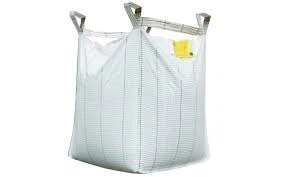
Hey there! As a supplier of Paper - plastic Composite Flat Open Bags, I often get asked about the abrasion resistance of these bags. So, I thought I'd write this blog to share some insights on this topic.
What is abrasion resistance?
Let's start with the basics. Abrasion resistance is all about how well a material can stand up to wear and tear caused by rubbing or scraping. For a Paper - plastic Composite Flat Open Bag, this means how well it can handle being rubbed against other surfaces during transportation, storage, or handling without getting damaged.


When we talk about abrasion, we're looking at different scenarios. For example, during the shipping process, these bags might be stacked on top of each other. The bottom bags have to bear the weight of the ones above, and there's friction between the bags. Also, when they're moved around using conveyor belts, forklifts, or other equipment, there's contact with rough surfaces that can cause abrasion.
How is the abrasion resistance of Paper - plastic Composite Flat Open Bags achieved?
The key lies in the materials and the manufacturing process. Paper - plastic composite bags are made by combining paper and plastic layers. The paper provides a natural, eco - friendly look and a certain degree of stiffness, while the plastic layer acts as a protective barrier and enhances the bag's durability.
The plastic layer used in these bags is usually a high - density polyethylene (HDPE) or a similar polymer. These plastics have good abrasion - resistant properties. They can withstand the pressure and friction without easily getting scratched or torn. During the manufacturing process, the paper and plastic are laminated together using a special adhesive. This ensures that the two layers are firmly bonded, so they work together to resist abrasion.
Another factor that affects abrasion resistance is the quality of the paper. Strong, high - grade kraft paper is often used. Kraft paper is known for its strength and toughness, which contributes to the overall durability of the bag. When the high - quality paper is combined with the plastic layer, it forms a robust structure that can endure significant abrasion.
Why is abrasion resistance important for Paper - plastic Composite Flat Open Bags?
Well, there are several reasons. First of all, if the bags don't have good abrasion resistance, they're more likely to get damaged during transit. A damaged bag can lead to product leakage, which is a big problem, especially when the bags are used to pack powders, granules, or other loose materials. For example, if you're packing cement or fertilizer in these bags, a torn bag can result in a mess and loss of product.
Secondly, good abrasion resistance means a longer lifespan for the bags. This is cost - effective for both the suppliers and the end - users. Suppliers can offer more reliable products, and customers can reuse the bags if possible, reducing the need for frequent replacements.
In addition, in some industries, the appearance of the packaging matters. Abrasion - resistant bags are less likely to get scuffed or marked, which helps maintain a professional and presentable look for the products.
Comparing with other types of bags
Let's take a look at how Paper - plastic Composite Flat Open Bags stack up against other similar bags in terms of abrasion resistance.
Paper - plastic Composite Tear - open Bag: These tear - open bags are designed for easy opening. While they also have a paper - plastic composite structure, their tear - open feature might make them slightly less abrasion - resistant compared to flat open bags in some cases. The area where the tear - open mechanism is located could be a weak point when it comes to withstanding abrasion.
Paper - plastic Composite Flat Valve Bag: Flat valve bags are used for filling products through a valve. They usually have a similar paper - plastic composite construction. However, the valve part might add some complexity to the bag's structure. If not properly designed and reinforced, the valve area could be more prone to abrasion damage compared to the simple flat open design.
On the other hand, Paper - plastic Composite Flat Open Bag has a straightforward design with no additional complex features. This simplicity often translates into better overall abrasion resistance as there are fewer weak points.
Testing the abrasion resistance
We, as a supplier, take the abrasion resistance of our Paper - plastic Composite Flat Open Bags very seriously. We conduct a series of tests to ensure that our bags meet the required standards.
One common test is the Taber abrasion test. In this test, a sample of the bag material is mounted on a rotating platform, and abrasive wheels are applied to the surface with a specific pressure. The number of rotations until a certain level of damage occurs is recorded. This gives us a quantitative measure of the abrasion resistance of the material.
We also do real - world simulation tests. We stack the bags in a way that mimics the actual storage conditions, and then move them around using different handling equipment. By observing the bags after these tests, we can identify any potential weak points and make improvements to the design or the manufacturing process if needed.
Conclusion and invitation
In conclusion, the abrasion resistance of Paper - plastic Composite Flat Open Bags is a crucial factor that affects their performance, durability, and cost - effectiveness. Our bags are designed and manufactured to have excellent abrasion - resistant properties, thanks to the high - quality materials and strict production processes.
If you're in the market for reliable and durable packaging solutions, our Paper - plastic Composite Flat Open Bags could be a great choice for you. Whether you're packing food products, chemicals, or construction materials, our bags can provide the protection your products need.
If you're interested in learning more about our Paper - plastic Composite Flat Open Bags or want to discuss a potential purchase, don't hesitate to reach out. We're always happy to have a chat and find the best packaging solution for your specific needs.
References
- ASTM International. (20XX). Standard test methods for abrasion resistance of textile fabrics (rotary platform, double - head method).
- Smith, J. (20XX). Packaging materials and their performance in different environments. Journal of Packaging Science.