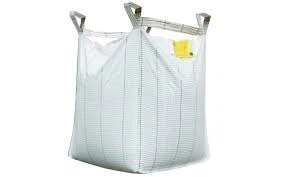
As a supplier of Lined Paper - plastic Composite Packaging Bags, I understand the importance of proper transportation requirements for our products. These packaging bags are widely used in various industries due to their excellent performance in protecting contents, such as food, chemicals, and building materials. In this blog, I will discuss the key transportation requirements for lined paper - plastic composite packaging bags.
1. Packaging and Protection
Before transportation, it is crucial to ensure that the lined paper - plastic composite packaging bags are properly packaged and protected. First, we use high - quality outer packaging materials, such as corrugated cardboard boxes or wooden pallets, to prevent the bags from being damaged during handling and transit. The outer packaging should be strong enough to withstand normal impacts and pressures.
For example, when we pack Paper - plastic Composite M - fold Valve Bag, we stack them neatly in corrugated boxes. The boxes are designed to fit the size of the bags precisely, reducing the risk of movement inside the box. We also use cushioning materials, like foam or bubble wrap, to further protect the bags from scratches and dents.
Similarly, for Paper - plastic Composite Flat Open Bag and Paper - plastic Composite Flat Valve Bag, we take the same approach. The flat - shaped bags are prone to bending or creasing, so proper cushioning and secure packing are essential.
2. Handling and Loading
Proper handling and loading techniques are vital to maintain the integrity of the lined paper - plastic composite packaging bags. During the loading process, workers should be trained to handle the bags gently. Sharp tools or rough handling can easily puncture or tear the bags.
When loading the bags onto trucks or containers, we arrange them in an orderly manner. For large - scale shipments, we use palletizers to stack the pallets of bags evenly. This not only maximizes the use of space but also ensures stability during transportation. We also pay attention to the weight distribution. Uneven weight distribution can cause the pallets to tip over, leading to damage to the bags.
In addition, we label the outer packaging clearly with handling instructions, such as "Fragile", "Handle with Care", and "This Side Up". This helps the transportation staff to handle the goods correctly.
3. Environmental Conditions
The environmental conditions during transportation can have a significant impact on the quality of lined paper - plastic composite packaging bags. Temperature and humidity are two key factors.


High temperatures can cause the plastic layer in the composite bags to soften or deform. For example, if the bags are transported in a hot climate without proper ventilation, the plastic may stick together, making the bags difficult to use. On the other hand, extremely low temperatures can make the plastic brittle, increasing the risk of cracking.
We recommend that the transportation environment be maintained within a temperature range of 10°C - 30°C. For humidity, it should be kept below 70%. To achieve this, we may use climate - controlled transportation vehicles or containers, especially for long - distance or international shipments.
In some cases, we also add desiccants to the outer packaging to absorb excess moisture. This is particularly important when shipping to areas with high humidity.
4. Transportation Mode
The choice of transportation mode also affects the transportation requirements. We mainly use trucks, trains, and sea freight for shipping our lined paper - plastic composite packaging bags.
Truck Transportation
Truck transportation is suitable for short - distance and local deliveries. It offers flexibility in terms of delivery time and route. However, trucks are more exposed to road conditions. Bumps, potholes, and sudden stops can cause damage to the bags. Therefore, we ensure that the trucks are well - maintained and the drivers are experienced in handling fragile goods.
Train Transportation
Train transportation is a cost - effective option for long - distance domestic shipments. Trains generally provide a more stable environment compared to trucks. However, loading and unloading at train stations require careful planning. We need to ensure that the transfer process is smooth to avoid damage to the bags.
Sea Freight
Sea freight is commonly used for international shipments. Containers are the main means of transporting the bags by sea. When using sea freight, we need to consider the long - term exposure to the marine environment. Saltwater corrosion and high humidity are potential risks. We use high - quality containers that are sealed properly to protect the bags from the elements. We also monitor the container's internal environment during the journey.
5. Insurance
To minimize the financial losses caused by potential damage during transportation, we recommend purchasing transportation insurance. Insurance can cover the cost of damaged or lost goods. We work with reliable insurance companies to provide comprehensive insurance options for our customers.
When choosing an insurance policy, we consider factors such as the value of the shipment, the transportation route, and the type of goods. This ensures that our customers are well - protected during the transportation process.
6. Documentation and Tracking
Accurate documentation is essential for the transportation of lined paper - plastic composite packaging bags. We provide detailed shipping documents, including the bill of lading, packing list, and customs declaration. These documents help to ensure smooth customs clearance and traceability of the goods.
We also use tracking systems to monitor the location and status of the shipments. Customers can access the tracking information through our website or mobile app. This allows them to stay informed about the progress of their orders and plan their operations accordingly.
Conclusion
In conclusion, the transportation of lined paper - plastic composite packaging bags requires careful consideration of various factors, including packaging and protection, handling and loading, environmental conditions, transportation mode, insurance, and documentation. By following these transportation requirements, we can ensure that our customers receive high - quality products in good condition.
If you are interested in purchasing our lined paper - plastic composite packaging bags, please feel free to contact us for more information and to start the procurement negotiation process. We are committed to providing you with the best products and services.
References
- Packaging Technology Handbook, Third Edition.
- Transportation Logistics Management, Second Edition.