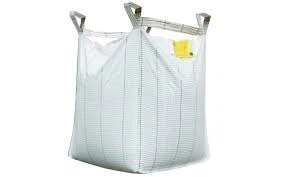
In the realm of industrial packaging, conductive bulk bags play a pivotal role in ensuring the safe and efficient handling of various materials. As a supplier of Conductive Bulk Bags, I have witnessed firsthand the importance of adhering to strict design standards to meet the diverse needs of our customers. In this blog post, I will delve into the key standards for conductive bulk bag design, exploring the critical factors that contribute to their performance and safety.


Electrical Conductivity
One of the primary functions of a conductive bulk bag is to dissipate static electricity, which can pose a significant risk in industries dealing with flammable or combustible materials. To achieve this, the bag must be designed with materials that have a low electrical resistance, allowing static charges to flow safely to the ground.
The most common method of achieving electrical conductivity in bulk bags is by incorporating conductive threads or fibers into the fabric. These conductive elements are typically made of carbon or metal and are woven or knitted into the base fabric at regular intervals. The density and arrangement of the conductive threads are crucial factors in determining the bag's overall conductivity.
According to industry standards, conductive bulk bags should have a surface resistivity of less than 1 x 10^9 ohms per square. This ensures that static charges are quickly and effectively dissipated, reducing the risk of electrostatic discharge (ESD) and potential ignition of flammable materials. Regular testing of the bag's conductivity is essential to ensure compliance with these standards and to maintain the safety of the packaging system.
Material Selection
The choice of materials for conductive bulk bags is critical to their performance and durability. In addition to the conductive elements, the base fabric must be strong, tear-resistant, and able to withstand the rigors of handling and transportation.
Polypropylene is the most commonly used material for bulk bags due to its excellent strength-to-weight ratio, chemical resistance, and low cost. However, not all polypropylene fabrics are suitable for conductive applications. Specialized conductive polypropylene fabrics are available that have been treated or modified to enhance their electrical conductivity.
In addition to the base fabric, other components of the bulk bag, such as the seams, closures, and lifting loops, must also be made of conductive materials or designed to prevent the accumulation of static charges. For example, conductive zippers or closures can be used to ensure that the bag remains electrically grounded during use.
Design and Construction
The design and construction of conductive bulk bags are also important factors in their performance and safety. The bag should be designed to minimize the risk of static charge generation and accumulation during filling, handling, and discharge operations.
One of the key design considerations is the shape and size of the bag. Bags with a rectangular or square shape are generally preferred over round bags, as they provide a more stable base and reduce the risk of tipping or spilling. The size of the bag should also be carefully selected to ensure that it can be easily filled and emptied without causing excessive stress on the fabric or conductive elements.
The construction of the bag should also be carefully considered to ensure that it is strong and durable. Seams should be reinforced with conductive threads or tapes to prevent the formation of weak points that could lead to tearing or leakage. Lifting loops should be securely attached to the bag and designed to withstand the weight of the contents during lifting and transportation.
Safety Features
In addition to electrical conductivity, conductive bulk bags may also be equipped with other safety features to enhance their performance and protect the contents. These features may include anti-static liners, fire-resistant coatings, or UV stabilizers.
Anti-static liners can be used to further reduce the risk of static charge generation and accumulation inside the bag. These liners are typically made of conductive materials and are designed to provide a smooth, non-stick surface that prevents the build-up of dust and debris.
Fire-resistant coatings can be applied to the exterior of the bag to protect it from ignition in the event of a fire. These coatings are typically made of flame-retardant materials and can significantly reduce the spread of fire and the risk of damage to the contents.
UV stabilizers can be added to the base fabric to protect it from the harmful effects of sunlight and other environmental factors. This helps to extend the lifespan of the bag and ensure that it remains in good condition during storage and transportation.
Regulatory Compliance
Conductive bulk bags must comply with a variety of national and international standards and regulations to ensure their safety and performance. These standards may include requirements for electrical conductivity, material selection, design and construction, and safety features.
In the United States, conductive bulk bags are subject to regulations under the Occupational Safety and Health Administration (OSHA) and the National Fire Protection Association (NFPA). These regulations specify the requirements for the design, construction, and use of conductive bulk bags in hazardous environments.
In Europe, conductive bulk bags must comply with the requirements of the ATEX directive, which regulates the use of equipment and protective systems in potentially explosive atmospheres. The directive specifies the requirements for electrical conductivity, material selection, design and construction, and safety features of conductive bulk bags.
Conclusion
In conclusion, the design of conductive bulk bags is a complex process that requires careful consideration of a variety of factors, including electrical conductivity, material selection, design and construction, safety features, and regulatory compliance. As a supplier of Conductive Bulk Bags, we are committed to providing our customers with high-quality products that meet the highest standards of safety and performance.
If you are interested in learning more about our Conductive Bulk Bags or would like to discuss your specific packaging needs, please visit our website at Conductive Bulk Bag. We also offer a range of other functional bulk bags, including Anti-static Bulk Bag and Food Grade Bulk Bag. Our team of experts is available to answer any questions you may have and to help you select the right packaging solution for your application.
References
- American Society for Testing and Materials (ASTM). Standard Test Method for Surface Resistance of Conductive and Static Dissipative Planar Materials. ASTM D257-14.
- National Fire Protection Association (NFPA). Standard for the Handling of Class I Flammable Liquids. NFPA 30-2018.
- Occupational Safety and Health Administration (OSHA). Hazardous Waste Operations and Emergency Response. 29 CFR 1910.120.
- European Union. ATEX Directive 2014/34/EU. Equipment and protective systems intended for use in potentially explosive atmospheres.