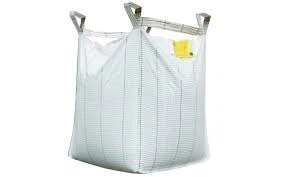
As a supplier of Top Lift Bulk Bags, I often encounter inquiries about the suitability of our products in various environments. One question that frequently arises is whether Top Lift Bulk Bags can be used in low - temperature environments. In this blog, I will delve into this topic, exploring the factors that affect the performance of Top Lift Bulk Bags in cold conditions and providing insights based on scientific knowledge and practical experience.
Understanding Top Lift Bulk Bags
Before discussing their performance in low - temperature environments, let's first understand what Top Lift Bulk Bags are. Top Lift Bulk Bags, as the name suggests, are designed to be lifted from the top. They are large, flexible containers used for storing and transporting a wide range of dry, flowable materials such as grains, chemicals, and minerals. You can find more information about Top Lift Bulk Bags on our website.
These bags are typically made from woven polypropylene (PP), a synthetic thermoplastic polymer. PP is chosen for its strength, durability, and cost - effectiveness. The bags are constructed with lifting loops at the top, which allow them to be easily hoisted by forklifts or cranes.
Factors Affecting Performance in Low - Temperature Environments
Several factors need to be considered when evaluating the use of Top Lift Bulk Bags in low - temperature environments.
Material Properties of Woven Polypropylene
Woven polypropylene, the primary material used in Top Lift Bulk Bags, has certain temperature - related characteristics. At low temperatures, polypropylene becomes more brittle. This is because the polymer chains in the material have less mobility, and the intermolecular forces become more rigid. As a result, the bag may be more prone to cracking or tearing when subjected to stress.
The degree of brittleness depends on the specific formulation of the polypropylene and the temperature. Generally, as the temperature drops below 0°C (32°F), the risk of brittleness increases. However, some specially formulated polypropylenes can maintain their flexibility at lower temperatures.
Impact of Cold on Seams and Stitching
In addition to the base material, the seams and stitching of the Top Lift Bulk Bags can also be affected by low temperatures. The thread used for stitching is often made of a different material than the bag itself, and it may have different thermal properties. Cold temperatures can cause the thread to contract, potentially leading to loosening or breakage of the stitches. This can compromise the integrity of the bag and increase the risk of material leakage.
Handling and Loading in Cold Conditions
The way the bags are handled and loaded in low - temperature environments also plays a crucial role. In cold weather, the ground may be icy or slippery, which can make it more difficult to maneuver forklifts or other handling equipment. This increases the risk of accidental impacts on the bags, which can be more damaging due to the increased brittleness of the material.
Moreover, the process of filling the bags may be affected. Cold temperatures can cause the flow properties of the materials being loaded into the bags to change. For example, some powders may become more cohesive, making it harder to achieve a uniform fill.
Testing and Certification
To ensure the reliability of Top Lift Bulk Bags in low - temperature environments, it is essential to conduct appropriate testing. Many suppliers, including us, perform cold - temperature testing on their products. This involves subjecting the bags to a controlled low - temperature environment and then performing stress tests, such as lifting the bags with a specified load.
There are also industry standards and certifications related to the performance of bulk bags in different environments. These standards provide guidelines on the minimum requirements for bag strength, flexibility, and other properties at various temperatures. When purchasing Top Lift Bulk Bags for low - temperature use, it is advisable to look for products that meet relevant standards.
Mitigating Risks in Low - Temperature Environments
Despite the potential challenges, there are several ways to mitigate the risks associated with using Top Lift Bulk Bags in low - temperature environments.
Use of Specialized Materials
Some suppliers offer Top Lift Bulk Bags made from specially formulated polypropylenes that are more resistant to low - temperature brittleness. These materials are designed to maintain their flexibility and strength at lower temperatures, reducing the risk of cracking and tearing.
Reinforcement of Seams and Stitching
To address the issue of seam and stitch integrity, suppliers can use stronger threads and reinforce the seams during the manufacturing process. This can help to prevent stitch breakage and maintain the overall integrity of the bag.
Proper Handling and Storage
Proper handling and storage procedures are crucial in low - temperature environments. Operators should be trained to handle the bags carefully, avoiding sudden impacts or excessive stress. The bags should be stored in a dry, sheltered area to prevent them from being exposed to extreme cold and moisture.
Comparison with Bottom Lift Bulk Bags
Another option for bulk material handling is Bottom Lift Bulk Bags. While Top Lift Bulk Bags are lifted from the top, Bottom Lift Bulk Bags are designed to be lifted from the bottom. In low - temperature environments, the handling characteristics of Bottom Lift Bulk Bags may be different.
Bottom Lift Bulk Bags may be less affected by the brittleness of the top - lifting loops. Since the lifting mechanism is at the bottom, the stress distribution on the bag is different. However, they still face similar challenges related to the material properties of the bag itself and the seams.
Real - World Applications and Case Studies
In real - world applications, there are many examples of the use of Top Lift Bulk Bags in low - temperature environments. For instance, in the mining industry, where operations often take place in cold regions, bulk bags are used to transport minerals. By following proper procedures and using suitable bags, companies have been able to safely use Top Lift Bulk Bags in temperatures as low as - 20°C (- 4°F).


One case study involved a chemical company that needed to transport a powdered chemical in a cold climate. They worked with our team to select a Top Lift Bulk Bag made from a specialized low - temperature - resistant polypropylene. By using proper handling techniques and ensuring that the bags were stored in a heated area before use, they were able to avoid any issues with bag integrity during transportation.
Recommendations for Using Top Lift Bulk Bags in Low - Temperature Environments
Based on the above analysis, here are some recommendations for using Top Lift Bulk Bags in low - temperature environments:
- Choose the Right Bag: Select bags made from a polypropylene formulation that is suitable for low - temperature use. Look for products that have been tested and certified for cold - weather performance.
- Inspect the Bags Regularly: Before use, carefully inspect the bags for any signs of damage, such as cracks or loose stitches. Pay special attention to the seams and lifting loops.
- Train Handling Personnel: Ensure that all personnel involved in handling the bags are trained on the proper procedures for low - temperature environments. This includes safe operation of handling equipment and techniques for minimizing stress on the bags.
- Store the Bags Properly: Store the bags in a dry, sheltered area at a temperature above the critical brittleness point of the polypropylene. If possible, pre - warm the bags before use.
Conclusion
In conclusion, while Top Lift Bulk Bags can be used in low - temperature environments, it is essential to take appropriate precautions. The material properties of woven polypropylene, the impact on seams and stitching, and the handling and loading processes all need to be carefully considered. By choosing the right bag, conducting proper testing, and following recommended handling procedures, the risks associated with using these bags in cold conditions can be effectively managed.
If you are considering using Top Lift Bulk Bags in a low - temperature environment, we are here to help. Our team of experts can provide you with detailed information about our products and assist you in selecting the most suitable solution for your needs. Contact us to start a discussion about your bulk bag requirements and explore how we can support your operations.
References
- ASTM International. (20XX). Standard test methods for performance of flexible intermediate bulk containers (FIBCs).
- European Committee for Standardization. (20XX). EN XX:XXXX - Flexible intermediate bulk containers - Requirements for design, manufacture and testing.
- Polypropylene: Properties, Processing, and Applications. (20XX). A technical publication on the characteristics of polypropylene polymers.